
















So, you've heard the name, maybe seen a picture or two, and now you're wondering what the deal is with a prince albert piercing. It's easily one of the most famous male genital piercings out there, known for its bold look and the unique feelings it can bring. Put simply, the jewelry enters through the opening of the urethra and comes out on the underside of the head of the penis.
So, What Is a Prince Albert Piercing?
The Prince Albert (or PA, as it's often called) is a big step into a world of personal expression and new sensations. It's a statement piece, for sure, with a pretty wild history and a ton of dedicated fans. Before we get into the piercing process and how to care for it, let's break down exactly what it is and where it goes.
The name alone sounds pretty regal, right? While there are some fun urban legends linking it to Queen Victoria's husband, the PA as we know it today is a much more modern invention. It really took off in the early 1970s in West Hollywood, thanks to piercing pioneers like Jim Ward and Richard Simonton (also known as Doug Malloy). They were instrumental in bringing the PA into gay subcultures, and by the end of the decade, it had started hitting the mainstream. You can read up on its fascinating modern history and the people behind it on Wikipedia.
A Prince Albert isn't just a piercing; it's a statement. Its specific path through the urethra is visually striking and can offer a whole new world of sensation.
Why is the PA so popular, then? It really comes down to a few things:
- The Look: It’s a powerful, unmistakable look that you can customize with all sorts of jewelry once it's healed. It's a great way to make your body your own.
- The Feeling: A lot of guys with a PA report more stimulation for both themselves and their partners. The placement and movement of the jewelry can really change things up.
- The Healing: You might be surprised to learn that, compared to something like a cartilage piercing, the PA can heal pretty fast. This is all thanks to the great blood flow in that area. We'll get more into that later!
Getting a handle on these basics is the first step. A PA is more than just a piece of metal—it’s a personal choice that mixes body art with a very physical experience. Now, let's talk about what actually happens when you go to get one.
The Piercing Procedure From Start to Finish
Knowing exactly what’s going to happen is the best way to calm any pre-piercing nerves. So, let's walk through the entire Prince Albert piercing process together, from the second you step into the studio to that first look at your new jewelry. It's surprisingly fast and incredibly professional.
Your journey kicks off with a consultation. Any reputable piercer will have a private, friendly chat with you to make sure your anatomy is a good fit for a prince albert piercing and to answer any last-minute questions you have. These folks are pros, so don't be shy about asking anything!
For a deeper look into what that first visit is like, you can check out our guide on how to prepare for your first-time piercing.
Prepping for the Piercing
Once you give the green light, your piercer will take you to a sterile room. They'll have you lie down to get comfortable and will then meticulously clean and sterilize the entire area. This is a non-negotiable step to keep everything safe and prevent infection.
Next up: the marking. Your piercer will carefully mark the entry and exit points for the needle. This is all about precision, ensuring the piercing is perfectly straight and placed correctly for both looks and comfort. They’ll show you the marks for your final thumbs-up before they move on.
The Piercing Itself
Here's the part everyone gets a little anxious about, but honestly, it’s over in a blink. Your piercer will use a sterile, hollow needle and what’s called a receiving tube. This tube goes inside the urethra to guide the needle, making sure it passes through cleanly and swiftly while protecting the surrounding tissue.
You’ll be told to take a deep breath in and then exhale slowly. As you breathe out, the piercer will quickly push the needle through the marked spots. The feeling is usually described as a very brief, intense pinch. Before you can even really process it, the needle is out, and your initial jewelry—typically a captive bead ring or a curved barbell—is in.
This handy diagram breaks down the path of the piercing.

As you can see, the piercing travels from the urethral opening to the underside of the glans. It's a quick and direct path.
The entire piercing act, from the needle going in to your new jewelry being secured, often takes less than a minute. The prep and cleaning take way longer, which really shows how much the focus is on safety and getting it just right.
After one last clean-up, your piercer will run you through all the detailed aftercare instructions. You’ll walk out of the studio with your brand-new piercing, all set to begin the healing journey.
Navigating Pain, Healing, and Aftercare
Alright, let's talk about the two biggest questions on everyone's mind: "How much is this going to hurt?" and "How long until I'm back to normal?" Honestly, everyone's pain tolerance is different, but the consensus is that the piercing itself is a very quick, sharp pinch. It's over in seconds, and almost everyone says the anticipation was way worse than the actual event.
The good news? Because this area has fantastic blood flow, a prince albert piercing actually heals much faster than many other body piercings, like cartilage or even navels. While you're looking at a full healing window of about 4 to 8 weeks, most guys find it feels pretty comfortable long before that. The two things that will make or break your healing experience are your piercer's skill and how seriously you take your aftercare.

Your Aftercare Game Plan
Getting your aftercare routine down is absolutely non-negotiable if you want a healthy piercing without any drama. Your piercer is going to give you specific instructions, and you need to follow them to the letter. Think of these first few weeks as the critical phase.
First up: keeping it clean. Plan on doing saline soaks or sprays twice a day. A sterile saline solution is your absolute best friend here; it cleans the area gently without irritating the super-sensitive new tissue. You can spray it on directly or soak a clean piece of gauze and hold it against the piercing for a few minutes. Fun fact: many people find that because urine is sterile, it actually helps keep the piercing clean from the inside out every time you go.
Also, don't be alarmed if you see a little bit of bleeding for the first few days. This is totally normal and just part of the initial healing process! An easy trick is to wear a panty liner in your underwear to manage it and keep your clothes clean.
Pro Tip: Your body is doing all the hard work, so give it some help! Drink tons of water, get plenty of sleep, and eat well. A healthy, rested body is a body that heals fast.
What to Avoid During Healing
Just as important as what you do is what you don't do. Your main job is to protect your fresh piercing from bacteria, irritation, and trauma.
Here's a quick rundown of what to stay away from:
- Harsh Chemicals: Absolutely no alcohol, hydrogen peroxide, or harsh antibacterial soaps. These are way too aggressive and will destroy the new, healthy cells your body is working hard to build.
- Public Water: For the entire healing period, you have to stay out of pools, hot tubs, lakes, and oceans. These are basically bacterial playgrounds that can lead to some seriously nasty infections.
- Rough Play: This means no sexual activity and avoiding high-impact sports. Your piercing needs time to settle in without getting bumped, pulled, or snagged. You have to wait until it's fully healed, period.
- Tight Clothing: Stick with loose, breathable underwear and pants. You don't want to put any extra pressure or friction on your new jewelry.
Following these rules will set you up for a smooth, easy healing process. For a deeper dive into aftercare products, you should check out our guide on H2Ocean products that can help your healing journey. A little dedication now means you'll have an awesome, perfectly healed piercing to show off for years to come.
Picking Out the Perfect Bling for Your PA
Alright, let's get to the fun part—choosing the jewelry for your new piercing! Your Prince Albert journey will kick off with some simple, body-safe jewelry, like a captive bead ring (CBR) or a curved barbell. But once you're all healed up, a whole universe of awesome styles opens up.
Think of this as your personal style guide for all things PA jewelry.

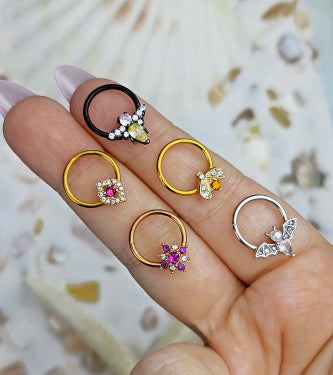
After that initial healing window, you can start exploring. Circular barbells are a classic for a reason; they give you a look similar to a CBR but with easy-to-manage screw-on balls. For a totally smooth, seamless vibe, you can't beat a segment ring. And if you're feeling adventurous, unique pieces like Prince's wands offer a completely different look and sensation.
Finding the Right Material
When it comes to body jewelry, especially for a sensitive spot like this, the material is everything. You need something that won’t irritate your piercing, is tough enough for daily life, and of course, looks amazing.
Here are the top contenders:
- Implant-Grade Titanium: This is the undisputed champion of body jewelry materials. It's completely hypoallergenic, super lightweight, and won't corrode, making it the perfect choice for both fresh and fully healed piercings. Bonus: it can be anodized into tons of cool colors!
- 316L Surgical Steel: A very common and budget-friendly choice, surgical steel is durable and has that classic polished look. Just be aware that it contains trace amounts of nickel, so if you have a known metal sensitivity, you’ll be better off with titanium or gold.
- 14k Gold: If you're going for a luxe, classic style, nothing beats 14k gold (whether it's yellow, white, or rose). Make sure any gold jewelry you buy is at least 14k and comes from a trusted source. Anything less can be too soft, potentially leading to scratches that can harbor bacteria.
Not sure which metal is for you? We break it all down in our deep dive on all you need to know about titanium body jewelry. Trust us, it’s a game-changer for keeping your piercings happy.
Before we dive into a comparison, let's look at the most common materials side-by-side. This should help you figure out what's best for your body, your style, and your wallet.
PA Jewelry Material Comparison
| Material | Best For | Pros | Cons |
|---|---|---|---|
| Implant-Grade Titanium | Everyone, especially new piercings & sensitive skin | 100% hypoallergenic, lightweight, durable, available in many colors | Can be more expensive than steel |
| 316L Surgical Steel | Healed piercings & those without nickel sensitivities | Affordable, durable, widely available | Contains nickel, which can cause irritation for some people |
| 14k+ Solid Gold | Healed piercings & a classic, high-end look | Luxurious appearance, hypoallergenic (if 14k+) | More expensive, can be softer than steel or titanium |
Ultimately, choosing the right material comes down to listening to your body. For a new piercing or if you have sensitive skin, titanium is always the safest bet. Once healed, you can explore other options like steel or gold based on your personal style and budget.
Gauges and Diameters Explained
Getting the sizing right is absolutely crucial, both for your comfort and for the long-term health of your piercing. PA jewelry has two main measurements you need to know: the gauge (how thick the jewelry is) and the diameter (how wide the ring is).
Your piercer will start you off with a specific gauge, usually 12g or 10g, to promote healthy healing. Once healed, many people enjoy stretching to larger gauges for a bolder look and different sensation.
After healing, PAs can rock anything from a slim 12g (2mm) to a seriously hefty 2g (6mm), with sizes between 8g-00g (3-10mm) being a popular range for a more customized feel. Whether you're into the sleek look of segment rings or the unique style of Prince's wands, Body Candy has tons of affordable and comfortable options to match your vibe.
Always, always talk to your professional piercer before you decide to stretch to a larger gauge. It's a process that should never be rushed.
Understanding the Benefits and Risks
Getting a Prince Albert piercing is a big decision, so it’s smart to weigh the incredible upsides against the real-world considerations. The PA is a legendary piercing for a reason, but just like any body mod, it comes with its own unique set of rules and lifestyle adjustments.
Being fully informed is the best way to make sure you and your new piercing are a perfect match for the long haul. Let’s break down what you can expect—both the good and the practical.
The Perks and Potential Pleasure
So, what’s all the hype about? It really comes down to a few major benefits that keep the PA so popular.
-
Enhanced Sensation for You: The jewelry rests right against some very sensitive nerve endings inside the urethra. For many wearers, this creates a totally unique and pleasurable feeling during everyday movement, not to mention during solo or partnered activities.
-
Added Pleasure for Partners: Your partner is in for a new experience, too! A PA ring or barbell can provide direct, targeted stimulation during vaginal, anal, or oral sex in a way that’s completely new and exciting for them.
-
A Major Confidence Boost: Let's be honest—a PA is a bold, personal statement. Taking that step and owning your body in such an intimate way can be a massive boost to your self-esteem and sexual confidence.
In fact, a 2012 survey of 445 men found the main drivers for getting a PA were the sexual thrill and aesthetic appeal. The best part? Participants reported zero major regrets. You can dive deeper into these findings and the fascinating history of genital piercings on body-piercing.com.
The Real-World Risks to Consider
Now for the practical side of things. Knowing about these potential challenges is the key to a happy life with your prince albert piercing.
The most well-known side effect is what many call the "sprinkler effect" when you urinate. Because the jewelry can split the stream, a lot of people with a PA find it much easier to just sit down to pee. It’s a small change in routine that most agree is a minor trade-off.
Another huge factor is safety with your partners. It's crucial to be mindful that the jewelry could potentially chip or damage a partner's teeth during oral sex. You'll also need to be extra careful when using condoms, as the jewelry can increase the risk of tears. Open and honest communication with your partner is everything here.
Finally, always remember that any open wound—and that includes a healing piercing—can increase the risk of transmitting STIs. Practicing safe sex is non-negotiable, especially during the entire healing period.
Your Prince Albert Piercing Questions Answered
Still have some questions? You're not the first, and you definitely won't be the last. When it comes to a piercing this personal, it's smart to get all the details straight. We get tons of questions from the Bodycandy community, so we’ve put together the answers to the most common ones to give you total peace of mind.
Let's get into the nitty-gritty of what everyone wants to know about a prince albert piercing.
Will a Prince Albert Piercing Affect Urination?
Yes, it will change things up a bit, but it’s totally manageable! The jewelry can definitely alter your urine stream, which leads to what guys in the know call the "sprinkler effect." It's one of the most talked-about parts of having a PA.
To keep things clean, a lot of people find that just sitting down to pee is the easiest way to go, especially if you're rocking larger or danglier jewelry. It might feel a little strange initially, but it becomes second nature fast. Others become pros at holding the ring to one side or gently plugging the piercing hole with a clean finger to direct the stream. It might sound like a bit of a dance, but you’ll figure out your own method in no time. Most agree it's a tiny trade-off for such an awesome piercing.
Can You Stretch a Prince Albert Piercing?
Absolutely! In fact, the PA is famous for being one of the easiest piercings to stretch. The tissue in this area is incredibly elastic and has fantastic blood flow, which makes the whole process much smoother than, say, stretching your earlobes or septum. It's common for guys to get pierced at a 12g or 10g and gradually size up for a bolder look or to change the sensation.
The number one rule here is patience. You have to wait until your piercing is 100% healed, which is usually at least 3-6 months. Once you're ready, only go up one size at a time (for example, from a 10g to an 8g).
Stretching Pro-Tip: Always use a quality, water-based lubricant to help the new, larger jewelry slide in. Listen to your body—if you feel any sharp pain, stop immediately. Trying to rush it can cause tearing, irritation, or other damage. Take it slow and enjoy the journey to your goal size.
How Does a PA Piercing Affect Sex?
This is a huge topic and, let's be real, it's one of the main reasons many people get a PA in the first place! The impact on your sex life is often a major positive, but it does take some communication and a few small adjustments.
For the person with the piercing, the jewelry can add a totally new layer of internal stimulation. The movement and weight of the ring or barbell creates a constant, subtle feeling that many find incredibly pleasurable. For a receiving partner, it can open up a whole new world of fun.
- Vaginal Sex: The jewelry can offer direct clitoral stimulation, which can be an exciting new element for your partner.
- Oral Sex: It introduces a new texture and sensation that many partners really enjoy. Just be mindful of teeth!
- Anal Sex: Much like vaginal sex, it can provide extra stimulation for the receiving partner.
The most important thing is to wait until you are 100% healed before you have any sexual contact. After that, open communication with your partner is everything. It ensures everyone is comfortable, safe, and having an amazing time.
How Do I Find a Reputable Piercer for a PA?
This is, without a doubt, the single most critical step in your entire Prince Albert journey. Your health and safety are on the line, so this is absolutely not the time to bargain hunt. Finding a skilled, professional piercer is non-negotiable.
Start by looking for a piercer with a solid, public portfolio of HEALED genital piercings. Don't just look at fresh photos; healed work is the true test of their skill. Checking for a membership with the Association of Professional Piercers (APP) is a great sign, as it shows a commitment to safety and continuing education.
Read online reviews, but also make the time to visit the studio in person. A great studio will be spotless. The piercer should be welcoming and happy to answer all your questions without making you feel rushed or pressured. Ask to see their sterilization equipment (they should have an autoclave and be proud to show you) and their jewelry selection. A true professional puts your safety and comfort above everything else.
Ready to find the perfect jewelry for your healing or fully healed piercing? Bodycandy has a massive collection of high-quality, body-safe rings and barbells to express your unique style. Shop our full collection today and find your new favorite look