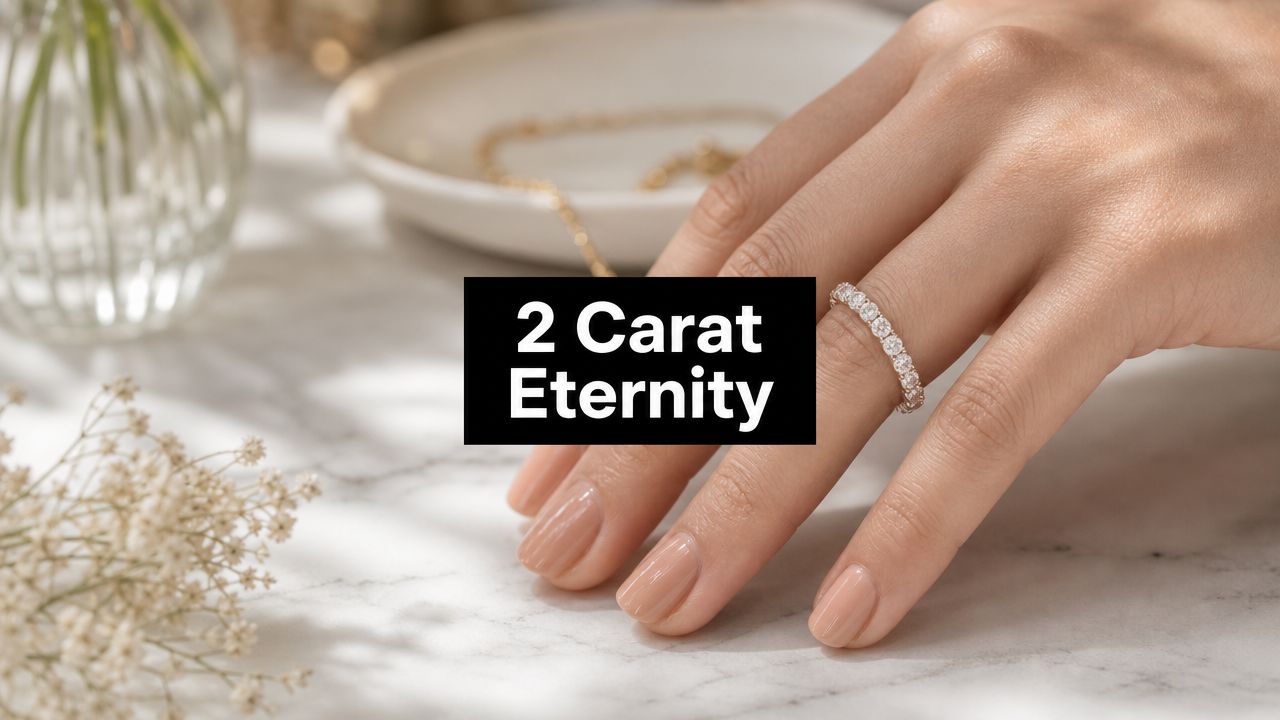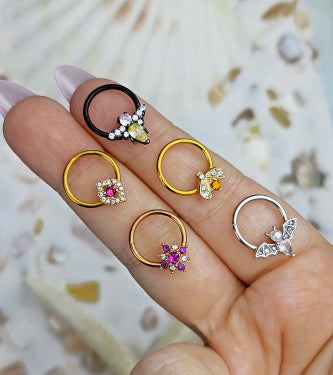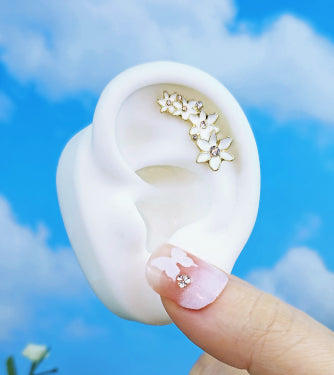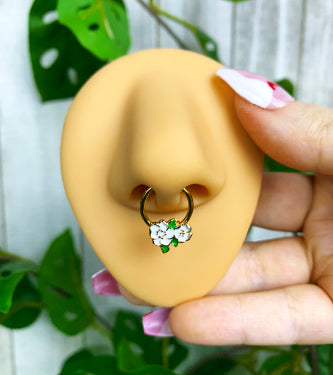















A 14k gold filled chain is a high-quality, affordable alternative to solid gold because it's made by bonding a thick layer of real 14k gold to a durable base metal core. In the U.S., gold-filled material has to contain at least 5% gold by weight, and many pieces are marked 14/20 GF, which means 14 karat gold makes up 1/20 of the total weight.
You're probably here because you found a cute gold chain for an ear stack, a belly look, or a little piercing accent, and then the product label hit you with chaos. Gold plated. Gold filled. Solid gold. Suddenly you're doing jewelry math when you just wanted something pretty that won't quit on you after a few wears.
That confusion is fair. Jewelry terms get tossed around like they all mean “gold-ish,” but they absolutely do not mean the same thing.
If you want the short version in normal-person language, 14k gold filled chain sits in the sweet spot. It gives you real gold on the outside, better wear than basic plating, and a lower price point than solid gold. For a lot of people, especially if you love body jewelry and wear pieces constantly, that combo makes a lot of sense.
The Gold Jewelry Puzzle Solved
You spot a gold chain that would look so good in a healed helix, a navel piercing, or layered with your everyday necklace. Then the label starts acting shady. One piece says plated. One says solid gold. One says gold filled. Same color family, very different reality once that jewelry is living on your body all day.
The label matters because body jewelry does not get treated gently. Chains rub against skin, hair, waistbands, pillowcases, and shower steam. If you wear jewelry in healed piercings for long stretches, the material affects how long it keeps its color, how it feels against sensitive skin, and whether the price makes sense for the amount of wear you will get.
A 14k gold filled chain sits in the middle ground that a lot of BodyCandy shoppers want. It uses real 14k gold on the outside and follows a legal gold-content standard in the U.S., which is why pieces marked 14/20 GF carry more meaning than vague labels like “gold tone” or “gold look.”
That middle ground is the whole puzzle piece people are usually missing.
For piercings and constant wear, gold filled often makes sense because it balances three things at once:
- Appearance that looks like real gold, not costume jewelry
- Wear resistance that holds up better than basic plating during daily friction
- Cost that stays far below solid gold in many cases
That combo is especially useful for:
- Healed ear piercings with chain details, cuffs, or layered styling
- Navel jewelry looks that deal with movement and fabric contact
- Necklaces and bracelets you keep on day after day
- Trend-driven pieces you want to enjoy often without paying solid-gold prices
If you want a stronger foundation before comparing materials, BodyCandy's crash course on buying and wearing gold jewelry explains the core gold terms in plain English.
What Exactly Is a 14k Gold Filled Chain
“Gold filled” is one of those jewelry terms that sounds made up until somebody explains it clearly.
A 14k gold filled chain is built with a real outer layer of 14-karat gold alloy that is mechanically bonded to a base metal core, usually brass. Under U.S. standards, gold filled material must contain a defined amount of gold by total weight, which is why the label means more than vague terms like “gold tone.” One source that explains that standard is Permanent Jewelry St. Pete on 14k gold-filled standards.

That construction matters a lot for body jewelry and constant wear.
With a chain that sits against healed piercings, the outside surface is what your skin meets day after day. In gold filled jewelry, that surface is real 14k gold alloy, not a whisper-thin flash of color. That is why gold filled usually holds its look longer than standard plated jewelry, especially in spots that get friction from hair, shirts, waistbands, or sleep.
What 14k means here
The 14k part refers to the gold alloy used on the exterior layer. Earlier, we covered that 14k gold means the alloy is 58.3% pure gold, with the rest made up of other metals that add strength and affect color.
So if you are wearing a 14k gold filled chain in a healed lobe piercing, as a navel dangle, or as everyday permanent-style jewelry, the visible surface is real 14k gold alloy. The center is not solid gold, but the part you see and touch is still genuine gold.
That is the detail people usually need.
Gold filled is real gold on the outside, built in layers instead of being solid all the way through.
What the stamp means
A stamp like GF or 14/20 GF tells you the piece is being sold as gold filled. That helps when you are checking product details online or inspecting the clasp on a chain you already own.
“14/20 GF” has a specific meaning. It indicates the outer gold layer is 14k gold, and that gold makes up 1/20 of the item's total weight. You do not need to memorize that for every purchase, but it is useful because it separates gold filled from plated jewelry, which does not meet the same standard.
If the term “filled” sounds flimsy, that reaction makes sense. In jewelry, it means layered construction, not hollow filler. For BodyCandy shoppers looking at pieces for healed piercings and long wear, that difference is the whole point. You get real 14k gold where it counts most, on the surface that shows and stays against your skin.
Gold Filled vs Gold Plated vs Solid Gold
This is the information many shoppers require before adding to cart. Not the poetry of jewelry materials. Just the key distinction between the three labels you keep seeing.
A good comparison visual makes this way easier to parse.

The fast comparison
| Feature | 14k Gold Filled | Gold Plated | 14k Solid Gold |
|---|---|---|---|
| Construction | Real gold mechanically bonded to a base core | Thin gold layer over base metal | Gold alloy throughout |
| Gold amount | At least 5% gold by weight | Much less gold than filled | 58.3% pure gold alloy material |
| Wear profile | Better for regular wear than plated | More likely to wear down faster | Long-term fine jewelry option |
| Price feel | Mid-range | Lower upfront cost | Highest upfront cost |
| Best for | Daily style, constant wear, budget-conscious gold look | Occasional fashion pieces | Investment-minded or heirloom-style jewelry |
One jewelry industry source says gold fill can contain up to 100 times more gold than gold-plated items (Halstead's article on gold-filled jewelry). That single fact explains a lot of the performance gap.
Why plated and filled get mixed up
From a distance, both can look gold. That's why people assume they're basically interchangeable. They aren't.
Gold plated jewelry usually wins the price battle at checkout. But if you wear your jewelry constantly, sleep in it, sweat in it, or let it rub against hair, shirts, towels, and skin all day, that super-thin surface can be the first thing to give up.
Gold filled is built for a different job. It's still not solid gold, but it has enough real gold in the outer layer to make “everyday jewelry” a more realistic use case.
Here's a quick explainer if you want a visual walkthrough too:
Where solid gold fits
Solid gold is the luxury lane. If you want gold alloy throughout the entire piece, that's what you're paying for. For some buyers, that's worth it for fine jewelry, heirloom pieces, or piercings they know they'll wear forever.
But solid gold isn't automatically the right answer for every chain. If your goal is a stylish, wearable chain for a healed piercing setup or a layering piece you'll use all the time, a 14k gold filled chain often makes more practical sense.
Gold plated is usually the budget pick. Solid gold is the premium pick. Gold filled is the smart middle for people who want a real-gold exterior without going all the way to fine-jewelry pricing.
The value question
The better question isn't “Which one is best?” It's “Which one matches how you wear jewelry?”
Choose based on your real habits:
- You rotate trends often. Plated may be enough.
- You wear the same chain constantly. Gold filled is often the more sensible buy.
- You want a forever piece. Solid gold may be the move.
That's the part people miss. Jewelry value isn't only about the material on paper. It's also about whether the piece can keep up with your actual life.
Is Gold Filled Jewelry Good for Piercings
Short answer, for healed piercings, it can be a really smart option.
Not every piercing situation is the same, though. The location matters. Friction matters. Your skin matters. And the difference between “freshly pierced” and “fully healed” matters a lot.

Why healed piercings usually do better
With gold filled jewelry, the outside surface is real gold alloy, so for many people the skin is interacting with gold rather than directly with the inner base metal during normal wear. That's a big reason gold filled gets attention from people who want a nicer feel than basic costume jewelry.
If you already know you do well with gold, a 14k gold filled chain can be a solid choice for styling healed areas like:
- Lobe piercings with chain connectors
- Helix or curated ear looks where a chain adds movement
- Nostril styling accents when the jewelry is designed for that use
- Belly styling pieces that sit near, rather than stress, the piercing
If you want more general background on why gold is popular in piercing jewelry, BodyCandy has a useful article on why people choose 14k gold for piercings.
Where wear gets tougher
A chain near an ear usually has an easier life than a chain near a navel. Your ears don't deal with waistbands, bending, sweat buildup, and constant fabric friction in the same way.
So if you're deciding whether gold filled is “good enough” for your piercing setup, think about the environment:
- Ear piercings usually treat chains kindly. Less rubbing, less pressure.
- Navel areas can be rougher because waistbands and movement create friction.
- Any spot with frequent snagging will challenge the jewelry regardless of material.
That doesn't make gold filled a bad option. It just means you should match the material to the level of abuse the piece is likely to take.
For healed piercings with moderate daily wear, gold filled often gives you the look people want without making every jewelry decision feel financially dramatic.
Sensitivity and common-sense caution
If you have very reactive skin, “gold filled” shouldn't be treated like a universal promise. It works well for many wearers, but skin chemistry varies. Some people can wear almost anything. Some people can tell within an hour if a piece isn't right for them.
A few practical rules help:
- Fresh piercings need extra care. Ask a qualified piercer about material choices for initial healing jewelry.
- Healed piercings give you more flexibility. That's where gold filled tends to make the most sense.
- Watch for friction zones. The more rubbing, the faster any finish can show wear.
- Choose the right style for the spot. A delicate chain looks amazing, but it still has to make sense for the body area.
If you love the gold look and want something more substantial than plated jewelry for day-to-day styling, gold filled is one of the most practical places to start.
How to Choose Your Perfect Gold Filled Chain
Once you've decided gold filled fits your life, the fun part starts. The right chain doesn't just match your outfit. It changes the whole vibe of a piercing setup.

Pick the style first
Chain style is the fastest way to decide whether your look feels delicate, polished, bold, or a little extra in the best way.
Some common style directions:
- Cable chain works if you want something classic and easy to layer. It's the white tee of chains.
- Rope chain gives more texture and sparkle. Good when you want the chain itself to stand out.
- Figaro chain has more pattern and attitude. It feels a little more styled, a little less minimal.
- Fine connector chain suits curated ears and jewelry pairings where the chain is there to link pieces, not steal the whole show.
Then think about thickness
A finer chain usually reads softer and more subtle. A thicker chain feels more intentional and can handle being the focal point.
At this point, your piercing or placement matters most:
- For ear curation, delicate chains usually look cleaner and sit more comfortably.
- For necklaces, you can go finer for layering or chunkier for a solo chain moment.
- For bracelet or body-adjacent styling, think about how much movement and rubbing the chain will get.
A chain can be gorgeous on a product page and still be wrong for your setup if the scale is off. Style and proportion matter just as much as material.
Length changes the mood
Length is not a boring technical detail. It decides how the piece behaves.
A short chain feels neat and close to the body. A longer chain gives more drape and motion. For connected ear looks, too much length can feel floppy. For necklaces, a little extra drop can make layering look effortless instead of crowded.
If you want help visualizing common chain silhouettes, BodyCandy's necklace guide to styles and lengths can help you narrow it down.
A simple way to decide
If you're stuck, use this three-part filter:
-
Where are you wearing it
Ear, neck, wrist, or body styling all ask different things from a chain. -
How often will you wear it
Daily pieces should lean practical. Occasion pieces can lean dramatic. -
What do you want it to say
Quiet luxury. Clean minimalism. Layered baddie energy. Old-school glam. The chain should match the message.
If you answer those, your choice gets much easier.
Keep Your Bling Shining Care and Maintenance Tips
Gold filled is popular for a reason. Expert chain suppliers describe it as a tarnish-resistant, cost-effective alternative to solid gold because the bonded outer layer is thick enough to preserve color and finish under normal use for years rather than months, and they recommend checking for markings such as GF or 1/20 14K GF when you shop (Jewels & Chains on what a gold-filled chain is and how to identify it).
The easy care routine
You do not need a laboratory setup to keep a 14k gold filled chain looking good. You need consistency.
- Clean gently with mild soap, water, and a soft cloth if the chain picks up sweat, skincare, or daily grime.
- Dry it well before storing it. Moisture left in clasps and links never helps.
- Store it separately so it doesn't get scratched up by harder jewelry or tangled into a tiny rage knot.
- Take it off for harsh chemicals like pool chlorine or strong cleaning products.
- Check the clasp and links if you wear it constantly, especially for body-adjacent styling where movement is part of the deal.
What to look for before you buy
The easiest authenticity clue is the mark. If you can inspect the jewelry or product details, look for labels like:
- GF
- 1/20 14K GF
That won't tell you everything about craftsmanship, but it does help you separate actual gold-filled jewelry from vague “gold” wording that can mean almost anything.
Buy for your real life, not your fantasy life. If you know you're rough on jewelry, choose pieces and placements that can handle you back.
If you're ready to build a gold look that works with your piercings, your layering style, and your daily wear habits, take a look at BodyCandy. You can browse pieces for different piercing setups, compare materials, and pick jewelry that fits how you wear it.