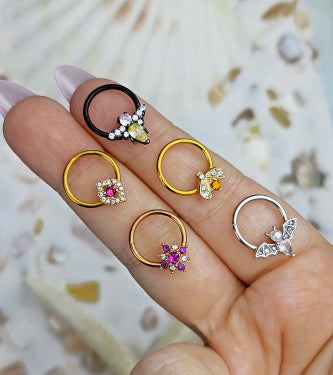














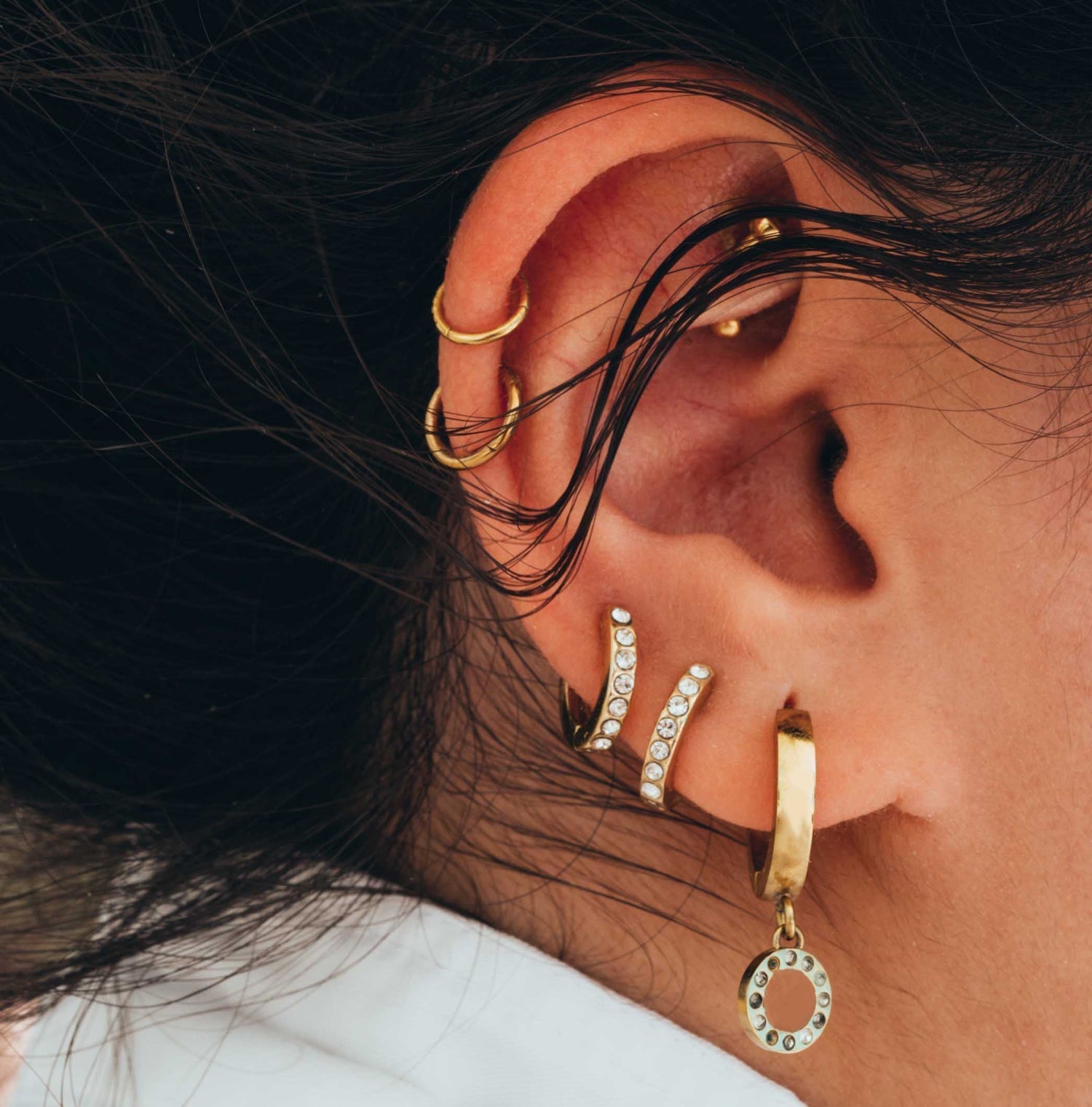
Take a look at your favorite curated ear on Instagram or TikTok. Your eyes are immediately drawn to the sparkling clusters, the sleek titanium hoops, and the perfectly placed studs. But if you look closer, you will realize the secret to why that ear looks so balanced and high-end isn’t just the jewelry itself.It is the empty skin around it.Welcome to the law of negative space—the ultimate design principle that separates a messy, overcrowded ear from a masterful, intentional ear curation.
What is Negative Space?
In art, photography, and interior design, negative space is the empty area surrounding the main subject. In the world of ear piercing, negative space is the bare, unpierced skin between your jewelry.
When you decorate a room, you do not pack furniture wall-to-wall. If you do, the room feels cluttered and chaotic. The same rule applies to your anatomy. Negative space gives your eyes a place to rest, which ironically makes the jewelry you do wear stand out significantly more.
Why Space Matters More Than the Pieces
When someone looks at a curated ear, their brain automatically tries to process the visual pattern.
- Too much jewelry creates visual noise. The individual beauty of a gorgeous opal flat piece or a diamond daith clicker gets lost when it is jammed tightly against three other studs.
- Strategic spacing creates a frame. Leaving a deliberate gap between a forward helix and a tragus piercing highlights the unique contours of your cartilage. It transforms your ear into a deliberate gallery rather than a crowded jewelry box.
By treating your skin as part of the design, you turn individual piercings into a single, cohesive art piece.
3 Ways to Use Negative Space on Your Ear
If you are planning your next piercing session or rearranging your current jewelry setup, here is how you can use the law of negative space to your advantage:
1. The "Step-Down" Effect (Lobe to Cartilage)
Instead of piercing a perfectly straight, tightly packed line of five lobe studs, try spacing them out with increasing gaps. Keep your first and second lobes close together, leave a wider patch of empty skin for your third, and then leap up to a high helix. The large patch of bare skin on your mid-cartilage creates a striking, modern contrast.
2. The Constellation Cluster
Constellation piercings thrive on negative space. Instead of a solid line of metal, a constellation uses three or four tiny studs placed in an intentional, scattered pattern across the flat of the ear. The empty skin between the studs mimics the night sky, making the tiny gems look like they are floating.
3. Contrast Heavy and Light
If you have a bold, statement piece of jewelry—like a thick, ornate conch stud or a busy industrial bar—balance it out by leaving the surrounding areas completely bare. Let that one piece command the room, and use the negative space around it to amplify its impact.
Quick Guide: Balancing Your Setup
When auditing your current ear project, keep this simple balance guide in mind:
- Daith / Rook
- Visual Weight: Heavy (Center-focused)
- Best Spacing Companion: Bare flats or minimal outer helix
- Industrial Bar
- Visual Weight: Very Heavy (Cross-ear)
- Best Spacing Companion: Empty lobe or simple tragus stud
- Constellation Studs
- Visual Weight: Light (Scattered)
- Best Spacing Companion: Grouped together with wide surrounding borders
Less Metal, More Magic
Curating an ear is a marathon, not a sprint. If you feel like your ear setup is missing "something," the answer might not be adding another piercing. The answer might actually be taking a piece of jewelry out, changing a hoop to a smaller stud, or letting a piece of your natural anatomy breathe.
Next time you speak with your piercer, don't just ask where the needle should go. Ask them how the new spot will interact with the empty space you already have. After all, the magic isn't just in the sparkle—it is in the space between.