

















So you’re trying to solve the great titanium vs surgical steel piercings debate? Let's make it super simple: titanium is your BFF for a new piercing, while surgical steel is an amazing, budget-friendly option for a fully healed one. Why? It all comes down to titanium being completely nickel-free and way lighter, making it the perfect partner for sensitive skin and a smooth, drama-free healing journey.
Your Piercing Metals Cheat Sheet
Getting a new piercing is an amazing feeling, but wading through all the jewelry options can be a total headache. You’ve probably heard "titanium" and "surgical steel" thrown around by your piercer, but what’s the real tea, and why should you care?
Think of this as your personal guide to figuring out which metal is safer, more comfortable, and a better match for your unique style. We’re here to cut through the noise and give you the straight-up facts so you can make a choice you feel awesome about. That way, you can skip the irritation and focus on what really matters—rocking your incredible new look!
Titanium vs Surgical Steel At a Glance
Before we get into the nitty-gritty, this quick comparison table breaks down the core differences between implant-grade titanium and surgical steel. It's a great way to see the main points at a glance and figure out what’s best for you.
| Feature | Implant-Grade Titanium (ASTM F-136) | Surgical Steel (316L) |
|---|---|---|
| Nickel Content | 100% Nickel-Free | Contains trace amounts of nickel |
| Best for New Piercings | Yes, highly recommended by pros | No, it can cause irritation during healing |
| Hypoallergenic | Yes, perfect for sensitive skin | Can trigger reactions in sensitive people |
| Weight | Super lightweight, reducing pressure | Heavier, which can pull on new piercings |
| Color Options | Can be anodized into tons of vibrant colors | Mostly silver-toned unless coated |
| Price Point | Higher, reflecting its premium quality | More affordable and wallet-friendly |
Understanding these basics is the first step toward a happy, healthy piercing. Now you can see why one metal is the gold standard for your initial jewelry, while the other becomes a fantastic option once you're fully healed and ready to build your collection.
Understanding the Metals in Your Jewelry
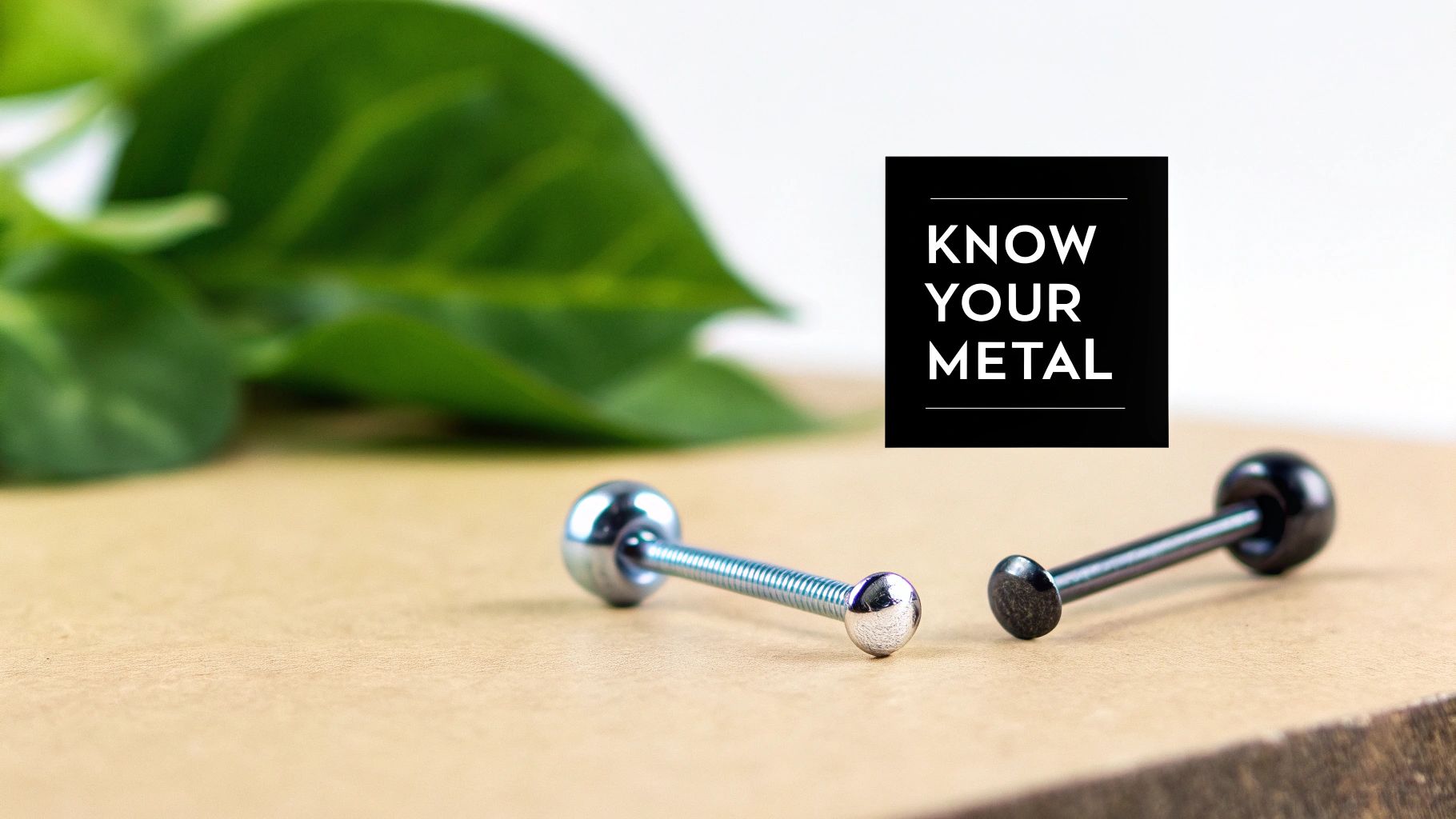
When you're picking out new jewelry, it’s not just about the sparkle—it’s about knowing exactly what you’re putting in your body. Let's break down the two main players in the titanium vs surgical steel piercings world so you can shop like a total pro.
Titanium, at its core, is a pure element. The kind you'll find in high-quality body jewelry is implant-grade titanium, often labeled as ASTM F-136. This grade is "biocompatible," which is just a fancy way of saying your body is super unlikely to throw a fit over it.
Because it’s so compatible with the human body, implant-grade titanium is the same material used in medical stuff like joint replacements and dental implants. If it's safe enough to be inside your body long-term, it's definitely safe for your fresh piercing!
This purity is exactly why professional piercers love it for initial jewelry. When you start your piercing journey with titanium, you’re giving your body the best possible chance to heal without any drama. For a deeper dive, check out everything you need to know about titanium body jewelry in our detailed guide.
What Is Surgical Steel Really Made Of?
Now, let's talk about surgical steel. Unlike titanium, surgical steel isn’t a pure element; it's an alloy, which means it’s a mix of different metals. The standard for body jewelry is 316L surgical steel, a specific grade known for being tough and resistant to rust.
So, what’s in this metallic cocktail? The main ingredients in 316L surgical steel are:
- Iron: The main component, giving it all that strength.
- Chromium: This is what gives the steel its shiny, corrosion-resistant finish.
- Nickel: A small amount is added to make it more durable.
That little bit of nickel is the key difference here. While the amount is low in 316L steel, it can still be enough to trigger a reaction for people with sensitive skin, especially during the crucial healing phase of a new piercing. This is why it’s a solid choice for well-healed piercings but isn't always the best pick for day one.
The Hypoallergenic Showdown: For Your Sensitive Skin
Ever wondered why one piercing gets angry and irritated while another heals like a dream? The secret culprit is often nickel sensitivity, and this is where your jewelry’s hypoallergenic powers become a total game-changer.
When comparing titanium vs. surgical steel piercings, this is the most critical factor, especially if you have sensitive skin or are getting a brand-new piercing. Think of it as a showdown for your body's comfort.
Why Titanium Is the Champion for Sensitive Skin
When it comes to being hypoallergenic, implant-grade titanium is the undisputed champ. The reason is simple: it is 100% nickel-free. This isn’t just a small detail; it’s the main reason professional piercers trust it for fresh piercings.
Your body's immune system is designed to fight off foreign invaders. Since implant-grade titanium is so pure and biocompatible, your body doesn't see it as a threat. This means less redness, less swelling, and a much smoother healing journey for you. It's the ultimate peace-of-mind metal. To learn more about what makes a metal safe, you can explore our full guide on hypoallergenic jewelry for sensitive skin.
For anyone with known metal allergies or just super sensitive skin, choosing titanium isn't just a preference—it's a must. It takes the guesswork out of the equation and dramatically reduces the risk of your body rejecting the piercing.
The data backs this up, too. Research analyzing over 10,000 piercings found that using titanium for initial piercings reduces complications by a staggering 60-70% compared to other metals. This huge difference shows just how much safer it is when your body is most vulnerable.
The Hidden Risk in Surgical Steel
Surgical steel sounds super safe—it has "surgical" right in the name! While 316L surgical steel is a durable alloy, it contains a small but significant amount of nickel. Even though the nickel is mostly locked within the alloy, trace amounts can still be released.
For many people, this isn't a problem, especially in a fully healed piercing. But for those with nickel sensitivity, that tiny amount is enough to cause a reaction.
This can look like:
- Redness and Itching: Your skin gets inflamed and uncomfortable around the piercing site.
- Swelling and Bumps: Annoying irritation bumps can form, slowing down or even stopping the healing process.
- Weeping or Crusting: A clear or yellowish fluid might show up as your body tries to fight off what it thinks is a threat.
Because a new piercing is an open wound, it’s much more susceptible to these reactions. By choosing surgical steel for a fresh piercing, you're rolling the dice on whether your body will tolerate the nickel. That's why we always say: go with titanium first, then you can explore the amazing world of surgical steel jewelry once you're fully healed.
Comparing Durability, Weight, and Everyday Wear
Your body jewelry is a core part of your style, so you want it to feel great and last forever. When you get into the practical, day-to-day experience of wearing your pieces, the differences between titanium and surgical steel really start to show. It's not just about what they look like; it’s about how they feel.
Did you know that titanium is about 45% lighter than surgical steel? This might not sound like a huge deal for a tiny nostril stud, but for a fresh piercing or any larger piece of jewelry, it can make a world of difference in your comfort. Less weight means less pressure, pulling, and irritation on that sensitive healing tissue.
The Real-World Impact of Weight
That lightweight feeling is so much more than a minor perk—it directly impacts your healing. A lighter piece of jewelry is far less likely to get snagged or put stress on your piercing, which is crucial in those early weeks when everything is extra sensitive.
The weight difference is significant. A standard surgical steel navel ring might weigh between 8 to 12 grams. An identical one made from titanium? It’s only going to be around 4 to 7 grams. That's a huge reduction in the downward pressure on a healing piercing, especially during those critical first few weeks.
Pro Tip: If you're getting a piercing in a high-movement area like your navel or tongue, choosing lightweight titanium can make your healing process noticeably more comfortable.
Durability and Tarnish Resistance
When it comes to strength, both metals are tough. Surgical steel is known for its durability and is a fantastic choice for everyday wear in a fully healed piercing. Its strong nature makes it resistant to most scratches and dings, perfect for anyone with an active lifestyle. You can see some great examples in Bodycandy's collection of annealed 316L surgical steel D-rings and more.
However, titanium has a clear edge in one key area: corrosion resistance. It's incredibly resilient against things like sweat, saltwater, and everyday chemicals. This means it will never tarnish or lose its shine, no matter what you put it through. So, if you're looking for a piece you can truly wear 24/7 without a second thought, titanium is your ultimate "set it and forget it" option.
Aesthetics, Cost, and Finding Your Perfect Style
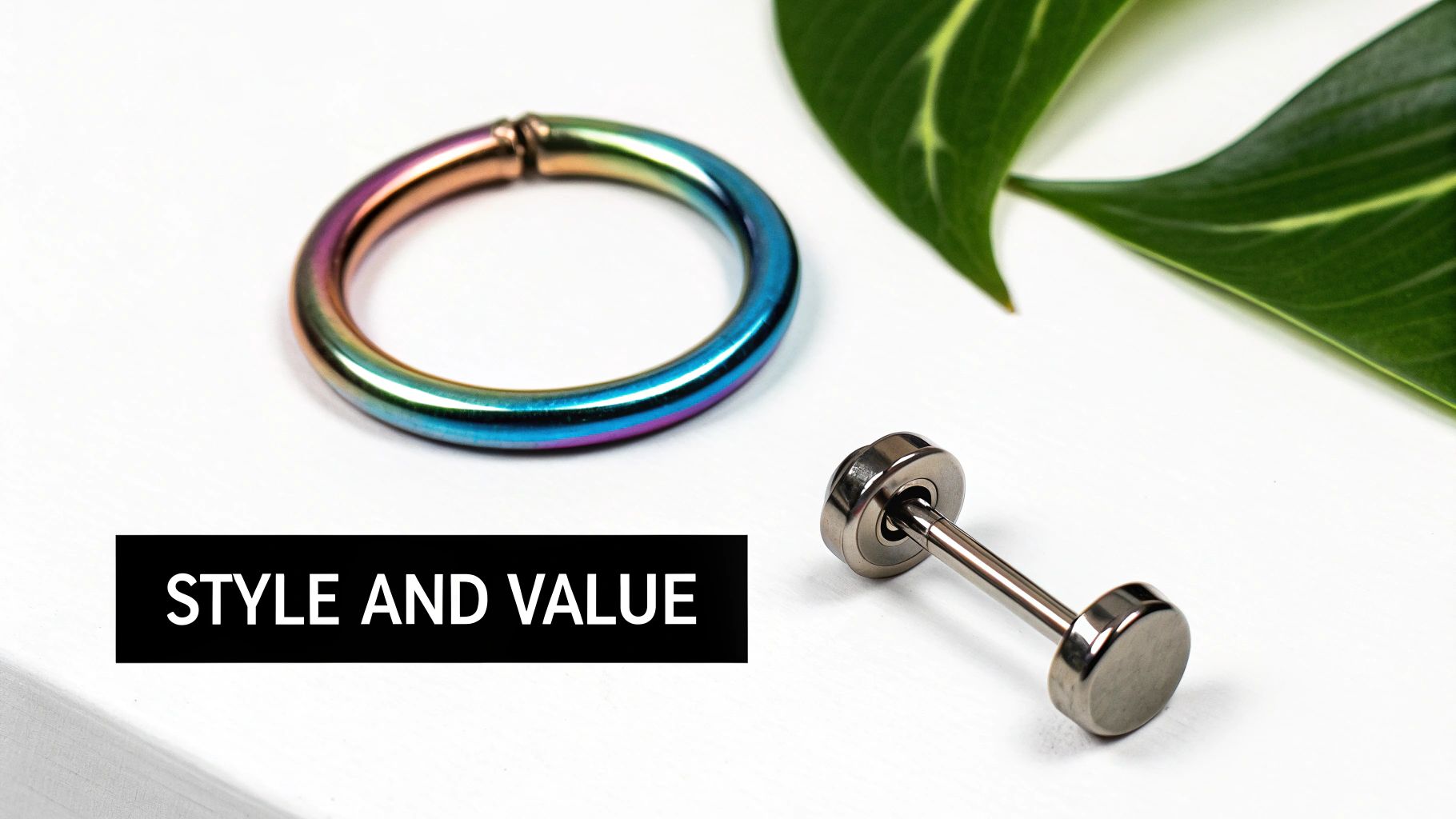
Now for the fun part—making your piercing truly yours. Your jewelry is a statement, so let's get into how looks and cost factor into the whole titanium vs. surgical steel piercings debate. Both metals bring awesome options to the table, but they shine in completely different ways.
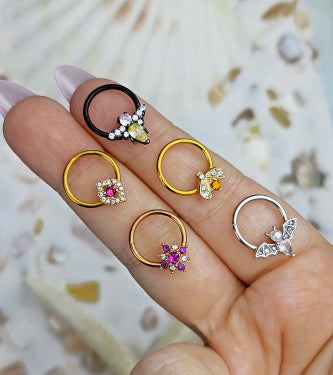
If you’re someone who lives for a pop of color, titanium is your new bestie. Its coolest feature is that it can be anodized, a safe process using electricity to change the surface color without any paints or iffy coatings. This opens up a whole rainbow of vibrant, metallic shades.
- Electric blues
- Deep purples
- Vibrant greens
- Rich golds and rose golds
Surgical steel, on the other hand, is the master of classic cool. It usually comes in that highly polished, silver-like finish that’s both timeless and super versatile. It’s the perfect neutral base that goes with any outfit or other jewelry you’re wearing.
Balancing Your Budget and Your Bling
Let's be real: your budget is a big deal when you're growing your jewelry collection. This is where you'll see one of the biggest differences between these two metals.
Titanium is definitely the more expensive choice upfront, and for good reason. You’re paying for its purity, hypoallergenic qualities, and lightweight feel. Think of it as an investment in a happy, healthy piercing, especially when it’s brand new and needs all the love it can get.
Key Takeaway: The price difference isn't just about the metal; it's about investing in a smoother healing process. A higher initial cost for titanium can save you from the potential expense and headache of dealing with an allergic reaction later.
Generally, you can expect titanium jewelry to be 40-60% more expensive than similar surgical steel pieces. For instance, a new titanium navel ring might cost you $50-$80, whereas a surgical steel version could be in the $30-$50 range. You can explore more on how material quality impacts piercing jewelry prices on stretchitbodyjewellery.co.uk.
Surgical steel is your go-to for affordability. Once your piercing is fully healed, you can dive into the amazing world of budget-friendly surgical steel jewelry without breaking the bank. It lets you experiment with tons of different styles and build a massive collection for every mood!
Titanium vs. Surgical Steel: When to Choose Which
Alright, so what's the final verdict in the titanium vs. surgical steel piercings showdown? It really just comes down to your body, your piercing's age, and what your goals are. This is your go-to guide for making the right call every single time.
Let's just get this out of the way: if you're talking about a brand-new piercing, there’s only one choice.
Go with Titanium for Your Piercing Journey
There's a reason every professional piercer worth their salt recommends implant-grade titanium. It’s the undisputed champ in a few key situations. You should always, always pick titanium when:
- You're getting a brand-new piercing: A fresh piercing is basically an open wound. Titanium's 100% nickel-free nature gives your body the best possible chance to heal up smoothly without any drama.
- You have sensitive skin or known metal allergies: Don't even play around with this. Titanium is completely biocompatible, which is a fancy way of saying your body doesn't see it as a foreign invader. This helps you dodge those itchy, red, and angry reactions.
- A piercing is healing slowly or seems irritated: Got a piercing that's just not happy? Swapping the jewelry out for implant-grade titanium can often be the magic trick that calms everything down and gets the healing process back on track.
Think of choosing titanium for a new piercing as an investment in your health. You're buying peace of mind and giving that piercing the absolute best start in life.
Grab Surgical Steel for Your Jewelry Collection
So, when does surgical steel get its moment to shine? Once your piercing is 100% healed and settled, surgical steel opens up a whole world of awesome, affordable options. It's the perfect choice when:
- Your piercing is fully healed: After that initial healing window is over (which can be anywhere from a few months to a year), your body is way less touchy. Many people can wear surgical steel at this stage with zero problems.
- You want to build a huge jewelry collection on a budget: Surgical steel is way easier on your wallet. This means you can go wild and experiment with all kinds of styles, from classic surgical steel belly rings to trendy new hoops, without draining your bank account.
- You don't have any nickel sensitivities: If you’ve worn cheap earrings or costume jewelry before without turning into an itchy mess, you'll probably be perfectly fine with 316L surgical steel in a healed piercing.
At the end of the day, it's all about your piercing's age and how your skin behaves. Start smart with titanium for anything new or healing, and then have all the fun you want with steel once you're in the clear.
Common Questions About Piercing Metals
Still have a few questions floating around? We've got you. Let's tackle some of the most common things we hear from people stuck in the great titanium vs surgical steel piercings debate.
Can I Use Surgical Steel for a New Piercing?
Honestly, you shouldn't. While you might see it out there, any professional piercer will tell you to stick with implant-grade titanium for a brand-new piercing.
The reason is simple: titanium is completely nickel-free. This drastically cuts down the risk of allergic reactions and irritation while your body is trying to heal. That little bit of nickel in surgical steel can be a real troublemaker for a fresh, open wound.
Is Titanium Jewelry Worth the Extra Cost?
Absolutely, especially when you're dealing with a new or fussy piercing. Think of the higher price not as a cost, but as an investment in your piercing's health and your own comfort.
By choosing titanium, you're sidestepping potential problems like allergic reactions and frustratingly long healing times. A happy, healthy piercing right from the start is definitely worth it.
This handy decision tree breaks it all down for you.
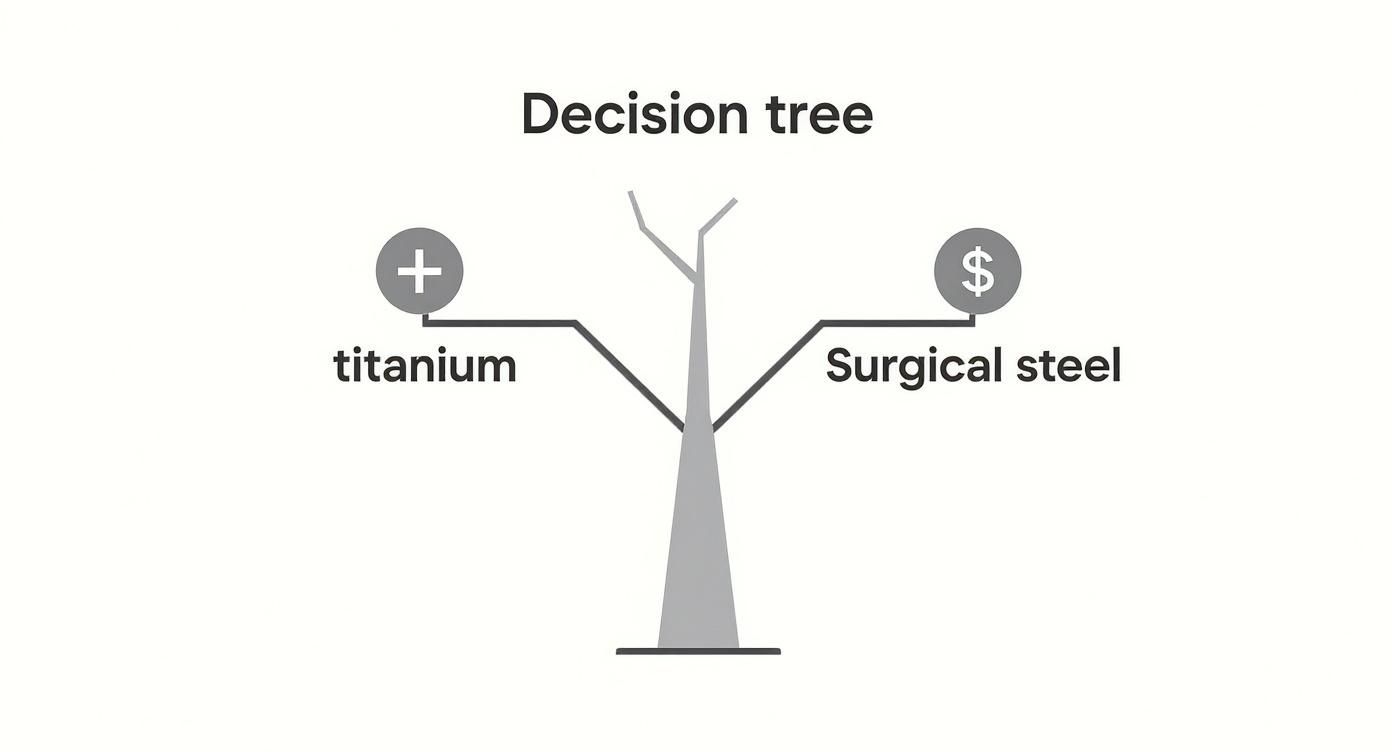
As you can see, the path to titanium is all about prioritizing health and safety. Surgical steel only really comes into play when your budget is the main concern for a piercing that's already fully healed.
How Can I Tell If My Jewelry Is Titanium or Steel?
There are a few easy tricks you can use. First, titanium is noticeably lighter than surgical steel of the same size—you can often just feel the difference in your hand.
Another simple test involves a magnet. Surgical steel is slightly magnetic because of its iron content, while titanium is not. If you hold a magnet up to your jewelry and feel a weak pull, you're likely holding steel.
A final giveaway is the color. If your jewelry comes in vibrant, unpainted shades like electric blue, purple, or oil-slick rainbow, it’s almost certainly anodized titanium. This process creates color without any coatings or paints—a feature totally unique to titanium.
Ready to find the perfect, high-quality piece for your piercing? Explore our massive collection of body jewelry at BodyCandy today and give your piercing the love it deserves! https://bodycandy.com