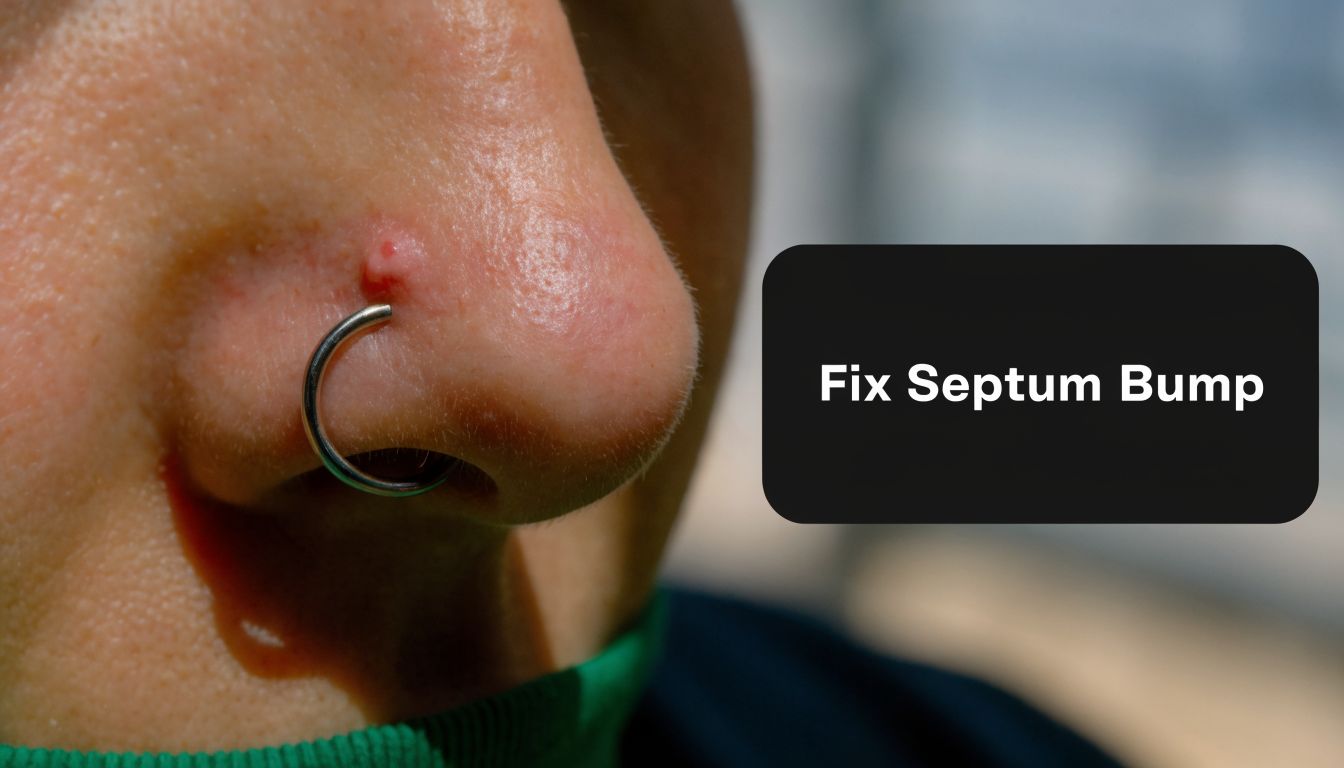



















You put on a cute pair of earrings. A few hours later, your lobes feel hot, itchy, and weirdly angry. Maybe your nose stud keeps getting crusty. Maybe your belly ring looks fine one week and irritated the next. That kind of reaction can make you feel like your skin is being dramatic.
It probably isn't.
A lot of people who search for nickel free earrings for sensitive ears are dealing with a real metal sensitivity, not “just irritation.” And if you have more than lobe piercings, the material matters even more. Your helix, nostril, navel, and nipple piercings all deserve jewelry that looks good without picking a fight with your skin.
Why Your Ears Are Itchy And What To Do About It
You take your earrings out at night and see the classic signs. Redness. Itching. Maybe a dry little rash around the hole. You wash your ears, blame the weather, and try the same pair again next weekend. Then it happens again.
That cycle is super common with nickel sensitivity.
Approximately 10-20% of the global population suffers from nickel allergies, with women being disproportionately affected due to more frequent contact with jewelry, and the allergy often develops over time with repeated exposure according to Blomdahl's overview of nickel-free earrings. That last part trips people up. You can wear a metal for a long time and then suddenly start reacting.
Why it feels like it came out of nowhere
Nickel allergy usually doesn't announce itself on day one. Your immune system can become sensitive after repeated exposure, which is why a pair you used to tolerate might start causing trouble later.
That's also why people say things like:
“I've worn cheap earrings forever, so I can't be allergic.”
You still can. A delayed reaction is part of what makes nickel so annoying.
What to do first
If your piercing is actively itchy or rashy, start simple.
- Take out the suspected jewelry: Give the area a break from the metal that may be triggering the reaction.
- Switch to a safer material: Go for a nickel-free option instead of another “maybe safe” pair.
- Watch the symptoms: Mild irritation can settle down once the trigger is gone, but worsening pain, swelling, or discharge means you should get medical advice.
- Check for piercing-specific irritation: Metal isn't the only issue. Fit, friction, and aftercare can pile on too. Body piercing irritation is explained well in this BodyCandy guide to allergic reactions and piercing care.
The big takeaway
If your ears keep getting itchy from “normal” earrings, your body is giving you useful information. Listen to it. You don't need to stop wearing jewelry. You just need better metal.
Decoding The Hype Around Hypoallergenic Jewelry
Hypoallergenic and nickel-free sound similar, but they're not the same thing.
Food labels offer a useful comparison. “Low sugar” doesn't mean “sugar free.” In jewelry, “hypoallergenic” means something is less likely to cause a reaction. “Nickel-free” is more specific. It tells you what problem metal has been left out.
That's why “hypoallergenic” on its own can feel a little slippery.

Why the label alone isn't enough
Some brands use “hypoallergenic” as a broad comfort claim, but your skin reacts to actual metal content, not marketing language. If a listing doesn't tell you what the post, bar, or backing is made from, that's a problem.
A better shopping question is: What is the exact material?
If you want a quick primer on how sensitive-skin jewelry claims work, this BodyCandy article on hypoallergenic jewelry for sensitive skin is a useful starting point.
The surgical steel myth
A lot of people hear “surgical steel” and assume it's automatically the safe choice for every sensitive piercing.
Not exactly.
Surgical stainless steel (316LVM) contains 8-10.5% nickel. While its low release rate is often fine for healed piercings, it can trigger reactions in 15-30% of nickel-allergic users in fresh piercings due to higher nickel leach rates under sweat exposure, based on material guidance from Pretty Sensitive Ears.
That doesn't mean surgical steel is bad for everyone. It means it's not the same thing as nickel free.
Quick rule: If your piercing is new, irritated, or in a spot that gets bumped a lot, don't assume surgical steel is your safest option.
A simpler way to read jewelry descriptions
When you shop, sort materials into three mental buckets:
- Best bet for sensitivity: implant-grade titanium, niobium
- Sometimes okay depending on your skin and the piercing: certain steels in healed piercings
- Higher risk or too vague: plated mystery metals, “silver-tone,” “gold-tone,” unlabeled alloys
That one habit will save you a lot of itchy regret.
The Best Materials For Your Sensitive Piercings
One pair of earrings can feel fine, while a nose stud from the same order leaves your piercing hot, itchy, and annoyed by bedtime. That usually comes down to material, placement, and friction working together.
If your skin reacts easily, a short, reliable materials list makes shopping much easier. For sensitive piercings, implant-grade titanium is usually the safest starting point. Niobium is another strong pick. Nickel-free gold can also work well, especially for healed piercings and warmer-toned styling.

Titanium is the calm friend in the group
Implant-grade titanium (ASTM F136) is the gold standard for biocompatibility. Its corrosion resistance is so high that it releases less than 0.1 µg/cm²/week of metal ions, far below the EU limit that triggers contact dermatitis, ensuring a 95%+ success rate for long-term wear, according to Rhokea's doctor-focused guide to safe earring metals.
Here's the practical version. Titanium stays stable inside the messy real world of skin oils, sweat, water, and daily movement. Less reaction at the metal surface usually means less drama from your piercing.
It works especially well for:
- fresh lobe piercings
- cartilage piercings
- nostril studs
- labrets
- navel jewelry
- jewelry you plan to wear for long stretches
Niobium deserves more love
Niobium is one of those metals piercing fans tend to discover after a few bad jewelry experiences. It has a strong reputation for being gentle, stable, and well-tolerated by reactive skin.
It can be a great choice for more than ears. If your septum ring shifts all day, your helix gets caught in your hair, or your belly ring rubs against waistbands, niobium is worth a look. Those placements act more like high-traffic doorways than quiet corners, so a calm material helps.
Nickel-free gold has a different vibe
Nickel-free gold is the dressier option in the group. It gives you that classic warm finish without automatically putting nickel in contact with your skin.
The catch is simple. Gold color is not the same as gold content, and gold content is not the same as nickel-free. For sensitive piercings, the alloy matters just as much as the look. That makes nickel-free gold a better fit for healed piercings, curated stacks, and statement pieces you want to wear comfortably.
Your skin reacts to the metal touching the piercing channel, not the trendiness of the design.
Your Guide To Nickel-Free Materials
| Material | Best For | Price Point | Vibe |
|---|---|---|---|
| Implant-grade titanium | Fresh piercings, very sensitive skin, everyday wear | Moderate | Clean, sleek, low-fuss |
| Niobium | Reactive skin, body piercings, simple long-wear setups | Moderate | Understated, slightly niche |
| Nickel-free gold | Healed piercings, improved styling, warm-toned looks | Higher | Classic, polished |
| Surgical stainless steel | Healed piercings for people who tolerate it | Lower | Budget-friendly, versatile |
Matching the material to the piercing
Your lobe, helix, nostril, and navel do not play by the same rules.
A lobe piercing often has an easier life. A helix gets pressure from sleep and headphones. A nostril stud deals with oil, cleansing, and accidental snags. A belly ring bends and rubs every time you sit, stretch, or change clothes. The more movement and friction a piercing sees, the less room there is for a metal your skin only "sort of" tolerates.
That's why this guide goes beyond earrings. Sensitive skin advice should help with your whole setup, not just your lobes. If you want a closer look at which metals make sense for different jewelry types, BodyCandy's guide to allergic reactions and piercing care breaks down what to look for in a way that applies across ear, nose, lip, and navel piercings.
How To Shop Smart For Irritation-Free Jewelry

Shopping for sensitive piercings gets easier once you know what clues to scan for.
A good product listing should answer the question your skin cares about most: what exactly is touching the piercing channel? If that answer is vague, your safest move is to keep looking. “Hypoallergenic” can be helpful, but it is not the same as a clear material label.
If you are buying for a nostril, helix, navel, or nipple piercing, get even more specific. Those placements deal with more motion, pressure, moisture, or rubbing than a calm, healed lobe, so small material details matter more.
What to look for on the product page
The best listings name the metal clearly and tell you which part is made from it. That matters because the decorative front is not the whole story. Your piercing reacts to the post, barbell, ring, or backing, just like your tongue notices the pan, not the garnish.
Look for details like:
- Exact metal naming: implant-grade titanium, niobium, or clearly labeled nickel-free gold
- Specific component info: post, bar, and backing should be identified, not just the decorative front
- Fresh piercing suitability: some jewelry is better saved for healed piercings
- Threading style: smoother insertion usually means less irritation during changes
Why body piercings need stricter standards
A lot of shopping advice stops at earrings, but sensitive skin does not stop at your lobes.
Different piercings live very different lives. A lobe stud can sit still all day. A nose stud gets bumped during skincare. A navel ring bends when you sit and catches on waistbands. A nipple barbell deals with constant fabric friction. The more a piercing moves, the less tolerance it usually has for mystery metals, rough finishes, or questionable plating.
That is why your filter should change by placement:
- Lobes: healed piercings often have more flexibility
- Cartilage: smoother finishes and low-irritation metals are usually a better bet
- Nose: a stable fit and high-quality wearable metal matter a lot
- Navel and nipple: friction-heavy spots need closer attention to both material and fit
For a visual walkthrough, this video helps show what to pay attention to when choosing jewelry:
Red flags that should make you pause
Some product pages wave little warning flags right away.
- “Silver-tone” or “gold-tone” only: That tells you the color, not the metal.
- “Titanium” with no added detail: If the listing does not identify the grade or the wearable parts, be cautious.
- Plated jewelry for daily wear: Once the coating thins out, your piercing meets the base metal underneath.
- No mention of the part inside the piercing: The gem or charm may be harmless while the post causes the problem.
One practical option is to browse clearly labeled material collections, such as BodyCandy's nickel-free earrings collection, then check each product page for the exact metal, wearable components, and placement details before you buy.
Styling And Aftercare For Happy Piercings
You put in a cute new piece, and by lunchtime your piercing feels grumpy. That does not always mean the metal is wrong. Fit, weight, movement, and surface finish all affect how a piercing behaves, whether it is in your lobes, nostril, helix, navel, or nipple.

Pick styles that move with you
Sensitive piercings usually prefer jewelry that acts more like a well-fitted shoe than a statement jacket. If it rubs, swings, twists, or catches all day, your skin keeps getting tiny reminders that something is there.
Good options include:
- Flat back pieces: These usually feel better for long wear, especially in ear piercings and some lip piercings.
- Threadless titanium posts: They are popular for sensitive setups because they can give you a secure fit with fewer rough connection points. As noted in Blue Nile's guide to earrings for sensitive ears, smooth titanium styles and PVD-coated titanium tend to be better long-term picks for reactive skin than traditional plated options.
- Lightweight studs and small hoops: Less pulling usually means less irritation.
- Cleanly finished ends and smooth edges: Fewer snag points means less friction with skin, hair, and clothing.
Placement matters here. A tiny stud that works great in a second lobe might feel annoying in a nostril if the fit is off. A dressier navel piece can look amazing for a few hours, then become a problem if it keeps rotating against denim.
Be careful with plated looks
Color is fun. So is shine. The issue is that coatings sit on top of a base material, and your piercing only stays happy while that surface stays intact.
If you know your skin reacts easily, start with a safe core material and treat the finish like extra credit. That advice applies across your whole setup, not just earrings. A plated nose stud, curved barbell, or belly ring can cause the same kind of frustration once wear starts showing.
Easy aftercare habits that help
Piercings like boring routines. That is good news.
-
Clean the jewelry gently
Use mild soap and water when that suits the piece, then dry it well. Buildup from oil, hair products, and skincare can make even well-made jewelry feel irritating. -
Keep the area calm
Avoid spraying perfume, hairspray, or heavy skincare right on or around the piercing. -
Do not force jewelry changes
If a post drags, catches, or feels scratchy, stop. Mechanical irritation can look a lot like a metal reaction. -
Match the style to your day
Sleep, workouts, and travel usually go better with lower-profile jewelry than with a large statement piece.
Material-specific care in normal language
Titanium is low-maintenance, which is one reason piercers love it for everyday wear. It is the jeans-and-tee of piercing metals. Reliable, comfortable, and hard to annoy.
Nickel-free gold needs a gentler approach. Store it separately so harder pieces do not scratch it, and pay attention to prongs, seams, and backs that can get rough over time.
The best routine is not fancy. Clean jewelry. Clean hands. Gentle changes. And no random mystery-metal pieces sneaking into your ears one day and your nose ring collection the next.
Your Nickel-Free Jewelry Questions Answered
Can you suddenly develop a nickel allergy
Yes. That's one of the most confusing parts. A sensitivity can show up after repeated exposure, which is why someone can wear the same type of jewelry for years and then start reacting later.
If that sounds like your situation, stop testing your luck with old pairs and switch to clearly identified safer materials.
Is gold-plated jewelry a safe alternative
Usually not the smartest choice if you already know you're sensitive.
Plated jewelry can look great at first, but the outer layer can wear down. Once that happens, your piercing is dealing with the base metal underneath. If the listing doesn't clearly explain that base metal, it's a gamble.
What about plastic or bioplast for new piercings
Some people reach for non-metal jewelry because it seems like the easiest way to avoid metal problems. But “non-metal” doesn't automatically mean “ideal,” especially for a fresh piercing.
For a healing piercing, stable high-quality materials are usually the safer move. If you're considering a plastic-based option for a specific reason, like flexibility or a temporary wear situation, it's worth checking with a qualified piercer before switching.
Does nickel-free only matter for ears
No. It matters anywhere your skin is reacting, and it matters even more in piercings that deal with pressure and movement.
That includes:
- nostrils
- cartilage
- labrets
- navels
- nipples
A metal that feels okay in a healed lobe might still annoy a belly ring piercing or a fresh nostril.
If a piece says hypoallergenic, is that enough
Not by itself.
The better question is still: what is the post, bar, or wearable surface made from? If that answer is vague, the label doesn't help much.
What's the safest first move if your piercing is angry right now
Go simple. Remove the piece if needed, avoid random swaps, and choose a clearly identified low-irritation material for the next try. If the area looks increasingly swollen, painful, or infected, get professional advice.
Ready to upgrade your setup without the itch drama? Browse BodyCandy for nickel-free styles, then check the material details for the exact post, bar, or backing before you buy. If you've got a sensitive piercing story or a question about your next piece, drop it in the comments and compare notes with fellow jewelry lovers.