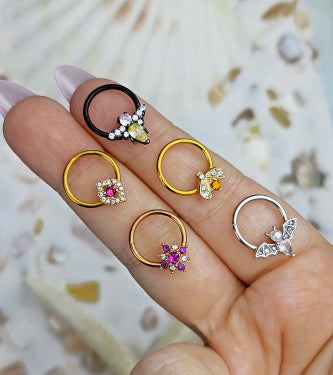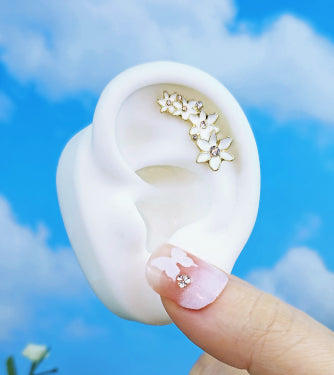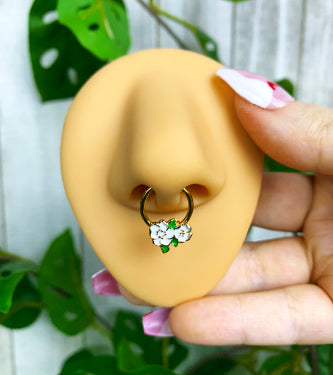











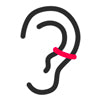








So, you're dreaming of a new cartilage piercing? That's awesome! But before you start picking out jewelry, we need to have a serious talk. When it comes to cartilage, there's one non-negotiable rule: always go to a professional piercer. It's worlds away from a DIY attempt or a mall piercing gun, and it's the only way to do this safely.
Your Guide To Getting A Cartilage Piercing
Whether you’re eyeing a chic helix, a bold conch, or a trendy daith piercing, adding some new sparkle is one of the best ways to update your look. But hold on—a cartilage piercing is a bigger commitment than a simple lobe piercing. Doing it right from the very beginning is everything.
Think of this guide as your piercing BFF. We’re going to walk you through the entire journey, from that first spark of an idea to a beautifully healed piercing that’s ready for some seriously cool jewelry.
What Makes Cartilage Different?
Unlike your soft, fleshy earlobe, cartilage is a firm, flexible tissue with much less blood flow. What does this mean for you?
- Slower Healing: Less blood supply means a longer healing time. While lobes might be good to go in a few months, cartilage piercings can take anywhere from six months to a full year to fully heal. Sometimes even longer!
- Higher Risk of Irritation: The structure of cartilage makes it way more prone to those dreaded irritation bumps and other issues if it’s not cared for meticulously.
- Requires a Needle, Not a Gun: This is a big one. Piercing guns use blunt force trauma to shove an earring through your ear. This can literally shatter cartilage, leading to serious complications, permanent scarring, and a nightmare healing process. A professional piercer uses a hollow needle that cleanly removes a tiny piece of tissue, creating the perfect channel for your jewelry.
Crucial Takeaway: We can't say this enough: A professional piercer isn't just a suggestion; it's the only safe and effective way to get a cartilage piercing. The risks of DIY piercing—from severe infection and scarring to shattered cartilage—are just not worth it.
Professional vs DIY Cartilage Piercing At a Glance
Still tempted to try it at home to save a few bucks? Let's lay it all out. When it comes to learning how to pierce cartilage, "learning" means understanding why going to a pro is the only option.
Here's a quick comparison that shows why trusting a professional is the only safe way to get your cartilage pierced.
| Factor | Professional Piercing | DIY Piercing |
|---|---|---|
| Safety & Hygiene | Uses a fully sterilized environment with single-use, hollow needles. Your piercer is trained in bloodborne pathogens and cross-contamination prevention. | High risk of infection from unsterile tools and environment. Potential for severe bacterial infections that can lead to permanent damage. |
| Technique & Precision | Expert placement based on your unique anatomy, ensuring the piercing is straight and aesthetically pleasing. A needle creates a clean, precise hole. | Risk of incorrect placement, crooked angles, and shattering the cartilage with improper tools (like piercing guns or sewing needles). |
| Jewelry Quality | Uses body-safe, implant-grade materials like titanium or surgical steel, properly sized to allow for swelling. | Often uses low-quality, mystery-metal jewelry that can cause allergic reactions, irritation, and rejection. |
| Support & Aftercare | Provides expert aftercare advice and is available for check-ups and troubleshooting if you run into any healing issues. | You’re on your own. There’s no professional to turn to when (not if) problems like irritation bumps or infections arise. |
When you break it down, it's pretty clear. Paying a professional piercer isn't just about the piercing itself; it's about investing in your health, safety, and the long-term success of your new look. It gives you peace of mind and the best possible start for a healthy, happy piercing you'll love for years to come.
What to Expect at the Piercing Studio

Walking into a piercing studio for the first time can be a wild mix of excitement and nerves. We get it! But knowing exactly what’s going to happen, step-by-step, helps you walk in feeling confident and ready for your new bling.
Let's pull back the curtain on what a professional piercing appointment actually looks like. Your experience should feel amazing from the moment you walk through the door. A clean, reputable studio will feel more like a medical office than a party. Keep an eye out for an autoclave (a key sterilization machine) and check for proudly displayed certifications.
The Consultation and Placement
First up, you'll have a chat with your piercer. This is your time! Tell them exactly what you're dreaming of, whether it's a subtle helix accent or a bold conch statement. A great piercer will then take a close look at your ear's unique anatomy to make sure the placement is not only possible but will also look incredible and heal properly.
This is a two-way street, so don't hesitate to ask anything and everything on your mind. After the discussion, your piercer will use a surgical ink pen to mark the proposed spot. Take your time and really look at the mark in a mirror from every angle. If it doesn't feel right, speak up! It needs to be perfect for you before anything else happens.
Pro Tip: If a piercer ever seems rushed, dismisses your questions, or ignores concerns about your anatomy, that's a huge red flag. A true professional always puts your safety and happiness first.
The Prep and The Poke
Once you’ve given the enthusiastic "yes!" to the marked spot, your piercer will get everything prepped. They’ll start by thoroughly cleaning and disinfecting the entire area. You should see them put on a fresh pair of sterile gloves and open a brand new, sealed, single-use needle package right in front of you. Every single tool that touches your skin must come from a sterilized package.
Now for the main event. Your piercer will coach you to take a deep breath in and then exhale slowly. On the exhale, they'll quickly and smoothly pass the hollow needle through your cartilage. It’s a very fast, sharp pinch that’s over in a flash. This is the only right way to pierce cartilage—always with a sterile, hollow needle.
Why Needles Beat Piercing Guns Every Time
Let’s be crystal clear: piercing guns should never be used on cartilage. Here’s the simple breakdown of why:
- Blunt Force Trauma: A piercing gun uses brute force to cram a dull stud through your tissue. This shatters the delicate cartilage, which can lead to permanent lumps, keloids, and a brutally painful, long healing process.
- Sterilization Issues: Plastic piercing guns simply cannot be sterilized in an autoclave. This means you’re running a serious risk of exposure to bacteria and even bloodborne pathogens from every client who came before you.
- Incorrect Jewelry: The "starter" studs in guns are often made of low-quality metals. They're also too short to allow for swelling, and their butterfly backs are notorious for trapping bacteria and gunk, making proper cleaning impossible.
A professional piercer’s needle, by contrast, is specifically designed to be razor-sharp. It creates a clean, precise channel by removing a tiny bit of tissue instead of just crushing it out of the way. This method is far less traumatic, setting you up for a much safer and smoother healing journey. For a deeper dive into the whole experience, you can also check out our guide on how to prepare for your first piercing.
Inserting Your New Jewelry
Immediately after the needle passes through, your piercer will follow it with your chosen starter jewelry. They’ll expertly guide the sterile post into the fresh piercing and secure it. This first piece of jewelry is almost always going to be an implant-grade, flat-back labret stud.
You'll notice the post is a bit longer than you might expect. That's intentional! It leaves room for the initial swelling that’s a totally normal part of the healing process. After a final clean-up, you’re done! You'll walk out of the studio with a stunning new piercing and all the critical aftercare instructions needed to start healing right.
Choosing The Right Jewelry For A New Piercing
Okay, let's get to the fun part—picking out your new bling! It’s so easy to get starry-eyed and want the most intricate, sparkly piece you can find. We get it. But for your very first piece of jewelry, we need to think more about healing than high fashion. Think of it as laying the groundwork for all the amazing styles you'll get to wear down the road.
This initial piece of jewelry will be living in your fresh piercing for a few months, so its material, style, and size are all incredibly important. Getting this right from the start is the secret to avoiding irritation, allergic reactions, and those annoying piercing bumps everyone dreads. A little bit of smart planning now makes for a much happier, healthier cartilage piercing later.
Body-Safe Materials Are Non-Negotiable
When we're talking about a brand new piercing, not just any metal will do. This jewelry is going to be in constant, 24/7 contact with your healing tissue, so you absolutely need a material that your body will accept. This is where body-safe, implant-grade metals come in. They're the industry standard for very good reasons.
Here are the top-tier materials your professional piercer should be using:
- Implant-Grade Titanium: This is the undisputed champion of piercing materials. It's totally nickel-free, feather-light, and incredibly biocompatible, which means your body is extremely unlikely to react to it. It's the same material used in surgical implants, so you know it's legit.
- Surgical Steel: A very common and affordable choice, but you have to be picky. You want to see 316L or 316LVM surgical steel, which has a very low nickel content. It’s safe for most people, but if you have a known nickel sensitivity, just stick with titanium. It's the safer bet.
- Niobium: A lot like titanium, niobium is another fantastic hypoallergenic and biocompatible option. It’s a bit heavier than titanium, but it's an excellent choice if you have especially sensitive skin.
If you're browsing at Bodycandy, going with our hypoallergenic titanium is a sure way to ensure compatibility. When you look at the science, titanium's biocompatibility can slash the risk of rejection by a massive 70% compared to a lot of alloys that contain nickel.
The Best Jewelry Style For Healing
You’ve probably seen some incredible cartilage setups with hoops, chains, and all sorts of dangles. Those are definitely piercing goals, but they are not for a fresh piercing. For an initial piercing, the name of the game is minimizing movement and making it easy to clean.
For almost any cartilage piercing, the go-to starter jewelry is a flat-back labret stud. Here’s why it works so well:
- Stability: The flat disc on the back sits flush against the inside of your ear. This is huge for preventing snags on your hair, your clothes, and your pillowcase.
- Easy Cleaning: There are way fewer nooks and crannies for bacteria and "crusties" to build up. This makes your daily saline soaks much more effective.
- Reduced Movement: A hoop can rotate, potentially dragging outside germs right into your healing piercing channel. A labret stud, on the other hand, stays put, letting the tissue heal without being disturbed.
Heads Up: Any reputable, professional piercer will almost always reach for a labret stud for a new cartilage piercing. If you walk into a studio and they suggest starting with a hoop, consider it a major red flag. It’s a sign they might not be following the safest, most current industry practices.
Getting The Size Just Right
The final piece of this puzzle is getting the size perfect. This comes down to two key measurements: the gauge and the length.
Gauge is the term for the thickness of the post. For the vast majority of cartilage piercings, the standard is 16g (1.2mm). It's a sweet spot—sturdy enough to be stable but still delicate enough for most ear anatomies.
Length is just as crucial. Your piercer will intentionally select a labret post that's a bit longer than the actual thickness of your cartilage. This extra room (we're talking just a few millimeters) is vital to accommodate the initial swelling that's totally normal for the first few weeks. It keeps the jewelry from getting too tight, which can cause painful pressure, major irritation, and even serious complications.
After the swelling has subsided (usually around 4-8 weeks), you'll head back to your piercer for a "downsize." They'll swap the long post for a shorter one that fits snugly and comfortably. For a deep dive into all the different jewelry styles and which ones work best for each spot, check out our crash course on ear cartilage jewelry.
Mastering Your Cartilage Piercing Aftercare
Your new piercing looks absolutely amazing—and now the real work begins. Getting your cartilage pierced is only half the battle; the next several months of dedicated aftercare are what will truly make or break your experience. Think of this guide as your piercing’s new best friend.
Following a solid aftercare routine is completely non-negotiable for a happy, healthy piercing. It’s the secret to avoiding those dreaded irritation bumps and ensuring your new bling heals beautifully so you can finally start styling it.
The Do's of Daily Cleaning
Your cleaning routine should be super simple and effective. There’s absolutely no need for complicated potions or intense scrubbing. In fact, being gentle is the most important part.
- Sterile Saline Solution is Your Hero: Your one and only cleaning product should be a sterile saline solution. You can grab a can from a pharmacy or your piercer. Products like BodyCandy's favorite H2Ocean Piercing Aftercare Spray are perfect because the sterile mist makes application easy and totally touch-free.
- Clean Twice a Day: That's it! A quick clean in the morning and another at night is the perfect schedule. Over-cleaning can be just as irritating as not cleaning enough, as it can dry out the delicate healing tissue.
- Spray and Pat Dry: Lightly spray the front and back of your piercing with the saline solution. Let it soak for a minute to soften any "crusties" (that dried lymph fluid is totally normal!). Then, gently pat the area dry with a fresh, disposable paper towel. Stay away from cloth towels, which can snag your jewelry and harbor nasty bacteria.
The Absolute Don'ts of Aftercare
What you don’t do is just as important as what you do. So many piercing problems come from well-meaning but misguided habits. Let's clear the air on what to avoid at all costs.
You should never, ever use harsh chemicals on a healing piercing. This means no rubbing alcohol, hydrogen peroxide, antibacterial soaps, or ointments. These products are way too aggressive for healing tissue and will kill off the healthy new cells your body is working so hard to build. All that leads to is major irritation and a much, much longer healing time.
Also, you have to resist the urge to twist, turn, or play with your jewelry! This was old-school advice that we now know does way more harm than good. Moving the jewelry just re-injures the delicate healing channel (called a fistula) and can introduce bacteria from your hands into the wound. Seriously, just let it be.
This simple visual guide walks through the process of choosing the right jewelry—a key part of your healing journey from day one.

Starting with the right material, style, and size sets your piercing up for a smooth and successful aftercare experience.
Be Patient: The Healing Timeline
Here’s the thing about cartilage: it takes its sweet time to heal. Unlike a fleshy lobe piercing, cartilage has very little blood flow, which is absolutely essential for healing. You need to be prepared to be in this for the long haul.
The average healing time for most cartilage piercings is anywhere from six to twelve months. That's not a typo! It might look and feel fine on the outside much sooner, but the internal tissue is still busy strengthening and maturing. It's a slow and steady race.
Insider Tip: Don't even think about changing your initial jewelry for a fashion piece until you get the official green light from your piercer. Swapping it out too early can ruin months of careful healing in an instant.
Spotting Normal Healing vs. Trouble
It's so easy to panic over every little bit of redness or crust. But most of what you'll see is a totally normal part of the healing process.
Normal Signs of Healing:
- Redness and Swelling: Expect some localized redness and swelling, especially in the first few weeks.
- Mild Soreness: It will likely be tender to the touch for a while. Don't worry, this will fade.
- "Crusties": That clear or whitish-yellow crust that forms around the jewelry is just dried lymph fluid. It’s actually a good sign that your body is healing.
Red Flags That Need Attention:
- Thick, Green, or Grey Discharge: This, especially if it has a bad smell, can be a sign of infection.
- Intense, Spreading Pain: If the pain gets worse instead of better after the first few days, or if the redness spreads far from the piercing site, it's time to worry.
- Fever or Feeling Unwell: If you feel sick along with the above symptoms, see a doctor immediately.
Remember, your piercer is your partner in this journey. If something feels off, don't just guess or Google it—reach out to them for advice. They've seen it all and can help you figure out if it's simple irritation or something that needs a professional eye.
Troubleshooting Common Piercing Problems

Even if you follow every aftercare rule religiously, your new cartilage piercing might still decide to throw a little tantrum. First thing's first: don't panic! Hitting a snag during the healing process is incredibly common, and most of the time, it’s just a minor irritation that you can totally handle. The real key is knowing what you're looking at so you can respond calmly and correctly.
Let's walk through the most frequent party crashers on your healing journey. We’ll cover how to tell the difference between normal grumpiness and a genuine problem, and exactly what you need to do to get your piercing back on track.
The Dreaded Piercing Bump
If you've spent even five minutes in a piercing forum, you've heard whispers of the notorious "piercing bump." These small, reddish bumps can pop up near the piercing hole and are almost always a sign of simple irritation, not a scary infection. Think of them as your body's way of saying, "Hey, something is bothering me here!"
So, what's causing all the drama? It usually boils down to a few usual suspects:
- Pressure or Movement: Are you accidentally sleeping on your new piercing? Just one night of squishing it can make it angry. Catching it on your hair, glasses, or a face mask is another super common trigger.
- Improper Jewelry: Jewelry that's the wrong size, style, or material is a massive source of irritation. A post that’s too short, a hoop that twists too much, or some mystery metal your skin hates can all lead to a bump.
- Moisture Issues: Forgetting to dry the area thoroughly after cleaning or showering can create a damp environment where irritation loves to thrive.
To deal with the bump, your best bet is to go back to aftercare basics. Get militant about not sleeping on it (a travel pillow with the hole for your ear is a lifesaver!), stick to your saline spray routine, and make sure you’re gently patting it completely dry. If the bump hangs around, check in with your piercer. They might suggest downsizing your jewelry post or confirming the material is right for you.
Is It Irritated or Infected?
This is the big one that sends everyone into a spiral. It's so important to know the difference between a simply annoyed piercing and a true infection that needs a doctor. They can look similar at first glance, but the signs are actually quite distinct.
Let’s be clear: a little bit of redness, some swelling, and those clear or whitish "crusties" are all totally normal parts of the healing process, especially in the early weeks.
Key Insight: A true infection is a bacterial issue and is way less common than you think. While an estimated 30% of piercings run into some kind of complication, the vast majority of these are minor irritations, not full-blown infections.
So how do you tell them apart? Let's put the symptoms side-by-side.
| Symptom | Simple Irritation | Potential Infection |
|---|---|---|
| Discharge | Clear or pale yellow fluid that dries into "crusties." | Thick, pus-like discharge that is green, grey, or dark yellow and often has a foul odor. |
| Pain | Localized soreness that slowly gets better over time. | Throbbing, spreading pain that gets progressively worse instead of better. |
| Swelling | Mild to moderate swelling right around the immediate piercing area. | Severe, painful swelling that spreads far beyond the piercing site. |
| Skin | The skin is reddish and might feel slightly warm. | The area is hot to the touch, with dark red streaks radiating out from the piercing. |
| Systemic Signs | You feel perfectly fine otherwise. | You might have a fever, chills, or just feel generally sick. |
If you think you have an infection—especially if you have a fever—do not take the jewelry out. Get to a doctor right away. Removing the jewelry could allow the hole to close up, which traps the infection inside and can lead to a much more serious abscess.
When You Snag Your Piercing
It happens to the best of us. You're pulling a sweater over your head or brushing your hair, and then—ouch! You've snagged your brand-new piercing. The number one rule is don't freak out.
Take a deep breath. A good snag will definitely make your piercing angry for a few days. It'll probably be extra sore, red, and a bit swollen, but that's to be expected. Your job now is to just baby it. Pretend it’s brand new all over again.
Be extra diligent with your saline soaks for the next few days to keep it clean and help it calm down. Avoid touching it at all costs, and be hyper-aware of your movements to prevent another accidental bump. It will settle back down, but it needs a little extra TLC to recover from the trauma. If the pain or swelling gets worse after a day or two, it's always a good idea to give your piercer a call for advice.
Your Cartilage Piercing Questions Answered
Even after doing all the research, you've probably still got a few questions buzzing around in your head. Don't worry, that's completely normal! Getting your cartilage pierced is a big decision, and it’s smart to get all the facts first.
Let's dive into the most common things people wonder about. We're talking about everything from how much it really hurts to when you can finally swap in that cool hoop you’ve been eyeing.
How Much Does a Cartilage Piercing Hurt?
Let's be real: yes, it’s going to hurt more than getting your lobes done. We are talking about putting a needle through firm cartilage, after all. But it’s probably not as bad as you're imagining!
Most people describe the initial moment as a quick, sharp pinch that's over in a second. Right after, you'll likely feel a warm, throbbing sensation around the piercing site. That soreness might stick around for a few days, but it's usually very manageable.
Of course, pain is totally subjective. Your own pain tolerance and the specific placement will play a huge role. A delicate helix piercing is going to feel a lot different than a piercing through the thicker cartilage of your inner conch.
Can I Get Pierced on Both Sides at Once?
It’s super tempting, isn't it? The idea of knocking out your dream "curated ear" on both sides in a single session sounds so efficient. But you'll find that almost any professional piercer will advise strongly against it.
The reason is simple: you need a side to sleep on.
Putting pressure on a fresh cartilage piercing is one of the biggest culprits behind irritation bumps, delayed healing, and even migration (when the piercing's angle permanently shifts). If you get both ears pierced, you’re forced to sleep on at least one of them, which seriously threatens the healing of both.
When Can I Finally Change My Jewelry?
This is the number one question on everyone's mind, and the answer requires a healthy dose of patience. Your piercing might look healed from the outside after just a couple of months, but the tissue on the inside is still working hard to rebuild itself.
You should never change the initial jewelry until your piercer gives you the all-clear. Here's what the timeline usually looks like:
- The Downsize: About 4-8 weeks in, the initial swelling will have subsided. This is when you'll go back to your piercer so they can swap the long starter post for a shorter one that fits snugly. This is a critical step to prevent snags and irritation.
- The First Style Swap: You shouldn't try to change the jewelry yourself just for looks until the piercing is fully healed. This means waiting at least 6-12 months, and sometimes even longer depending on the piercing.
Crucial Reminder: Changing your jewelry too soon is one of the fastest ways to ruin months of careful healing. Be patient! It's completely worth the wait to have a happy, healthy piercing that's ready for all the amazing BodyCandy styles you can dream up.
How Do I Know When It's Fully Healed?
So, how do you know when you’ve finally crossed that 6-12 month finish line? A truly healed piercing has a few key signs.
First, there won't be any soreness or tenderness, even if you accidentally bump it. You also won’t see any redness, swelling, or those little "crusties" forming anymore. Most importantly, the jewelry might feel like it's settled in as the tissue around it has fully strengthened and matured.
Once you’ve hit all these milestones and your piercer has confirmed it at a check-up, you're officially ready to start playing with new looks. It’s a long journey, but a beautifully healed piercing is the perfect canvas for self-expression that will last a lifetime.
Ready to plan your perfect healed look? The BodyCandy collection has thousands of styles waiting for you. Start building your wishlist and shop our full range of cartilage jewelry today