



















1. Understanding Piercing Anatomy: The Key to Placement
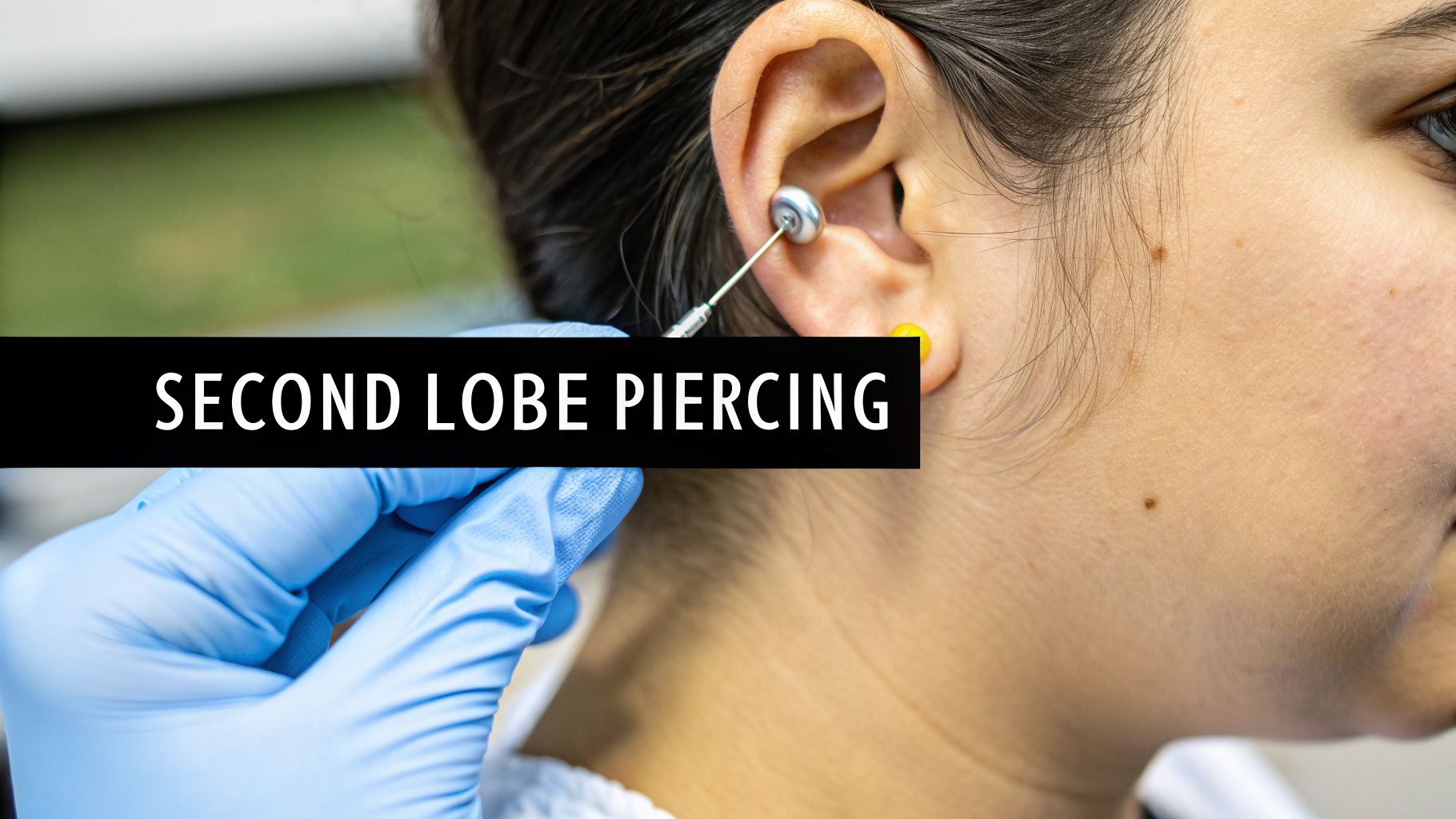
The first step in avoiding piercing rejection is understanding the anatomy of the area being pierced. Professional piercers study human anatomy thoroughly, including the various layers of skin, muscle, and cartilage. This knowledge helps them determine the most suitable placement for a piercing, ensuring that it won’t interfere with natural movement or cause unnecessary stress on the body. For example, piercing cartilage in areas like the ear requires extra precision because cartilage doesn’t heal as quickly or as easily as soft tissue. A piercer will assess your anatomy before placing the jewelry, ensuring that they aren't piercing through too thick a layer of tissue, which would increase the likelihood of rejection.
2. Choosing the Right Jewelry
The type and quality of jewelry used can significantly impact the healing process and the risk of rejection. Professional piercers typically use high quality materials, such as titanium, niobium, and 14k gold, which are biocompatible and hypoallergenic. These metals are less likely to irritate the body and are more resistant to corrosion or damage.
Moreover, the size and shape of the jewelry are carefully chosen to avoid unnecessary pressure on the piercing site. For instance, a piercer will ensure the jewelry is the right gauge and length for the area being pierced. If the jewelry is too tight, it can cause swelling, leading to potential rejection. If it’s too loose, it can move too much, irritating the piercing site and delaying healing. Proper jewelry is crucial in supporting the healing process and avoiding rejection.
3. Proper Aftercare
Once the piercing is in place, the aftercare process becomes paramount. Professional piercers provide detailed aftercare instructions to minimize the risk of complications. Proper aftercare helps the body adapt to the new jewelry, promotes healing, and reduces the chances of rejection.
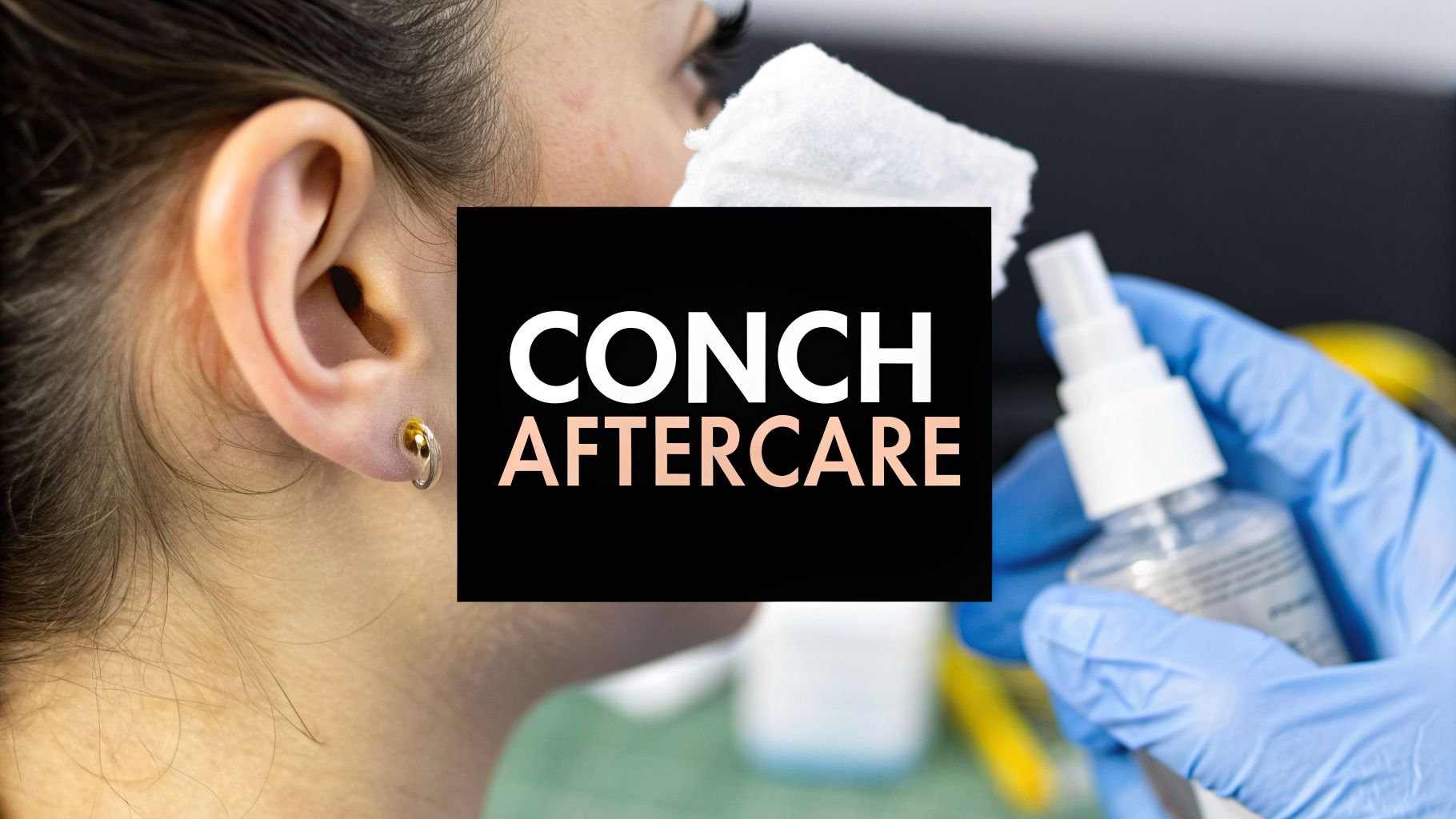
A key piece of advice from piercers is to avoid touching the piercing with dirty hands. Regular cleaning with a saline solution or piercing-friendly cleanser helps keep the area free from infection and promotes a healthy healing process. Avoiding harsh chemicals or alcohol-based products is also critical, as these can dry out the piercing and cause irritation. A piercer may also recommend avoiding unnecessary pressure on the piercing (like sleeping on it) and avoiding submerging it in unclean water (such as in swimming pools or hot tubs) until it’s fully healed.
4. Monitoring the Piercing for Signs of Trouble
A professional piercer doesn’t just place a piercing and forget about it, they actively monitor the healing process and encourage their clients to do the same. When you come in for a follow-up appointment, they will check the piercing for signs of irritation, infection, or signs that the body is rejecting the jewelry.
If a problem is spotted early, it can often be resolved before the body begins to force the jewelry out. For example, if a piercing is becoming irritated, the piercer might recommend switching to a different style of jewelry. If the client is showing signs of infection, the piercer may recommend additional care or advise them to consult a healthcare professional if necessary.
5. Avoiding Piercing in High Risk Areas
Some areas of the body are more prone to rejection than others. For instance, areas with a lot of movement or minimal tissue, such as the wrist or navel, are particularly susceptible. Similarly, cartilage piercings, like those in the nose or ear, are at a higher risk due to the reduced blood flow and slower healing process.
Experienced piercers may advise clients against getting a piercing in certain high risk areas, especially if they are known to be prone to rejection. For example, the belly button piercing, while a popular choice, can be more prone to rejection due to constant movement, tight clothing, and the possibility of infection in a warm environment. In these cases, a piercer may suggest alternative placement or a different style of jewelry that is less likely to lead to rejection.
6. Patient Education
A crucial part of any professional piercer’s job is educating clients. Piercers understand that much of the success or failure of a piercing depends on the client’s actions and awareness during the healing process. They typically stress the importance of patience. Piercings take time to heal, and rushing the process by changing jewelry too soon or by not allowing the piercing to fully settle can lead to complications.
The piercer may also provide advice on healthy lifestyle choices, such as maintaining a balanced diet and avoiding smoking, both of which can affect the body’s healing capabilities. Staying hydrated and getting plenty of rest also support the healing process and help avoid rejection.
Final Thoughts
Professional piercers are not only artists but also skilled practitioners who prioritize your health and safety. By understanding anatomy, using the right jewelry, providing detailed aftercare instructions, and monitoring the healing process, they help clients avoid the risk of piercing rejection. While rejection can still occur despite the best efforts, following these key practices minimizes the likelihood and helps ensure that your piercing remains a long-lasting, beautiful addition to your body. Always choose a reputable piercer, follow their advice, and take good care of your piercing, and you're much more likely to enjoy it for years to come.