



















You saw it online, froze mid-scroll, and thought, wait, what is that tiny glint between the fingers?
That’s the hand web piercing, and yes, it looks cool in that low-key, blink-and-you-miss-it way that makes piercing people do a double take. It’s subtle, a little rebellious, and way less common than a nostril or helix.
It’s also one of those piercings where the look is only half the story. Your hands move all day. They touch everything. They snag on everything. So if you’re curious about a hand web piercing, the best move is getting the full truth: what it is, who can wear it well, what jewelry helps, and how to give it the best possible chance.
So You've Spotted a Hand Web Piercing
A hand web piercing goes through the soft fold of skin between two fingers, most often between the thumb and index finger. It’s a type of surface piercing, which already tells you something important. It sits in tissue that isn’t as stable as places like the earlobe.
That’s why people get confused about it. It looks delicate and simple, so it’s easy to assume it behaves like a small, easy piercing. It doesn’t.
This piercing lives in one of the busiest spots on your body. You use your hands to type, drive, open doors, wash dishes, scroll, sleep, and carry bags. Every one of those motions can irritate a fresh hand web piercing.
Why people love it anyway
Some piercings are loud. This one is more sneaky-cool.
A hand web piercing stands out because it feels rare. It has that “how did I not think of that?” energy, and it can look elegant or edgy depending on the jewelry.
- It’s unexpected. Jewelry in the web of the hand is often unanticipated.
- It feels personal. It’s visible, but not in the same obvious way as a brow or lip piercing.
- It pairs well with minimal jewelry. A simple curved barbell can look clean and sharp.
A hand web piercing is one of those mods where the vibe is effortless, but the healing absolutely isn’t.
That doesn’t mean it’s off-limits. It means this is a piercing where smart choices matter more than ever.
Anatomy and The Perfect Placement
Your hand web has one job all day. Move.
It stretches when you grip a coffee cup, bunches when you type, and shifts every time you swipe, lift, wash, or carry something. A hand web piercing sits in tissue that behaves more like a flexible hinge than a quiet patch of skin, so placement has to respect that motion from the start.

Where the piercing usually goes
Most hand web piercings are placed in the fold between the thumb and index finger. That area usually offers the best chance of finding a narrow section of tissue that can hold jewelry without constant heavy pressure.
The goal is not to pierce the first bit of skin that looks pinchable. The goal is to choose a spot with enough tissue to support the jewelry while avoiding placement that gets pulled, compressed, or irritated every time the hand closes. Small differences matter here. A few millimeters can change how the jewelry sits when your hand is relaxed versus when it is in motion.
If you want a better feel for how studios assess anatomy and mark placement, BodyCandy’s guide on what to expect before a piercing appointment gives a helpful preview.
Why the sweet spot matters
Good placement gives this piercing its best shot. Bad placement sets it up for a rough start.
If the piercing sits too shallow, the jewelry has very little support and can start migrating early. If it sits where the tissue folds hard or twists with every movement, the area may stay angry even if you are doing your aftercare correctly. That is why experienced piercers study your hand at rest first, then while it opens and closes. They are checking how the tissue behaves, not just how the mark looks with a pen.
What a skilled piercer checks
A strong consult usually includes a close look at:
- Your natural web shape. Some hands have a cleaner, more stable fold than others.
- How the tissue moves. Spreading your fingers and bringing them back together changes tension fast.
- Where the jewelry will sit when your hand is relaxed. Resting position matters more than a dramatic pose.
- How much pressure the area gets in daily life. Gym grips, manual work, gaming, and even frequent handwashing can affect placement choices.
- Whether your anatomy is a realistic match. A good piercer may say no, and that can save you time, money, and a grumpy healing process.
Practical rule: If a piercer marks the spot quickly without watching your hand move, treat that as a red flag.
This is the positive, proactive part that many guides skip. Success with a hand web piercing starts before the needle ever comes out. The right anatomy, the right placement, and a piercer who is picky in the best way give you the strongest possible foundation for healing and keeping it.
Your Piercing Appointment What to Expect
Walking into the studio for a hand web piercing feels different from getting your ears done on a random afternoon. This one usually starts with a real conversation.
Your piercer will first look at your hand and tell you whether your anatomy can support the piercing. That part matters. A good professional won’t promise success just because you want the look.
The consult and setup
You’ll probably start by washing your hands thoroughly. Then the piercer cleans the area and gets their setup ready. For this kind of piercing, sterile technique matters a lot, because your hands meet the world all day.
Next comes marking. The piercer places entry and exit points so you can see where the jewelry should sit when your hand is relaxed. Don’t be shy here. Look at it from a few angles. Open and close your hand gently if they ask you to.
If you’re new to the studio experience in general, BodyCandy’s guide on what to expect and how to prepare for your first piercing is a solid refresher before your appointment.
The actual piercing
Once the placement is approved, the piercer uses a sterile, single-use needle. It happens fast. The sensation is often described as a sharp pinch followed by pressure.
Then the starter jewelry goes in. For a hand web piercing, that usually means a curved barbell with extra room for swelling.
The whole thing is over quickly, but what happens right after matters just as much.
What happens before you leave
Before you head out, your piercer should go over aftercare in clear, plain language. You want instructions you can follow when you’re tired, busy, and trying not to bump your hand on every object you own.
A good studio sends you home knowing:
- How to clean it
- What normal early swelling looks like
- What jewelry you should not change on your own
- When to contact them if something looks off
If they skip aftercare or act like this piercing is no big deal, that’s not a great sign.
Choosing Jewelry to Maximize Success
For a hand web piercing, jewelry is not just decoration. It’s part of the healing strategy.
Wrong shape, wrong fit, wrong material, and you’re setting up extra movement, irritation, and pressure in a spot that already deals with plenty of all three.
Start with shape, not sparkle
The best starter style for a hand web piercing is a curved barbell. That shape works better with the natural fold of the tissue and helps limit motion that can stress the piercing channel.
Experts recommend 14g to 12g jewelry, and they note that the barbell’s curvature should match the web anatomy to reduce torque from finger movement. They also recommend an initial post that is 4 to 6 mm longer to make room for swelling that peaks at 48 to 72 hours, according to the Painful Pleasures web piercing FAQs.

Material matters more than people think
This is not the moment for mystery metal.
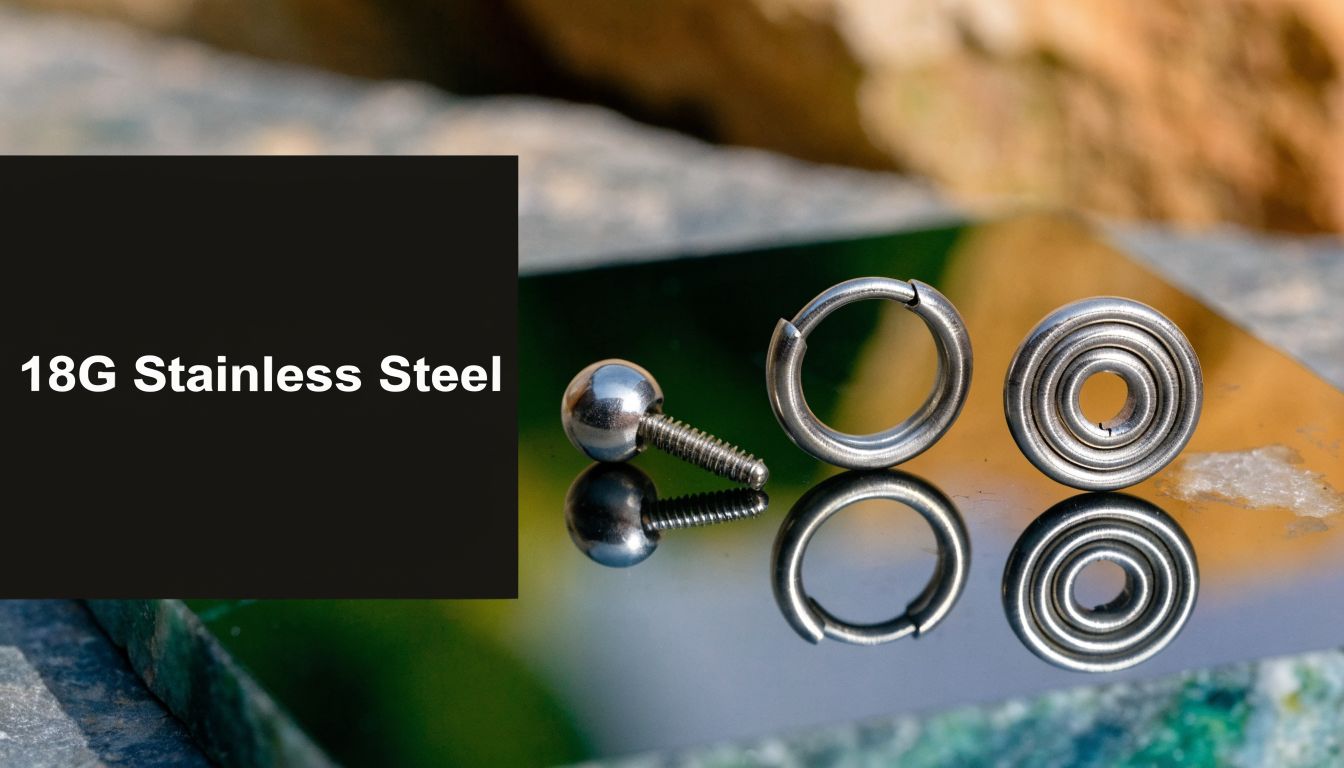
Implant-grade materials are the safer move because they reduce the odds of irritation from the jewelry itself. Verified guidance for hand web piercings specifically points to ASTM F-136 titanium and implant-grade steel as preferred options for fresh piercings in this high-motion area.
Here’s a simple breakdown:
| Jewelry choice | Why it works or doesn't |
|---|---|
| Curved barbell | Better for the hand’s natural shape |
| Ring or hoop | More spinning, pulling, and snagging |
| Implant-grade titanium | Strong option for sensitive skin |
| Implant-grade steel | Common quality starter option |
| Heavy decorative ends | More drag and more snags |
What about flexible jewelry
Once your piercer says the piercing is stable enough, some people prefer flexible materials for comfort in a high-movement area. That’s where options like BioFlex, Bioplast, or similar flexible styles come up in the conversation.
The appeal is pretty obvious. Less rigid jewelry can feel more forgiving in a spot that bends constantly. If you want a plain-language breakdown of flexible body jewelry, BodyCandy’s post on the benefit of Bioplast is worth a read.
That said, don’t switch yourself early just because something looks more comfortable online. Starter jewelry decisions should come from your piercer, based on swelling, angle, and how your tissue is behaving.
Smart style choices after healing settles
If you eventually style this piercing, keep it low profile.
- Choose small ends. Big beads and raised gems catch on everything.
- Stick with smooth finishes. Less texture means less friction.
- Skip dangling details. Cute in theory, annoying in real life.
- Stay shape-conscious. Even pretty jewelry has to sit correctly.
Jewelry that looks calm usually heals calmer.
For this piercing, that’s the whole game.
The Healing Journey and Aftercare
A hand web piercing heals in one of the busiest spots on your body. That means aftercare is less like tending a quiet ear piercing and more like protecting a tiny healing project in the middle of rush-hour traffic.
Healing usually takes a long time here, often many months, because the area keeps bending, brushing surfaces, getting washed, and bumping into everyday life. Patience helps, but a smart routine helps more.

Your daily routine
The goal is simple. Keep the area clean, dry, and as unbothered as possible.
That last part trips people up. With this piercing, “doing less” often works better than fussing over it all day. Constant checking, twisting, or scrubbing can irritate the channel more than it helps.
A steady routine usually looks like this:
- Rinse with sterile saline. Let it wash over the piercing gently instead of rubbing at it.
- Dry with clean paper products. Regular towels can leave behind lint and tug on jewelry.
- Wash your hands before any contact. If you have not washed up, do not poke at it.
- Leave the jewelry in place. Rotation is old advice, and this placement already deals with enough movement.
The first few weeks
This is the fussy stage.
You will notice how often your hands do little chaotic things. Pulling on a hoodie, reaching into a tote bag, carrying a laundry basket, opening jars, typing for hours, or sleeping with your hand folded under you can all annoy the piercing. Even a “small” snag can set the area back.
A good success plan is to reduce friction before irritation starts. Be deliberate for a while. Move slower when getting dressed. Watch sleeves and glove cuffs. Keep your hand out from under your pillow. If your piercer thinks movement is the main problem, they may suggest a temporary support strategy to limit extra pulling.
A weekly check beats hourly worrying
Checking it ten times a day usually creates stress, and sometimes extra touching too. A once-a-week photo or quick visual check gives you a better sense of whether it is settling down or getting angrier.
Ask yourself:
- Does it look calmer than last week?
- Have I snagged it or slept on it a lot?
- Is swelling going down, staying the same, or getting worse?
- Am I cleaning it consistently without overcleaning?
If you want a wider frame of reference, BodyCandy’s guide to healing times for popular piercings helps show how much more demanding high-motion placements can be.
The people who keep this piercing longest usually win by being boring, careful, and consistent.
What helps this piercing stay calmer
Small choices matter here because your hand never gets a full day off.
- Be mindful during hand-heavy tasks. Gym equipment, weight lifting, gaming, cleaning, and long typing sessions can all add pressure.
- Keep soap and skincare residue from sitting on it. Rinse well after handwashing.
- Use low-profile habits. Reach into pockets and bags slowly instead of dragging the jewelry across fabric.
- Treat every snag like a reset button. Go back to extra gentle care for the next day or two.
What to avoid
Some habits make this piercing much harder to keep.
- Do not sleep directly on your hand if you can avoid it.
- Do not wear tight gloves that press or rub over the jewelry.
- Do not pick off crusties. Let warm saline soften them first.
- Do not change or downsize jewelry on your own.
- Do not use harsh cleaners like alcohol or peroxide. They can dry out and irritate healing tissue.
A happy hand web piercing often looks a little plain and uneventful. For this placement, plain is a win.
Understanding Risks Rejection and Red Flags
A hand web piercing asks a lot from a tiny piece of skin. It sits in a spot that bends, presses, rubs, and gets bumped all day, so the main challenge is spotting trouble early enough to give it a fair shot.
That higher-risk reputation is real. The encouraging part is that rejection usually leaves clues before it fully takes over. If you know what those clues look like, you have a much better chance of making smart choices fast instead of hoping for the best.

What rejection can look like
Rejection means your body is slowly treating the jewelry like a splinter and pushing it outward. With a hand web piercing, that process can be sneaky.
Keep an eye out for:
- Entry and exit holes that look wider than they did before
- More of the jewelry becoming visible under the skin
- Skin over the bar looking thinner or tighter
- The piercing sitting more shallowly or at a different angle
- A piercing that never seems to settle, even when you baby it
A good way to judge it is to compare photos. Take one straight-on picture every week in the same lighting. Tiny changes are easy to miss in the mirror, but much easier to catch side by side.
What irritation can look like instead
Hand web piercings get annoyed easily. One bad snag, a long workout, gripping weights, carrying grocery bags, even a full day of keyboard time can leave it sore and puffy.
Irritation usually acts more like a grumpy roommate than an eviction notice. It flares up after a clear cause, then calms back down with gentle care. Rejection keeps trending in the wrong direction. The piercing looks shallower, more exposed, or more migrated over time.
Rejection versus infection
These problems can overlap, but they are not the same.
| Issue | Common pattern |
|---|---|
| Rejection | Jewelry shifts closer to the surface, skin thins, holes stretch |
| Infection concern | Heat, stronger swelling, unusual discharge, throbbing pain, feeling sick |
If the area is hot, increasingly swollen, leaking thick discharge, or making you feel unwell, contact your piercer promptly. If they suspect infection, they may tell you to get medical care.
Red flags that mean “check in now”
Some situations deserve quick attention, not wait-and-see energy.
- The bar suddenly looks much longer because the tissue around it is thinning
- One side looks like it is rising or pulling forward
- The skin between the two ends looks shiny, strained, or fragile
- You had a hard snag and the piercing has looked off ever since
- Pain and irritation keep building instead of easing
This piercing rewards fast course correction. Sometimes that means changing habits for a few days. Sometimes it means your piercer may recommend different jewelry, such as a more forgiving material or fit, to reduce pressure while it calms down. Sometimes it means retiring the piercing before it leaves a bigger scar.
If the piercing keeps getting shallower, get your piercer’s eyes on it as soon as you can.
That is the success-plan mindset for hand web piercings. Stay observant, act early, and do not treat warning signs like background noise.
Finding Your Piercer and Final Words
For a hand web piercing, your piercer is the whole foundation. A great jewelry choice can’t fix weak placement, and great aftercare can’t erase a rushed technique.
You want someone experienced with surface-style placements, comfortable saying no if your anatomy isn’t a match, and able to show you healed results, not just fresh photos. If they brush off the risk of rejection or act like this is basically the same as an earlobe, keep looking.
Questions worth asking
Bring these to your consult:
- How often do you do hand web piercings?
- Can I see examples of healed ones?
- What starter jewelry shape and material do you use?
- How do you decide placement on different hands?
- What do you want me to watch for during healing?
A good piercer won’t be annoyed by those questions. They’ll probably be relieved you asked.
The hand web piercing is bold, weird in the best way, and very much a commitment piece. If you go in with realistic expectations, a strong piercer, and patience, you give yourself the best shot at wearing it well.
Hand Web Piercing FAQs
How much does a hand web piercing hurt
Pain is personal, so nobody can promise your exact experience. It is often described as a quick pinch because the tissue is thin, but the annoying part is often the healing soreness since your hand keeps moving all day.
Can I still type or play an instrument
Usually yes, but you’ll need to be careful. Go lighter than usual at first, watch your hand position, and pay attention to whether the jewelry gets bumped or compressed during repetitive movement.
What do I do if I snag it
Stay calm and look at it closely. If it’s only a little tender, rinse with saline and baby it for a few days. If there’s tearing, bleeding, or the jewelry shifted a lot, contact your piercer as soon as you can.
Ready to plan your next look with smarter jewelry choices? Browse BodyCandy for body jewelry styles that help you keep things cute, comfortable, and low-drama, and if you’re still deciding on your hand web piercing, save your favorites now so you’ve got inspiration when your piercer gives you the green light.