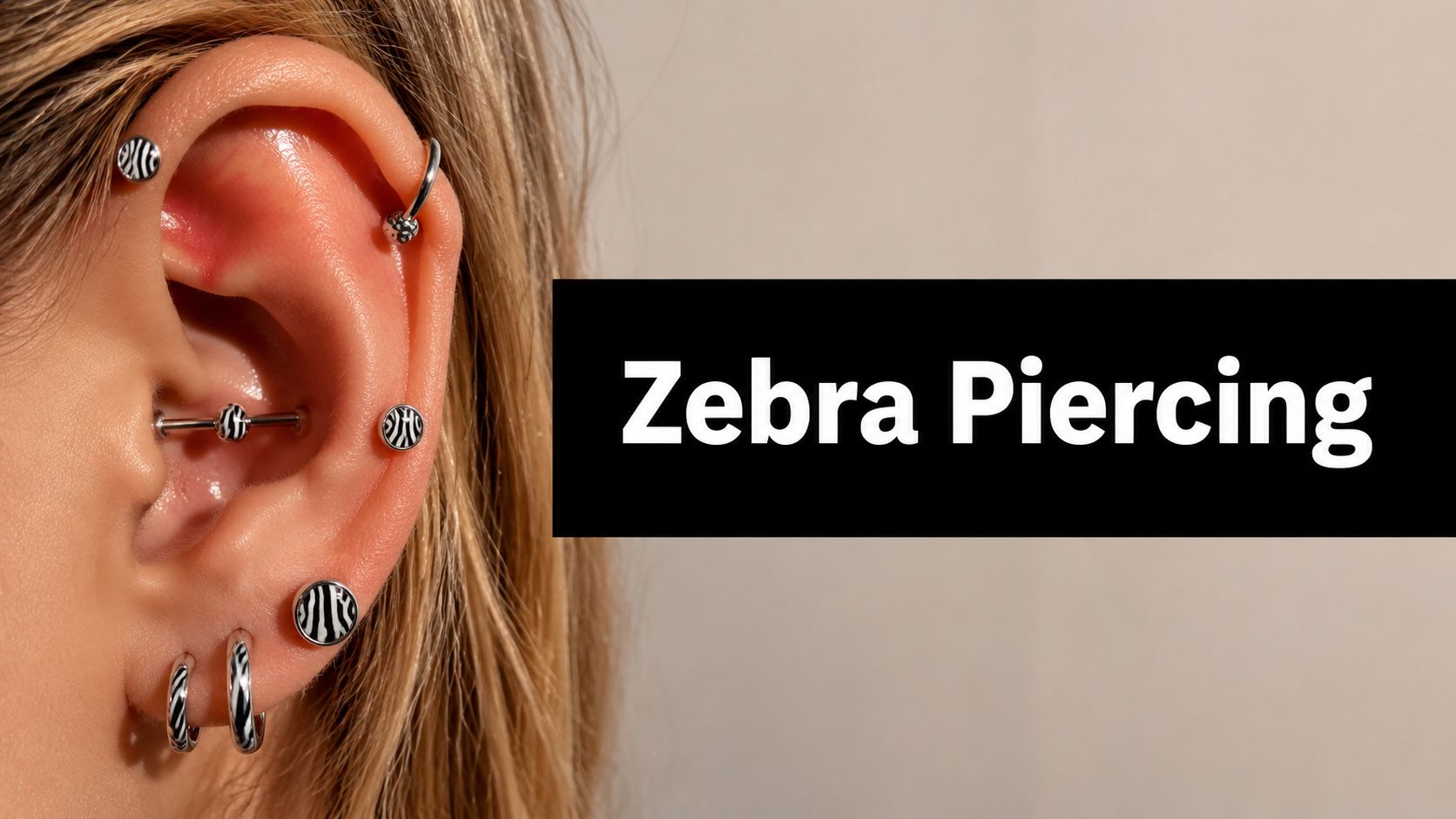








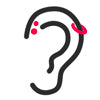
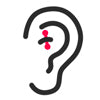





You're probably here because you've seen a helix hoop, a tiny tragus stud, or a clean conch ring on another guy and thought, yeah, that looks good. Then the questions hit. Which piercing works for your ear? What jewelry looks sharp instead of random? What material won't annoy your skin?
That hesitation makes sense. A lot of advice around cartilage earrings is still weirdly generic, and it doesn't always answer the stuff men want to know, like how to keep the look subtle, how to avoid jewelry that reads too flashy, and how to choose a piece that fits your ear instead of fighting it.
Cartilage earrings for men work best when you treat them like part of your overall style, not an afterthought. The right placement, the right metal, and the right size can make a single small piece look intentional and cool. Get those wrong, and even expensive jewelry can feel off.
So You Want a Cartilage Piercing
You spot a guy at the gym, barbershop, or office with a small hoop high on the ear, and it just works. It looks sharp, low-key, and intentional. Then your brain starts firing off the usual questions. Will that suit my ear? Will it look clean or try-hard? What if I pick the wrong piece and end up hating it?
That's the point where a lot of guys stall out.
Cartilage earrings for men sit in a sweet spot. They add character without asking you to change your whole style. One well-chosen piece can do the job a watch or chain does. It adds detail, but it still feels like you.
Why the first decision feels harder than it should
The tricky part is that a cartilage piercing is not just one choice. It's a set of choices that all affect the final look. Placement changes how visible it is. Jewelry shape changes the mood. Metal and size affect comfort, healing, and whether the piece looks sharp on your ear or slightly off.
That's also why generic piercing advice misses the mark for a lot of men. Plenty of guys are not trying to build a full curated ear right away. They want a piercing that fits their face, haircut, job, and personal style without feeling flashy.
A good first cartilage piercing should feel like a natural extension of your look. If it feels forced, you probably picked the wrong spot, the wrong jewelry, or both.
One clean, well-fitted piece usually looks more confident than a handful of random ones.
The right mindset before you book
Start with real-life wear, not fantasy styling. Ask yourself what you would keep in every day, not just what looks good in a close-up photo online.
These three filters help:
- Your everyday style: If your clothes are simple, clean jewelry usually works best too. A slim hoop or small flat-back stud tends to look more natural than anything bulky or overly decorative.
- Your patience level: Cartilage can be slow to heal. If you know you sleep on that side, touch your ears a lot, or change your mind fast, keep your first choice straightforward.
- How visible you want it to be: A buzz cut, fade, or tucked-back hair makes ear jewelry stand out more. Longer hair can make the same piercing feel quieter.
Ear shape matters too. Not every placement suits every ear, and that's normal. A skilled piercer should look at your anatomy the same way a good barber looks at head shape before starting a cut. If you want a quick anatomy refresher before booking, this ear cartilage piercing guide covering common names and jewelry types helps.
The goal is simple. Pick a piercing you'll still like once the novelty wears off. That's how you end up with something that looks solid on you, not just trendy on someone else.
Choosing Your Cartilage Piercing Placement
Placement is the foundation. Before you worry about gemstones, black titanium, or a clicker ring, you need to decide where the piercing should live on your ear.
Some spots feel low-key. Others make more of a statement. The best choice usually comes down to how visible you want it to be and what kind of jewelry you want to wear long term.

If you want a broader breakdown of names and anatomy, this ear cartilage piercing guide from BodyCandy is a handy companion.
Helix
The helix sits on the outer upper rim of the ear. If you've noticed a guy wearing a small hoop high on the ear, that was probably a helix.
This is one of the easiest cartilage placements to style because it works with both studs and hoops. It can look minimal, polished, or slightly rebellious depending on the jewelry. A flat stud keeps it subtle. A slim clicker ring gives it more bite.
Best for: Guys who want a versatile first cartilage piercing.
Style vibe: Clean, visible, easy to build on later.
Tragus
The tragus is the small flap of cartilage right in front of the ear canal. It's tiny, which is exactly why a lot of men like it.
A tragus piercing tends to look more understated than a helix. It suits a small stud especially well and can feel almost custom-made for minimalist style. If you want something people notice up close rather than across the room, this one does that.
A tragus stud often looks better when it's simple. Tiny bead, flat disc, or a small gem. Anything oversized can crowd the area fast.
Conch
The conch sits in the inner bowl of the ear. This placement has range. You can wear a stud for a more controlled look, or later switch to a hoop that wraps around the outer ear for more impact.
For men, the conch often hits a sweet spot between subtle and bold. It's not as instantly obvious as a helix, but it has more presence than a tragus once styled right.
Best for: Guys who want one piercing with room to evolve.
Style vibe: Strong, modern, slightly more fashion-forward.
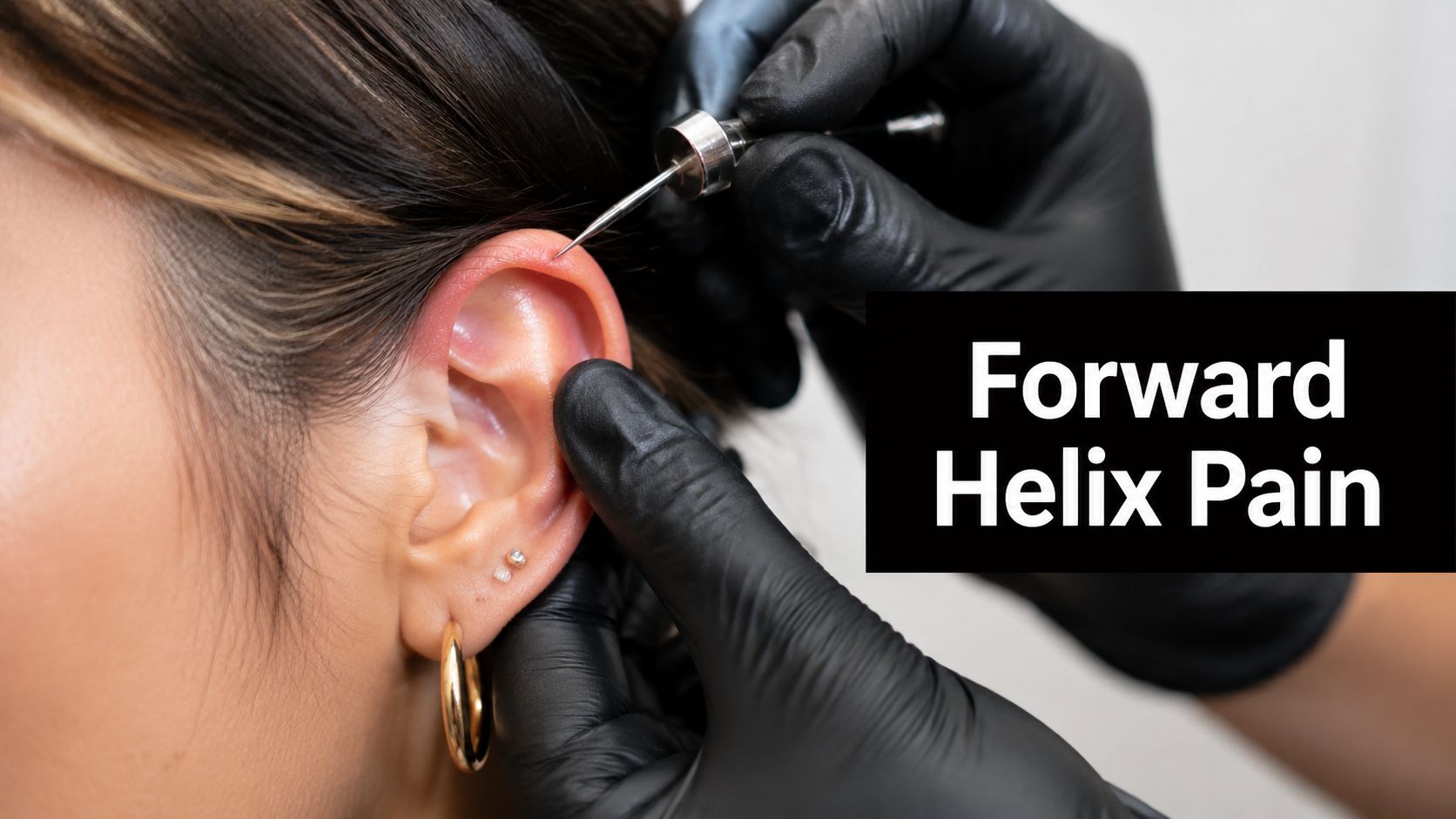
Forward helix, rook, and daith
These placements can look great, but they're a little more specific.
- Forward helix: Sits near the front of the upper ear. Good if you like a precise, detail-focused look.
- Rook: Tucked into the inner ridge. Feels more niche and architectural.
- Daith: Deep in the inner fold of the ear. Usually chosen by people who want something less common.
Here's a quick gut-check table:
| Placement | Visibility | Typical vibe | Great first choice |
|---|---|---|---|
| Helix | High | Versatile and sharp | Yes |
| Tragus | Medium | Minimal and discreet | Yes |
| Conch | Medium | Bold but controlled | Yes |
| Forward helix | Medium | Technical and modern | Maybe |
| Rook or daith | Lower | More niche | Maybe |
If this is your first go, helix, tragus, and conch are usually the easiest placements to live with stylistically.
Picking the Right Material for Your Earring
Material matters more than most first-timers think. It affects comfort, wearability, and how likely you are to have an irritated ear that makes you regret the whole thing.
Here, you want to be picky. Not snobby. Picky.

If you want a deeper primer on one of the most popular options, BodyCandy has a useful explainer on titanium body jewelry.
Titanium
If you've got sensitive skin, titanium is the safest place to start. It's the most highly recommended material for men's ear piercings because it's nickel-free, which makes it ideal for people who react badly to nickel in other metals, according to Abelini's guide to men's earrings and materials.
That nickel-free part is huge. A lot of people say they have “sensitive ears” when what they really have is a bad reaction to certain metal blends.
What titanium does well
- Comfort: Good choice if your skin gets angry fast.
- Everyday wear: Lightweight and easy to forget once it's in.
- Look: Clean, modern, usually works with minimalist styling.
Surgical steel and the implant-grade question
Surgical steel is common, affordable, and easy to find. Plenty of people wear it without any trouble. But you'll want to read product descriptions carefully instead of trusting buzzwords.
There's a real information gap around implant-grade materials in men's cartilage jewelry. Retailers such as Cords Club market implant-grade options for safety, but there was no independent clinical study in 2024 to 2025 quantifying cartilage irritation rates in men using these materials versus standard surgical steel, even as demand for hypoallergenic jewelry in the US and EU rose 18% in 2024, according to an industry-trend summary discussing implant-grade cartilage jewelry.
That doesn't mean implant-grade claims are fake. It means the average buyer shouldn't treat marketing language like hard proof.
Practical rule: If your skin is reactive and you don't want to gamble, titanium is usually the easier call.
Gold and other options
Gold can look incredible in cartilage piercings, especially if your style leans warm, refined, or less industrial. The catch is quality. You want solid, body-safe jewelry, not mystery metal hiding under plating.
You may also run into flexible alternatives like Bioplast or similar materials. These can have their place for comfort in specific situations, but for a first cartilage piece, it's generally advisable to choose a proven metal option and stick with it.
Here's the short version:
| Material | Why people choose it | Watch for |
|---|---|---|
| Titanium | Nickel-free, comfortable, solid first choice | Usually less flashy if you want a luxe look |
| Surgical steel | Common and budget-friendlier | May not suit sensitive skin |
| Gold | Rich look, strong style value | Quality matters a lot |
If you want the least drama, go simple and skin-friendly first. You can always get fancier later.
Finding Your Style and Size
Cartilage earrings for men stop being just a piercing and start becoming part of your look. The same placement can read completely differently depending on whether you choose a tiny flat-back stud, a snug clicker hoop, or a chunkier ring with more visual weight.
In 2025, stud earrings and hoops remain the dominant styles for men, while mixed-metal and statement designs are gaining traction in niche markets, according to male earring trend reporting at Accio. That tracks with what you see in real life. Most guys start with something simple, then branch out once they know what suits them.

The easiest style choices to get right
A lot of men do best starting with one of these:
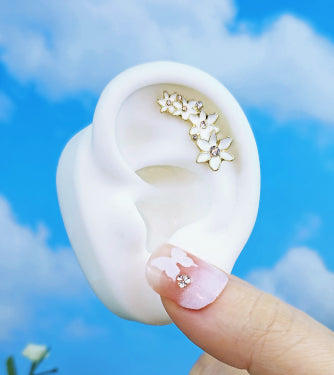
- Flat-back stud: Best for a clean, understated look. Great in tragus, helix, and conch.
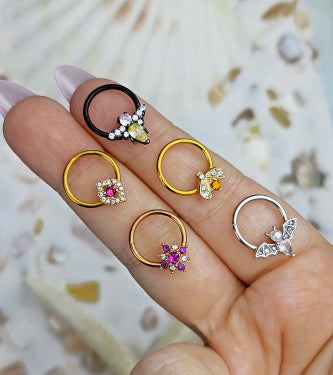
- Clicker hoop: Sleek and easy to style. Especially good in helix or conch.
- Small ball-end stud: Slightly more classic, a little less modern than a flat-back, but still reliable.
- Simple black or silver finish: Hard to mess up and easy to match with watches, rings, or chains.
If your goal is subtle, a stud usually wins. If you want more edge, a hoop changes the whole energy.
Size changes everything
A lot of first purchases go wrong because the style is fine, but the size is off. A ring that's too big can look sloppy. A stud that's too bulky can overwhelm a small placement.
Two sizing terms matter most:
| Term | What it means | Why you care |
|---|---|---|
| Gauge | The thickness of the post | It has to match your piercing |
| Diameter or length | The size of the ring or stud post | It affects fit and comfort |
For cartilage, you'll often hear people talk about 18g and 16g jewelry. Those are common sizes in cartilage piercing conversations, and your piercer should tell you exactly what your piercing was done with. Don't guess when buying online.
A quick style story
Say you've got a short fade, mostly wear black tees, denim, and a chain. A tiny silver tragus stud will probably disappear into your look in a good way. It adds detail without trying too hard.
Now switch that to a single helix hoop. Same guy, same clothes, but the ear suddenly looks more styled. Not louder. Just more deliberate.
The best cartilage earring doesn't scream for attention. It makes people think your whole look is sharper.
If you're choosing your first piece, buy for everyday wear, not for the version of you that dresses up twice a year.
How to Style Your Cartilage Earrings
You get the piercing, it heals up, and then the key question shows up in the mirror. Does this thing work with your face, your haircut, and the way you dress, or does it look like you picked it at random?
That styling hesitation is common. As noted earlier, a lot of men are interested in cartilage piercings but still feel unsure about how to wear them in a way that looks sharp, masculine, and natural on them. Generic styling advice usually skips the part men care about, which is how to make the piercing feel intentional instead of forced.

A quick visual helps, especially if you are deciding between one clean piece and a more built-out ear.
Three style formulas that actually work
You do not need ten earrings and a complicated stacking plan. You need one setup that fits your look the same way the right sneakers finish an outfit.
The clean everyday setup
Go with one small silver, black, or titanium stud in the tragus, or one tight helix hoop.
This setup suits guys who wear basics, work around clients, or want their piercing to read as detail rather than centerpiece. It says you made a choice, not that you are trying to prove a point.
The two-piece setup
Pair a tragus stud with a helix hoop. If you already wear a lobe earring, a conch stud plus a small lobe hoop also works well.
This gives the ear shape. One piece anchors the lower part of the ear, the other draws the eye upward. The result feels styled without looking busy.
The standout setup
Use one stronger piece, usually a conch hoop, then support it with a smaller stud higher up.
This works best if the rest of your accessories stay simple. If your ear has the main visual weight, let your chain, watch, and rings play a supporting role.
What makes a setup look intentional
Good styling usually comes down to four things.
- Match your overall vibe: Clean metals and simple shapes usually look sharper than ornate designs.
- Repeat a metal tone: If your watch buckle, chain, or ring is silver, silver in the ear usually makes the whole look feel connected.
- Use your haircut to your advantage: Buzz cuts, fades, and undercuts put the ear on display. Medium or longer hair softens the effect of a hoop or larger stud.
- Respect negative space: One strong piece with room around it often looks better than filling every available spot.
A well-styled ear works like a good tattoo placement. The empty space matters almost as much as the jewelry.
The part a lot of guys miss
Your jewelry has to fit your proportions, not just your piercing. A hoop can be technically correct and still look off if the diameter is too wide for your ear. A stud can be high quality and still feel clunky if the top is too large for a tight placement like the tragus.
Smaller ears usually look better with tighter hoops and low-profile studs. Larger ears can often carry a little more size without the jewelry taking over your face. That is why the same piece can look crisp on one guy and awkward on another.
If you are unsure, ask a piercer to help you compare proportions before you buy. A professional piercing checklist for choosing a good piercer can help you find someone who will give honest sizing and styling input instead of just selling you whatever is in the case.
The best cartilage styling looks like it belongs to you already.
That is the goal. Your earring should look like part of your personal style, not a costume piece you are testing out for the weekend.
Aftercare and Smart Shopping Tips
A fresh cartilage piercing can look great on day one and still become a pain if you treat it casually. Cartilage has less give than the lobe, so patience matters.
You don't need an elaborate routine. You need a consistent one.
Keep aftercare boring
The best aftercare is simple enough that you'll readily stick with it.
- Clean gently: Use sterile saline and keep your hands off unless you're cleaning.
- Don't twist or rotate it: Cartilage doesn't need that kind of “help.”
- Watch your sleeping side: Pressure can make a healing piercing miserable.
- Avoid random product experiments: Harsh cleaners, heavy ointments, and DIY fixes usually create more problems.
If your piercing gets bumped, caught on headphones, or snagged by clothing, baby it for a bit and stop touching it.
Healing goes smoother when you stop checking on it every hour.
Respect the timeline
People love to rush ear healing. Cartilage usually punishes that.
A good reminder comes from stretching advice. For ear stretching, the recommended waiting period between gauge increases is 2 to 6 months depending on individual body factors, which shows how much time and patience healthy ear modification can require, according to Trendhim's beginner guide to men's earrings.
You're not stretching your cartilage piercing, but the lesson still applies. Ears often need more time than people want to give them.
Shop smarter online
Buying cartilage jewelry online gets much easier when you know what to check before you hit add to cart. A good baseline is the kind of guidance in this professional piercer checklist from BodyCandy, especially if you're still choosing where to get pierced.
Use this quick buying checklist:
- Confirm the material: Look for clear metal details, not vague wording.
- Check the gauge: It needs to match your piercing.
- Read the closure type: Flat-back, clicker, push-pin, and threaded styles all wear differently.
- Look at dimensions: Diameter and wearable length matter as much as the design.
- Think about real life: If you wear helmets, earbuds, or sleep on one side, choose lower-profile jewelry.
A smart first buy is usually small, simple, and easy to live with. Once you know how your ear heals and what shape suits you, then start experimenting.
Ready to build a look that fits your style? Browse BodyCandy for cartilage jewelry, flat-back studs, and hoops that make it easy to start simple or level up your ear game. If you've still got questions, keep digging into the guides and find the piece that feels right for you.