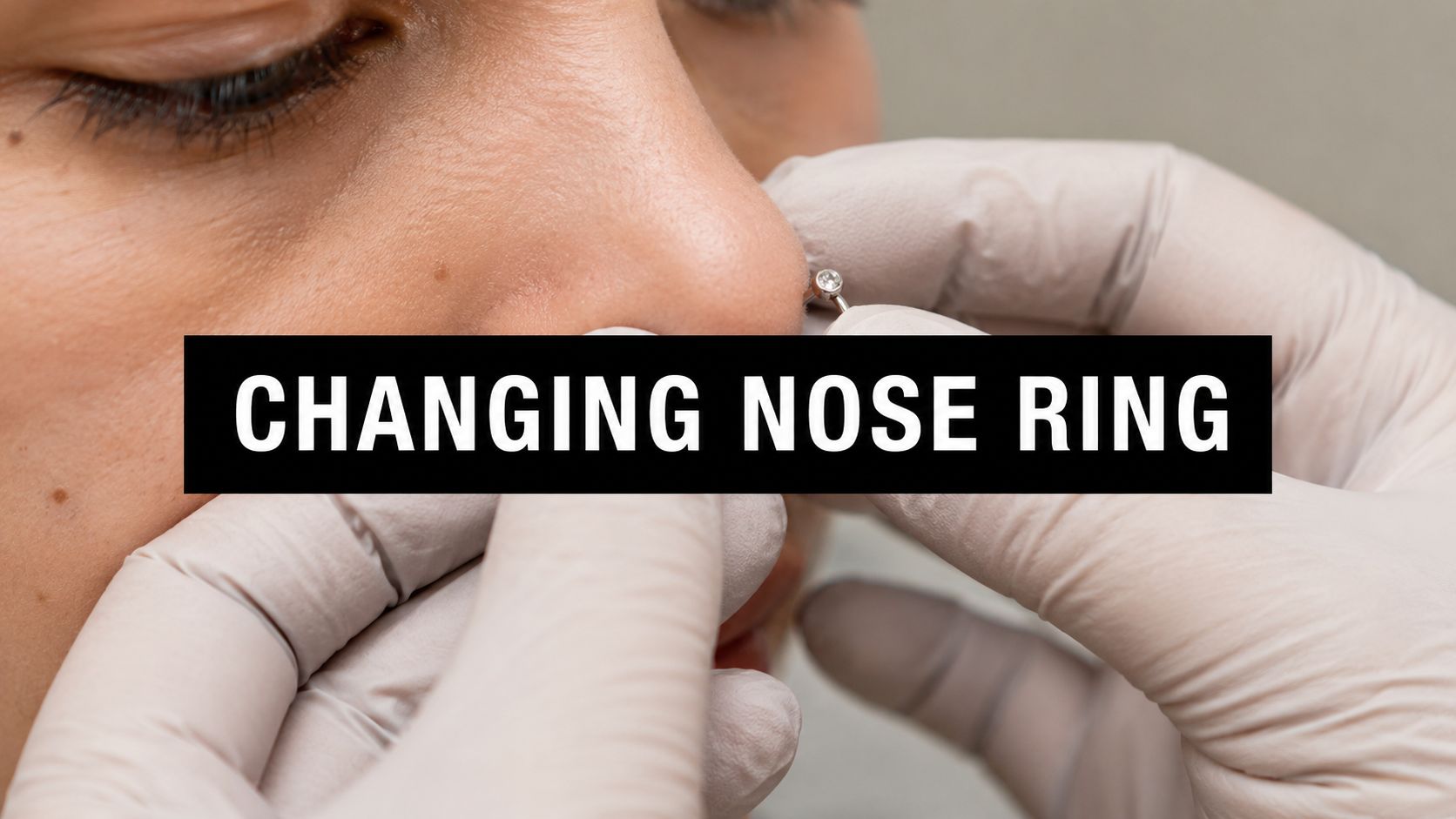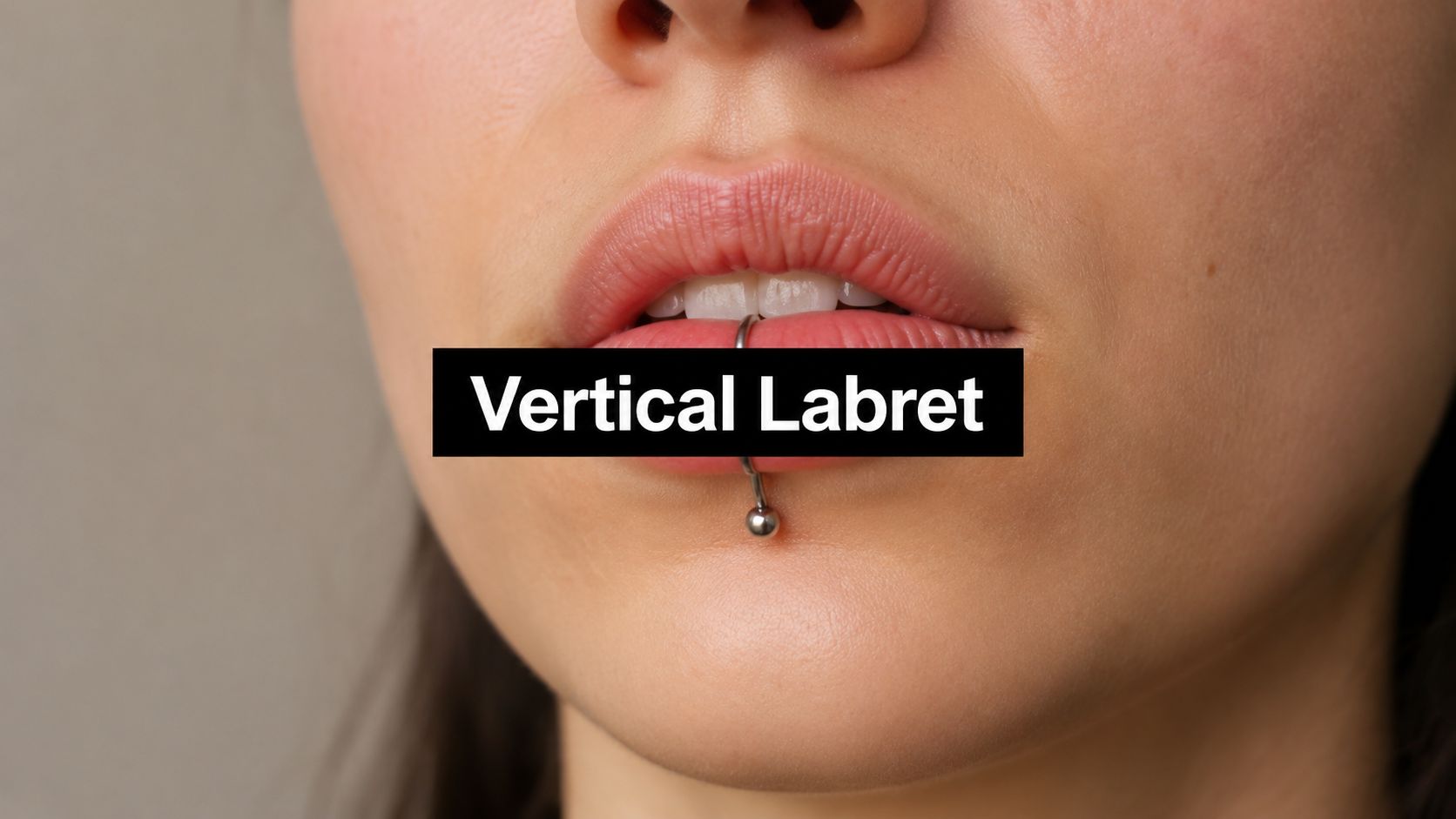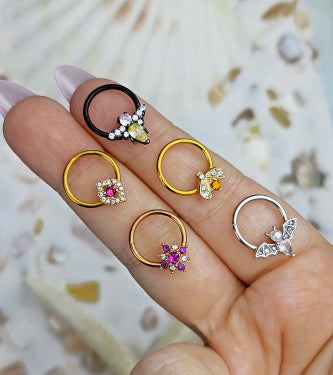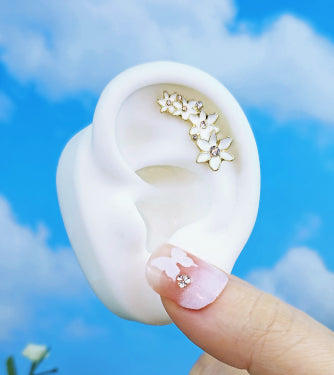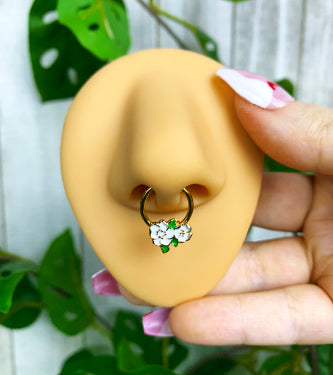




















You buy a cute new nose hoop, belly ring, or cartilage stud. It looks glossy, clean, expensive. Then a few weeks later it starts looking tired. The shine fades, the surface gets dull, and suddenly your jewelry has that weird “why do you look different?” vibe.
That's the moment a lot of people start searching for anti tarnish jewelry.
And that search can get messy fast. Brands throw around words like waterproof, sweatproof, hypoallergenic, and non-tarnish like they all mean the same thing. They don't. For body jewelry, that difference matters even more because your piece isn't just sitting on your outfit. It's pressed against skin, exposed to moisture, and sometimes worn around the clock.
Tired of Jewelry That Dulls Your Sparkle
You're not being picky if tarnish bugs you. A belly ring that loses its glow or a nose ring that turns patchy can make the whole look feel off, even if the design is still adorable.
For body piercing wearers, the frustration hits harder. Regular fashion jewelry might only need to survive a dinner date or a weekend out. Body jewelry has a tougher job. It deals with sweat, skin oils, showers, humidity, and all the random little things your day throws at it. That's why two pieces that look almost identical online can behave very differently once you start wearing them.

What anti tarnish really means
One of the biggest points of confusion is simple. Anti tarnish does not always mean tarnish proof. Industry guidance notes that the term covers different treatments with different durability profiles, and many consumer articles treat them as equal even though body jewelry faces constant skin and moisture exposure in this industry discussion of anti-tarnish options.
That means one anti-tarnish piece may rely on a coating. Another may rely on the base metal itself. Another may combine both.
Practical rule: If a product only says “anti-tarnish” but doesn't explain the material or finish, you still don't know enough.
Why body jewelry needs a stricter standard
A necklace can get away with more than a nostril hoop can. Jewelry worn in or against a piercing has to do two jobs at once:
- Stay attractive: It should keep its color and shine.
- Stay skin-friendly: It should behave well against sensitive skin.
- Hold up to wear: It should resist moisture, friction, and daily movement.
That's why smart shopping starts with a mindset shift. Don't ask only, “Will this tarnish?” Ask, “What is this made of, what coating does it use, and is it suitable for a piercing?”
Why Your Fave Jewelry Gets That Funky Tarnish
Tarnish is basically silver's version of a bad mood. It happens when the metal reacts with stuff in its environment.
With sterling silver, the chemistry is pretty specific. Silver reacts with atmospheric sulfur to form silver sulfide, which is the dark layer you see on the surface. That's the science-y reason your once-bright piece starts looking smoky or blackened.
The simple version
Think of tarnish like a film building up on the outside of the metal. The jewelry underneath is still there, but the surface has changed. That's why tarnish often shows up as:
- Darkening
- Yellowing or dullness
- Uneven patches
- A loss of crisp shine
Your body can speed this up. Sweat, skin oils, lotion, soap residue, and moisture all make jewelry work harder. That's especially true with piercings because the jewelry sits close to skin for long stretches.
Why body jewelry tarnishes faster than you expect
Body jewelry lives in a high-contact environment. A ring in a jewelry box has a pretty easy life. A belly ring during summer, a nose hoop you never take out, or a stud exposed to skincare has a much rougher schedule.
Sterling silver is a classic example. The chemical mechanism involves silver (Ag) reacting with atmospheric sulfur (H2S) to form silver sulfide (Ag2S), a black layer. One anti-tarnish response is e-coating, which adds a thin, clear ceramic layer measuring 0.5 to 1.0 microns and has been shown to keep jewelry looking fresh for up to 4 times longer in exposure conditions like chlorinated water or household cleaners, as described in this industry summary on silver tarnish chemistry and e-coating effectiveness.
Tarnish doesn't mean you did something wrong. It usually means the metal or finish wasn't a great match for how you actually wear your jewelry.
The everyday culprits
A few things commonly push tarnish along faster:
- Moisture from showers, humidity, and sweat
- Product buildup from lotion, perfume, cleanser, and hair products
- Constant friction from sleeping, changing clothes, or movement at the piercing site
If you've ever wondered why one earring stays fine while your belly ring looks rough, this is usually the answer. Wear conditions matter just as much as the label.
The Secret Weapons A Guide to Anti Tarnish Materials
Some anti-tarnish jewelry fights discoloration because of the metal itself. Other pieces rely on a protective finish. The trick is knowing which is which.

Naturally resistant metals
If you want the low-drama route, start with metals that already resist corrosion well.
Titanium is a favorite for sensitive skin because it's lightweight and widely considered a strong choice for body jewelry.
Stainless steel is also popular for durability and everyday wear.
Niobium gets love from piercing fans who want a skin-friendly option with color potential.
Solid gold can also be a good choice, depending on the alloy and quality.
If you want a deeper primer on body jewelry metals in general, BodyCandy has a useful guide on what metal body jewelry is made of.
Coatings that do the heavy lifting
Some jewelry gets its anti-tarnish power from a surface treatment rather than the core metal.
A common one is PVD coating. In anti-tarnish applications, Vapor Phase Deposition using Titanium Nitride creates a barrier that is 1 to 3 micrometers thick, helping block oxidation. Benchmark data says PVD-coated stainless steel retains its luster for 1 to 2 years longer than uncoated equivalents under high-sweat exposure conditions, which is especially relevant for body jewelry in this overview of PVD coating performance for body jewelry.
Later in this section, here's a quick visual explainer on the differences people often miss.
Another option is e-coating, which acts more like a clear ceramic shield. In mass-market sterling silver, anti-tarnish technologies such as electric e-coating have become widely used since the early 2000s, and industry analyses say tarnish resistance is now treated as a key quality milestone for over 40% of mass-produced sterling silver items sold in major markets like the US and UK. Those same analyses describe e-coating as the most popular anti-tarnish option for sterling silver body jewelry and say it can extend wearable lifespan by up to 300% compared with uncoated items.
Argentium and specialty silver
If you love the look of silver but hate the upkeep, Argentium is worth knowing. It's an anti-tarnish silver alloy developed after a decade of research, achieved in 2006, with commercial launch in 2007. Argentium contains 93.5% silver and 0.5% germanium, and lab testing found it retained luster for over 500 hours in accelerated tarnish chambers, while standard sterling silver began to tarnish visibly within 200 hours. That's a 2.5x performance improvement, and by 2015, over 12% of new sterling silver body jewelry lines in the US market had adopted it.
Anti-Tarnish Jewelry Materials Compared
| Material/Coating | How it Works | Best for Sensitive Skin? | Best for New Piercings? |
|---|---|---|---|
| Titanium | Naturally corrosion-resistant base metal | Often yes | Often preferred |
| Stainless steel | Durable, corrosion-resistant metal | Sometimes, depends on grade and sensitivity | Sometimes |
| PVD-coated titanium or steel | Adds a hard barrier that helps prevent oxidation | Can be good, but depends on base material | Better for healed piercings in many cases |
| E-coated sterling silver | Adds a clear ceramic seal over silver | Better for appearance than raw silver, but silver still needs careful consideration | Usually not the first pick for fresh piercings |
| Argentium silver | Silver alloy engineered to resist tarnish better | Can suit some wearers | Usually more of a style choice than a healing-phase default |
Better anti-tarnish performance and better piercing safety can overlap, but they are not the same thing.
The Real Deal Pros and Cons for Your Piercings
Marketing language demands a reality check. A piece can resist tarnish and still be a poor choice for a piercing, especially a fresh one.
That doesn't mean anti-tarnish finishes are bad. It means you need to separate appearance claims from skin-contact claims.

What anti-tarnish gets right
Anti-tarnish finishes can make a real difference in day-to-day wear.
- Less discoloration: Your jewelry keeps a cleaner look longer.
- Lower maintenance: You won't need to baby it as much.
- Better surface protection: Coatings can help block moisture and environmental exposure.
PVD is a good example. Titanium Nitride PVD creates a chemically inert barrier and can raise surface hardness to over 800 HV, while also helping with tarnish resistance on body jewelry surfaces.
Where people get tripped up
The problem starts when shoppers see words like waterproof or hypoallergenic bundled together and assume they all mean the same thing. They don't.
There's growing tension between low-maintenance marketing and skin-safety reality. Consumer guidance points out that tarnish resistance does not automatically mean a material is nickel-free, biocompatible, or suitable for fresh piercings in this discussion of non-tarnish jewelry claims versus wearability.
A shiny finish protects your look. The base material protects your skin.
My piercing-friendly rule of thumb
If the piercing is new, healing, cranky, or prone to irritation, prioritize the material touching your body first. Tarnish resistance comes second.
That usually means asking questions like:
- What is the base metal?
- Is the piece coated, plated, or solid throughout?
- Is it meant for healed piercings or fresh ones?
- If the finish wears, what metal is underneath?
For healed piercings, anti-tarnish coatings can be a fun option if the underlying material is solid. For fresh piercings, I'd be much more cautious about anything that sounds great in a product title but gets vague in the description.
How to Shop Smart for Anti Tarnish Jewelry
Shopping gets easier once you know what to scan for. You don't need a metallurgy degree. You just need a sharp eye and a tiny bit of skepticism.
Read the product page like a pro
Start with the material line, not the product photo. Look for specific terms like titanium, 316L stainless steel, PVD-coated titanium, or sterling silver with e-coating. Specific beats vague every time.
Be cautious with labels like:
- Metal alloy
- Gold plated
- Silver tone
- Hypoallergenic without the actual metal listed
A better listing tells you both the base material and the finish.

Use a simple shopping checklist
When you're deciding whether a piece belongs in your cart, run through this:
-
Base metal first
If you can't tell what touches your skin, pause. -
Coating second
PVD and e-coating have different jobs and different wear profiles. -
Piercing stage matters
A healed nostril piercing can handle more experimentation than a fresh one. -
Look for care details
Good sellers usually explain how to clean and wear the piece. -
Check educational support
If you're weighing titanium options, this guide on what to know about titanium body jewelry helps clarify why so many piercing wearers start there.
Green flags and red flags
Green flag: the listing names the exact material and explains the finish.
Red flag: the listing sells the vibe but hides the specs.
Green flag: the piece is described for healed piercings if it uses decorative coatings.
Red flag: broad promises with no mention of wear conditions, sensitivity, or underlying metal.
If you wear your jewelry constantly, quality matters more than hype. The right anti tarnish jewelry should fit your life, not just your mirror selfie.
Your Care Guide and Top FAQs
Even anti-tarnish pieces need basic care. Low maintenance is not the same as no maintenance.
Quick care habits that help
- Clean gently: Use mild, unscented soap and water when the material allows it.
- Dry fully: Moisture left sitting on jewelry can still cause trouble.
- Skip harsh polishers: Abrasive cleaners can damage protective finishes.
- Store smart: Keep pieces dry and separated when they're not being worn.
For coated styles, this guide on proper aftercare of coated and plated body jewelry is a helpful reference.
If your jewelry has a special finish, treat the finish kindly. Scrubbing is not a personality trait your coating will enjoy.
FAQ answers you actually need
Is anti-tarnish jewelry always hypoallergenic?
No. Anti-tarnish describes how the jewelry resists discoloration. Hypoallergenic refers to how the material behaves against skin.
Can anti-tarnish jewelry go in water?
Sometimes, but “water-friendly” doesn't mean “invincible.” Repeated exposure, product residue, and friction still affect wear over time.
Is silver a good idea for body jewelry?
For healed piercings and occasional wear, some silver options can work better than others, especially if they use anti-tarnish technology. For fresh or sensitive piercings, many people prefer to be more conservative about material choice.
How long will the finish last?
It depends on the material, the coating, and how you wear it. Daily friction, skincare, sweat, and constant movement all matter.
What matters most when I shop?
The base material, the type of finish, and whether the piece is right for your piercing stage. That trio will tell you more than any trendy product label.
Ready to upgrade your jewelry game with pieces that look cute and make sense for your piercings? Browse BodyCandy for styles, then use the tips in this guide to check materials, finishes, and wearability before you add anything to cart.