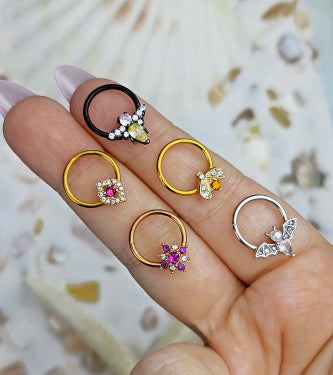




















Piercings are a beautiful way to express your personality and style. From minimal and subtle to bold and edgy, there’s truly something for everyone. While some piercings require a bit more care and consideration than others, that doesn’t mean they’re “bad” choices it simply means being informed helps you heal better and enjoy your piercing longer.
Let’s take a balanced look at some piercings that are considered higher risk, why that is, and how proper placement and aftercare can make all the difference.
1. Snake Eyes (Horizontal Tongue Tip) Piercing
The snake eyes piercing runs horizontally through the tip of the tongue, creating the illusion of two piercings at once.
Why it requires extra thought:
- It connects two tongue muscles, which can affect natural movement.
- Jewelry may make contact with teeth, increasing the risk of enamel wear over time.
Many experienced piercers choose not to perform this piercing because of long-term dental considerations. If you love the aesthetic, discussing alternative tongue placements with a reputable professional can help you achieve a similar look more safely.
2. Finger Piercings
Finger piercings are unique and eye-catching but hands are one of the busiest parts of the body.
Things to consider:
- Frequent movement and friction
- Higher exposure to dirt and bacteria
- Increased chance of snagging
Because of this, finger piercings (including dermals) may have shorter lifespans. With proper placement and realistic expectations, though, they can still be a fun statement piece.
3. Lip Webbing (Smiley) Piercing
This piercing goes through the thin tissue connecting your upper lip to your gums.
Why it needs careful consideration:
- The tissue is delicate and can tear
- Jewelry may rub against teeth or gums
- Healing can be slower due to constant mouth movement
When done with lightweight jewelry and monitored properly, many people enjoy this subtle, hidden piercing without issue.
4. Nostril Piercings
Nostril piercings are one of the most popular facial piercings and for good reason. They’re versatile and flattering on many face shapes.
Potential challenges:
- Irritation bumps during healing
- Placement concerns if done by an inexperienced piercer
- Infection risk without proper aftercare
Choosing a skilled piercer and high quality jewelry dramatically reduces these risks. Most nostril piercings heal beautifully with patience and proper care.
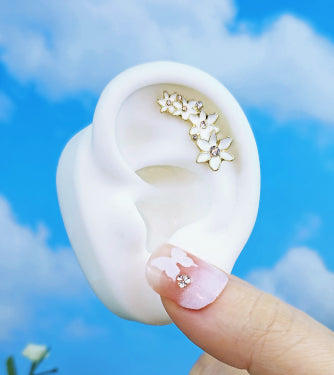
5. Ear Cartilage Piercings
Cartilage piercings (like helix or tragus piercings) are stylish and widely loved. However, cartilage has less blood flow than soft tissue, meaning:
- Healing takes longer than lobe piercings
- They may be more prone to irritation if bumped or slept on
- Proper cleaning is especially important
With consistency and care, cartilage piercings are very successful for most people, they just require a little extra patience.
6. Intimate Piercings (Nipple & Genital)
Intimate piercings are deeply personal and can be empowering. Because they involve sensitive areas, they deserve thoughtful consideration.
Important factors:
- Longer healing times
- Friction from clothing or activity
- Need for strict hygiene during healing
Working with an experienced piercer and following aftercare closely can lead to excellent outcomes.
7. Lip Piercings
Standard lip piercings (such as labrets) are a classic choice. Like other oral-adjacent piercings, they require awareness of dental health.
Considerations:
- Jewelry may contact teeth or gums
- Swelling during healing can affect eating or speaking temporarily
- Consistent cleaning is essential
Proper jewelry sizing and placement significantly reduce long-term irritation.
8. Oral Piercings (Tongue & Cheek)
Tongue and cheek piercings often heal relatively quickly but they still require diligence.
Things to watch:
- Swelling during early healing
- Potential tooth contact
- Maintaining excellent oral hygiene
With the right piercer and high quality jewelry, many people wear oral piercings comfortably for years.
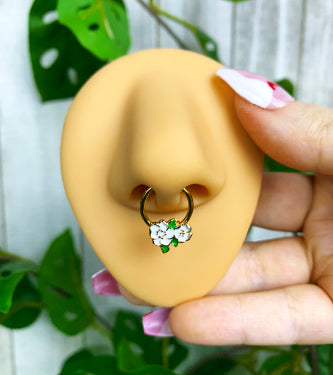
9. Septum Piercings
Septum piercings are incredibly popular and versatile. When placed correctly in the soft “sweet spot,” they tend to heal smoothly.
Potential issues arise when:
- The piercing goes through cartilage instead of soft tissue
- Placement is uneven
- Aftercare isn’t followed
Choosing an experienced piercer makes septum piercings one of the more manageable facial piercings.
10. Surface & Dermal Piercings
Surface piercings and dermal anchors create stunning visual effects. However, because they sit under the skin rather than passing fully through it:
- Rejection can occur
- Migration is possible over time
- They may leave minor scarring if removed
Many people still love them, they just work best with realistic expectations and careful aftercare.
The Bottom Line
Some piercings are labeled “risky” simply because they involve:
- High movement areas
- Thin tissue
- Oral contact
- Longer healing timelines
That doesn’t mean you should avoid them, it means you should be informed.
The most important factor in reducing risk isn’t the piercing itself... it’s choosing an experienced professional, investing in quality jewelry, and following aftercare instructions carefully.
With the right approach, even higher maintenance piercings can heal successfully and become a beautiful part of your self expression.