















You saw someone wearing a lip ring spike and your brain immediately went, yep, I need that. Maybe it was a tiny silver point at the center of the lower lip. Maybe it was a pair of snake bites that made the whole face look sharper, cooler, and way more put together.
Then the practical questions started. What even counts as a lip spike? Is it a ring or a stud? How long should the spike be so it looks fierce without catching on everything you own? And the big one. Will it feel okay in your mouth every day?
That mix of excitement and confusion is completely normal. Lip jewelry looks simple from the outside, but the details matter a lot once you start wearing it. A lip ring spike can look amazing and still be annoying if the material is wrong, the post is too long, or the spike tip sticks out more than your anatomy likes.
Modern lip ring spikes took off in the late 1980s, and oral piercings have an average prevalence of 5.2% worldwide, with higher rates among women, according to this history and popularity overview from Dentalcare. So if you’re obsessed with the look, you’re very much not alone.
So You Want to Rock a Lip Ring Spike
Maybe you're standing in front of a mirror holding your phone under your face, trying to fake what a spike would look like. You angle your chin. You squint. You decide it looks incredible. Then you realize there are about a million versions online, and half of them are labeled in ways that make no sense if you’re new to lip jewelry.
That’s where people usually get tripped up. They think they’re shopping for one thing, but they’re really comparing several different parts at once. The post. The backing. The material. The spike shape. The spike length. And those details can decide whether your jewelry feels smooth and wearable or like a tiny chaos machine living on your face.
A lip ring spike can be subtle or dramatic. One small cone above the upper lip gives a clean, polished edge. Two lower lip spikes can pull a whole punk look together. A center labret with a short metallic point can make even a minimal outfit feel intentional.
You don’t need the wildest spike in the room. You need the one that fits your anatomy, your routine, and your tolerance for snagging.
If you eat fast, talk a lot, wear masks sometimes, kiss enthusiastically, or sleep face-down, ergonomics matter just as much as style. Those are the details often skipped. You shouldn’t.
The good news is that once you understand how a lip ring spike is built and how it sits in your lip, shopping gets way easier. You stop guessing. You start choosing on purpose. And that’s when your jewelry starts looking better too.
What Exactly Is a Lip Spike Anyway
Most of the time, a lip ring spike isn’t a ring. It’s usually a labret stud with a flat back on one end and a spike-shaped top on the other.
That flat back sits inside your mouth or against the inner tissue, while the visible end gives you the pointed look. So if you’ve been searching for “lip ring” and getting confused by hoops, captive rings, and curved barbells, that’s why. The spiky look usually lives on a post-style piece, not a hoop.

If you want a quick visual breakdown of the parts, this guide to the anatomy of a lip ring helps make the names much less mysterious.
The basic parts
A standard lip spike setup usually includes:
- Flat back disc that rests inside the mouth or against inner tissue
- Post that passes through the piercing channel
- Spike end that screws or fastens onto the front
- Threading or closure style that determines how the jewelry opens and closes
Some spikes are long and dramatic. Some are short and neat. Some are more cone-shaped, while others look closer to a bullet or tapered point.
Spike, cone, and point are not always identical
Online shops often use these words loosely, which can make shopping annoying. In everyday piercing talk:
- Spike usually means any pointed decorative end
- Cone often means a shorter, more geometric point
- Long spike usually means a more aggressive, elongated silhouette
That difference matters because shape affects comfort. A very long, narrow point can catch more easily than a compact cone, even when the post size is correct.
This style has ancient roots
Lip piercing isn’t some brand-new trend pulled from social media. The practice dates back to 1000 BCE in various cultures, according to the Fashion Institute of Technology’s history of the labret.
That history includes:
- Aztec and Mayan warriors wearing serpent-shaped gold labrets in pre-Columbian Mesoamerica
- Mursi women in Ethiopia wearing lip plates as symbols tied to beauty and marital readiness
- A broad global tradition of lip modification connected to identity, status, and ritual
Why that matters: when you wear a lip spike today, you’re stepping into a body modification tradition with real depth, not just copying a passing trend.
That doesn’t mean every modern lip spike has ceremonial meaning. It means the form itself has a long visual history. That’s part of why it still feels powerful now.
Choosing Your Perfect Material and Size
Many "cute in the cart, awful in real life" mistakes occur.
You can love the shape of a lip ring spike, but if the material irritates you or the gauge is wrong, the look won’t matter. Comfort comes first. Then style gets to shine.
Material first, always
For lip jewelry, the metal is touching tissue and spending time in a moist environment. That means biocompatibility matters more than it does for random fashion jewelry.
According to this labret material and gauge reference, lip spike jewelry is predominantly made in 16G (1.2mm), while 14G (1.6mm) is the thicker alternative. The same source notes that implant-grade titanium (ASTM F-136) is the better choice for people with metal sensitivities because it’s nickel-free, while 316L surgical steel is the cost-effective industry standard with strong corrosion resistance.
Here’s the practical version of that.
Lip Spike Material Comparison
| Material | Best For | Hypoallergenic? | Price Point |
|---|---|---|---|
| 316L Surgical Steel | Everyday wear if you tolerate steel well | Not the top choice for highly sensitive wearers | Lower |
| Implant-Grade Titanium (ASTM F-136) | Sensitive skin, oral wear, nickel concerns | Yes, nickel-free | Higher |
| Bioflex | People who prefer flexible-feeling jewelry | Can work for some, but quality varies by piece | Varies |
| Gold | A more elevated look in a suitable body-jewelry design | Depends on the specific piece and composition | Higher |
If you have reactive skin, mystery irritation, or a known nickel issue, titanium is the safer bet. If you’ve worn steel in other piercings with zero problems, surgical steel may work well for you.
If you want a deeper breakdown of how titanium behaves in body jewelry, BodyCandy has a useful article on titanium body jewelry.
Gauge is the thickness of the post
Gauge confuses almost everybody at first because the numbers look backward. Smaller number, thicker jewelry.
For lip ring spikes, 16G is the common standard for lip piercings. A thicker 14G option exists, but you should only wear the gauge your piercing was done with or safely stretched to.
Don’t force jewelry into a piercing just because you like the spike top. The visible end might be cute, but the post has to match your actual channel.
Post length changes comfort more than people expect
A lot of shoppers obsess over the spike and ignore the post. Then they end up with jewelry that moves too much, gets bumped while eating, or presses awkwardly inside the mouth.
A good lip post should feel secure without squeezing. In a healed piercing, you usually want enough room for natural movement, but not so much extra length that the backing rubs your teeth or the front juts outward.
Here’s what to check:
- If the post feels too long, the jewelry may shift, click against teeth, or make the spike sit awkwardly.
- If the post feels too short, the backing may press too hard into tissue and feel tight.
- If swelling is involved, sizing can change fast, which is why fresh piercings need professional oversight.
Practical rule: the jewelry should sit comfortably and predictably. You shouldn’t feel like you’re constantly herding it back into place with your tongue.
External threading and why people mention it
Some lip spike jewelry uses external threading. In simple terms, the threaded part is on the end that passes through the piercing. The source above notes that external threading can help prevent micro-abrasion during insertion and removal and can reduce irritation risk compared with rougher-feeling insertion experiences.
In real life, the smoother and more precise the jewelry feels during changes, the better. If changing your jewelry feels scratchy or harsh, slow down and reconsider the piece.
One product example
If you’re comparing styles, a piece like the BodyCandy 14 Gauge Stainless Steel LIPPYLOOP Ball Spike Labret is one example of a lip labret stud with a spike design in 316L surgical grade stainless steel. That tells you two practical things right away: the gauge matters, and the material matters.
Use product names like that as a checklist, not just a vibe. Read for:
- gauge
- material
- closure style
- whether it’s a labret stud or something else
That little habit will save you from most buying mistakes.
Matching a Spike to Your Lip Piercing
Not every lip piercing wants the same jewelry shape. A spike can look incredible in one placement and feel wrong in another.
The fastest way to shop smarter is to think about the path of the piercing, not just the look from the front.
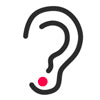
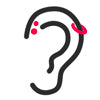
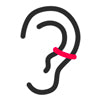
Take a look at the compatibility map first.

Placements that usually suit a lip spike well
For classic lip work, spikes often make the most sense on piercings that normally wear a flat-back labret.
That includes:
- Labret at the center below the lower lip
- Monroe or Madonna above the upper lip
- Snake bites on each side of the lower lip
- Spider bites or other paired lower lip arrangements
- Some dahlia placements, if the sizing is especially thoughtful
These placements usually give the spike a stable base. The jewelry sits front-to-back in a way that works well with a flat backing.
Placements that need more caution
Some piercings pass through the lip in a way that changes what “comfortable” means.
A vertical labret, for example, often uses a curved barbell because the piercing path exits through the lip itself rather than resting with a flat disc inside the mouth. That doesn’t automatically mean a spiked look is impossible, but it does mean you can’t assume standard labret-style jewelry is interchangeable.
The same goes for anatomy-specific placements. If the route of the piercing or the shape of your lip creates more contact with teeth, gums, or constant motion, the spike tip needs extra thought.
This quick video can help you visualize how lip jewelry sits and moves on the face.
Material matters even more for oral placements
If the jewelry has any contact with the inside of the mouth, sensitive wearers should pay close attention to metal choice and decorative construction.
According to this lip jewelry material overview, niobium or ASTM F-136 titanium are ideal options for people with oral allergies. The same source also says some decorative spike styles with adhesives used on gem components caused reactions in 2025 data, and it describes 2025 EU regulations as pushing toward titanium-only spikes for oral piercings, with demand up 35% in major markets.
That matters even if you don’t wear gem spikes. It’s a reminder to look beyond the front design. Ask what the whole piece is made of, and whether any decorative elements add materials your mouth may hate.
If your lip piercing lives partly in the oral environment, don’t shop by appearance alone. Shop by structure.
A simple compatibility mindset
Ask these questions before buying:
-
Does this piercing normally wear a labret stud?
If yes, a lip ring spike may be a strong candidate. -
Will the point stick into a high-contact area?
Corners of the mouth and highly mobile lips need extra caution. -
Is the piece decorative in a way that adds adhesives or mixed materials?
That can matter for sensitive mouths. -
Will this spike be for daily wear or just for photos and occasional styling?
The answer can change what shape makes sense.
The sharpest look is the one you can live in.
The Secret to a Safe and Comfy Spike
Here’s the part almost nobody explains well enough. Spike length and spike shape can matter just as much as the post.
A lot of irritation problems blamed on “my piercing hates this jewelry” are really geometry problems. The post fits. The material is fine. But the tip is too long, too pointy for the placement, or angled in a way that catches every napkin, hoodie string, and accidental face touch.

Shorter spikes usually win for daily wear
This is especially true if your piercing has developed nesting, where the tissue forms a little protective pocket around the back of the jewelry.
According to Infinite Body’s lip piercing guide, optimal spike length is important for preventing tissue irritation and gum damage, and nesting is healthier with shorter spikes under 4mm that don’t protrude too much.
That one detail is huge.
If your piercing sits happily and your lip naturally accommodates the backing, a giant front spike can undo that comfort by applying unwanted force. It sticks out farther, gets bumped more often, and can tug on the channel every time you talk or eat.
Long spikes are dramatic, but they ask more from you
Longer spikes can absolutely be part of a look. They photograph well. They sharpen the whole face. They can be perfect for a night out, a shoot, or a specific aesthetic.
But they also create more opportunities for:
- Snagging on towels, clothing, or hair
- Pressure when you sleep face-down or rest your hand near your mouth
- Extra movement that can irritate the channel
- Awkward contact if the spike points inward or downward too aggressively
Shape changes the feel too
Not all “spikes” behave the same.
A compact cone often feels easier to manage than a very narrow, needle-like point. A smoother taper can be less annoying for people who move their lips a lot when speaking. A stubby point can still look edgy without turning every meal into a strategy session.
Choose the most dramatic spike your lifestyle can support, not the most dramatic one a product photo can sell.
A practical way to decide
If you’re unsure, start conservative.
- For everyday wear, think short and balanced.
- For paired piercings, remember that two snag points double the chaos.
- For nested piercings, prioritize a front end that doesn’t create excessive pull.
- For occasional styling, a longer spike can make sense if you know you won’t wear it nonstop.
If a spike keeps getting bumped, feels like it’s dragging the jewelry forward, or makes you hyper-aware of your lip all day, that’s useful information. It doesn’t mean spikes aren’t for you. It usually means that specific spike isn’t.
How to Change and Care for Your Spike
Changing a healed lip piercing feels scary the first time, even if you’ve had it for ages. That’s normal. Lip jewelry is small, your fingers suddenly feel huge, and the mirror somehow makes everything harder.
Keep the process boring and clean. That’s the goal.
How to change a healed lip ring spike
Only change jewelry in a healed piercing. If it’s fresh, sore, crusty, or still settling, let your piercer handle it.
Follow this order:
-
Wash your hands well
Don’t skip this. Lip piercings live near your mouth, and that area deals with plenty already. -
Work in good lighting
A bathroom mirror is fine. A handheld mirror can help you see the back more clearly. -
Clean the jewelry first
New jewelry should be clean before it goes anywhere near your piercing. -
Unscrew the visible end carefully
Most spike tops twist off, but not all jewelry opens the same way. If it resists, don’t force it. -
Remove the post slowly
Support the area with clean fingers so you’re not yanking the channel around. -
Insert the new piece gently
If the jewelry doesn’t slide in with reasonable ease, stop. Don’t shove. -
Secure the spike end without overtightening
Tight enough to stay put. Not so tight that you need a wrestling match next time.
If you’re sweating, frustrated, or dropping tiny spike ends into the sink, pause and try again later. Rushing is how people irritate a perfectly happy piercing.
Daily care that keeps it looking good
Lip jewelry collects residue fast. Skin cells, skincare, drinks, lip products, and plain old daily life all build up on the front and back.
A simple maintenance rhythm helps:
- Rinse away buildup after meals if needed
- Check the backing and top so the jewelry hasn’t loosened
- Clean gently during your normal hygiene routine
- Notice changes like tenderness, unusual pressure, or more rubbing than usual
If your lips get dry or angry in cold weather, environmental care matters too. This winter lip piercing care guide covers some seasonal issues that can make even healed jewelry feel cranky.
If something feels off
Don’t ignore a new problem just because the piercing is old.
Pay attention if:
- the spike starts catching constantly
- the backing feels like it’s pressing too hard
- the jewelry seems loose over and over
- the tissue looks irritated after a jewelry change
A small adjustment in spike shape, post length, or material often solves what feels like a big issue.
Styling Your Spike and Gifting the Perfect One
Lip ring spike jewelry gets really fun. One piece can shift your whole vibe.
A short silver spike in a centered labret gives clean industrial energy. A black pair in snake bites leans darker and more graphic. A gold spike above the lip can read surprisingly polished if the rest of your jewelry is coordinated.
Styling ideas that actually translate in real life
Try these looks:
-
Minimal edge
One small spike in a Monroe or labret. Keep the rest of your jewelry simple. -
Balanced bite look
Matched lower lip spikes on both sides for symmetry and a stronger statement. -
Mixed-metal experiment
Keep the lip spike one tone and echo the other tone elsewhere, like in earrings or a nose ring, so it looks intentional instead of accidental. -
Occasion spike
Wear your shorter daily piece most of the time, then swap to a more dramatic point for photos, events, or nights out.
Buying one as a gift
A lip ring spike can be a great gift. It can also be a chaotic gift if you guess.
Before buying for someone else, know:
- their gauge
- their usual post length
- what materials they can wear
- whether their piercing uses a labret stud or another style
If you don’t know those details, don’t wing it. Ask them, ask their piercer, or give them a way to choose the exact piece themselves. A thoughtful gift is one they can wear comfortably.
The most impressive gift isn’t the sharpest-looking spike. It’s the one that fits their piercing and their body.
Your Top Lip Ring Spike Questions Answered
Can I get pierced with a spike right away
That depends on your piercer, your anatomy, and the specific jewelry. Initial jewelry choices should prioritize healing and stable placement, not just the look. If you want a spike as your final style, tell your piercer early so they can guide you safely.
What’s the difference between a spike and a cone
People use the words interchangeably, but a cone is often shorter and more compact, while a spike usually suggests a longer point. Product labels vary, so look at the actual shape, not just the name.
What should I do if I swallow the spike end
Stay calm. Replace the loose jewelry if you still have the post in place, and contact a medical professional if you’re worried about symptoms or what was swallowed. Also check why it came loose so it doesn’t keep happening.
Are acrylic or flexible spikes a good idea
Some people like lightweight or flexible options, but material quality and construction matter a lot. For oral wear and sensitive tissue, well-made biocompatible metal options are often the simpler choice.
Why does my spike keep snagging if the post fits
Because the front matters too. If the tip is too long, too narrow, or too aggressive for your placement and routine, it can behave badly even on a correctly sized post.
Is nesting a bad sign
Not always. For some healed lip piercings, nesting can be a normal protective adaptation around the backing. What matters is whether the piercing feels healthy, not painfully compressed or irritated.
Ready to find a lip ring spike that fits your style and your anatomy? Browse BodyCandy for lip jewelry options, compare your gauge and material carefully, and if you’re between sizes or styles, ask your piercer before you buy. Your face deserves jewelry that looks sharp and wears smart!