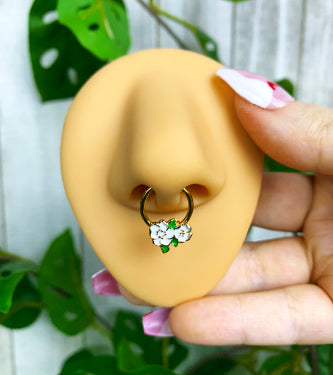













You’re either fresh out of the piercing chair, staring at your new cartilage piercing in every reflective surface you pass, or you’re halfway through filling an online cart and suddenly thinking, wait, what am I supposed to buy for this thing?
That little spiral happens to almost everyone.
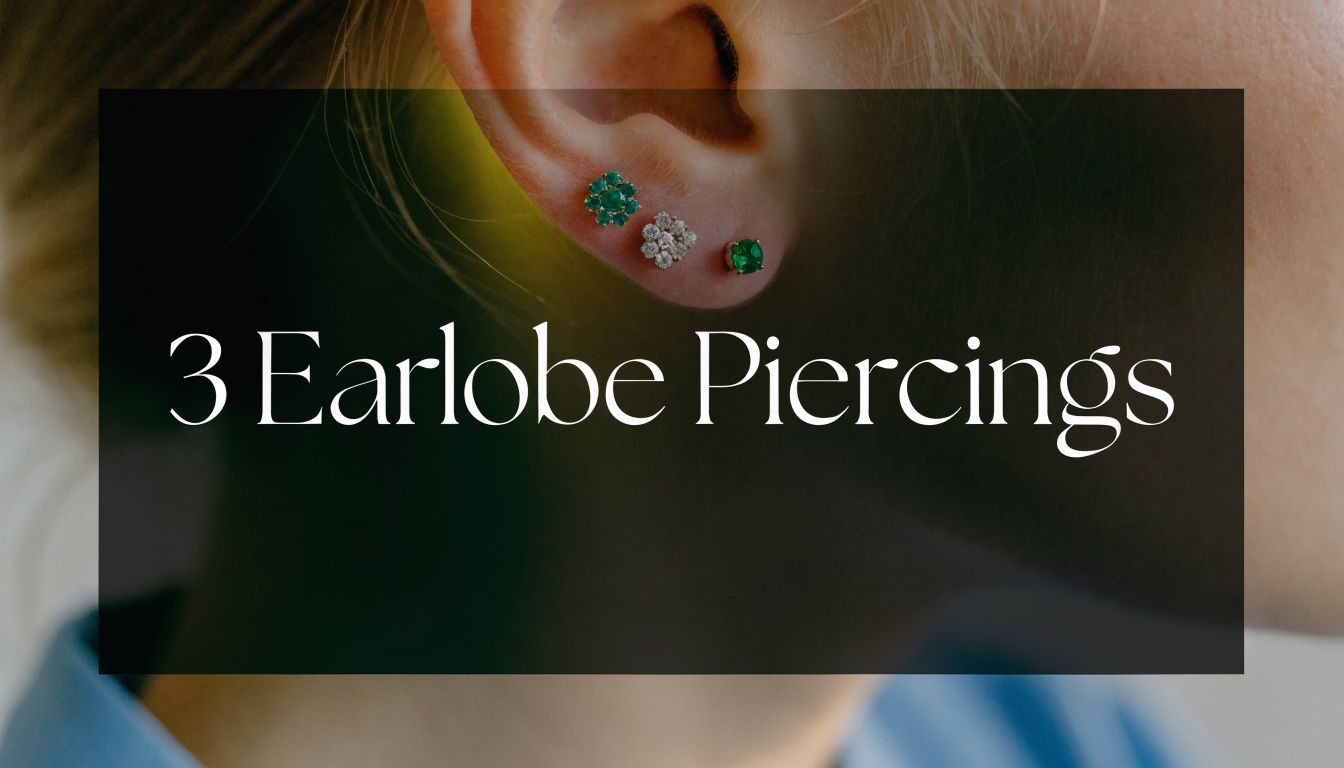
Cartilage jewelry looks simple until you start shopping. Then it’s flat backs, labrets, clickers, continuous rings, barbells, gold, titanium, mystery metals, gauges, diameters, and about six ear placements that all start blending together. A tragus is not a rook. A conch hoop is not the same as a helix hoop. And the cute piece you love most might be the exact wrong choice for a healing piercing.
The good news is that choosing the best jewelry for cartilage piercings gets a whole lot easier when you break it into a few practical decisions. Where is the piercing? Is it still healing? What material is touching your skin? What style works with that specific spot? And does the size fit your ear?
That’s the whole game.
So You Got A Cartilage Piercing Now What
A lot of people hit the same moment after getting pierced. You leave with a basic starter piece, then later that night you start scrolling for something cuter. Maybe a tiny star for your helix. Maybe a snug little hoop for your daith. Maybe a sparkly stud for your tragus because your ear suddenly deserves a full starring role.
Then the confusion lands.
Your friend says hoops are cuter. Your piercer said to leave the original jewelry alone. Every product page has a different thickness, length, or closure style. And somehow the jewelry that looked tiny on someone else’s ear now looks huge in your cart.
That’s normal.
Cartilage piercings are pickier than lobe piercings. The tissue is firmer, placement matters more, and the wrong jewelry can turn a fun new look into an irritated little diva. This is why a piece that works beautifully in one spot can be annoying, crooked, or impossible in another.
A quick reality check helps:
- Your first jewelry choice is about healing first. Cute comes second for a bit.
- Your second jewelry choice is about comfort and fit. A gorgeous piece that snags on hair or presses into your ear isn’t going to get worn.
- Your forever jewelry choice is where style really gets to shine. That’s when stacks, shapes, sparkle, and edge get fun.
Practical rule: If you’re shopping for a brand-new cartilage piercing, think “safe and boring now, fun and dramatic later.”
That’s not a punishment. It’s strategy.
Once you understand your piercing location, the materials that play nicely with cartilage, and the styles that suit each part of the ear, shopping gets way less chaotic. You stop guessing. You start buying pieces that make sense for your anatomy and your healing stage.
Your Cartilage Piercing Map
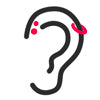
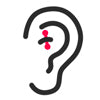
Your ear has a lot going on. “Cartilage piercing” sounds like one category, but it covers several totally different placements. Each one has its own shape, curve, and jewelry sweet spot.

If you want a quick visual refresher, this guide to ear cartilage piercing names and jewelry helps connect the names to actual placement.
Helix and forward helix
The helix is the outer upper rim of the ear. It’s one of the most popular cartilage piercings because it’s versatile and easy to style in singles, doubles, or a whole little stack.
This spot usually looks great with:
- Flat back studs for a clean everyday look
- Small hoops once fully healed
- Tiny barbells if the shape suits your anatomy
The forward helix sits farther forward, near where the top of the ear meets the side of your head. It’s a smaller area, so jewelry usually needs to stay delicate. Little studs really shine in this spot.
If your hair catches on everything, forward helix jewelry needs extra thought. Bigger decorative tops can get annoying fast.
Tragus and anti-tragus
The tragus is the small flap of cartilage in front of the ear canal. It’s tiny, prominent, and weirdly glamorous for such a small spot. A single gem or simple metal ball can look super polished here.
Good choices often include:
- Flat back labret studs
- Very small rings, but usually only after healing
- Minimal tops that don’t crowd the area
The anti-tragus sits opposite the tragus, just above the lobe. It’s less common and has a more curved shape, so the jewelry has to work with that bend. Curved pieces or carefully sized small rings tend to make more sense here than bulky studs.
A tragus piercing rewards restraint. Tiny jewelry usually looks sharper than oversized jewelry in that spot.
Conch and daith
The conch is the bowl-like center area of the ear. It can handle a little more visual presence, which is why it’s such a favorite for statement studs. A conch hoop can also look incredible once the piercing is fully settled.
Why people love conch piercings:
- They anchor an ear stack
- They work with both studs and hoops
- They can go minimalist or dramatic without looking out of place
The daith sits in the inner fold of cartilage above the ear canal. This area naturally hugs a ring, so it’s one of the placements where curved jewelry feels especially natural. The space is tighter, though, so fit matters a lot.
A daith usually looks best with jewelry that follows the fold rather than fighting it.
Rook and the trickier curves
The rook runs along the ridge above the daith, in that raised inner fold. It has a vertical-ish placement and a pronounced curve, so not every style works here.
This is the kind of piercing that loves jewelry shaped for the anatomy. A straight piece can feel awkward in a spot that’s clearly asking for curve.
The rook is often paired with:
- Curved barbells
- Subtle decorative ends
- Jewelry that doesn’t stick out too far
If a rook piercing looks extra cool and extra complicated, that’s because it kind of is. It’s a compact area, and oversized jewelry can make it look crowded fast.
Why placement changes the shopping list
Here’s the part people miss. You’re not just shopping by vibe. You’re shopping by location plus shape.
A hoop that looks effortless in a daith may be a pain in a fresh helix. A chunky decorative top that feels balanced in a conch may feel ridiculous in a tragus. A rook wants different geometry than a forward helix.
That’s why the best jewelry for cartilage piercings isn’t one universal answer. It’s the piece that suits your exact piercing, your current healing stage, and how you live. If you wear over-ear headphones, sleep on your side, or keep long hair down most days, that matters too.
The Gold Standard Materials For Happy Piercings
You can pick the perfect style for your piercing placement and still have a rough time if the material is wrong. In cartilage piercings, metal choice works like the foundation under makeup. Nobody sees it first, but it affects everything.
If your ear dislikes the material, the signs usually show up fast. You might notice itching, tenderness, dryness, bumps, or a piercing that stays grumpy way longer than it should.

Nickel sensitivity is common enough that it should absolutely affect your shopping choices, especially if you wear body jewelry often. The American Academy of Dermatology notes that nickel is a frequent cause of allergic contact dermatitis, which helps explain why implant-grade titanium and properly specified solid gold come up so often for cartilage jewelry.
Titanium first for fresh piercings and reactive skin
For the trip from piercing chair to shopping cart, implant-grade titanium is usually the safest first stop.
It is light, durable, and widely used for healing piercings because it keeps the metal situation simple. That matters a lot in cartilage, where healing can already be slow and moody without extra irritation in the mix.
If you want a closer look at why piercers and sensitive-ear people keep reaching for it, BodyCandy breaks it down in this guide to titanium body jewelry for sensitive piercings.
Titanium makes the most sense if:
- Your piercing is fresh
- Your skin reacts easily
- You have no idea how you handle nickel
- You want everyday jewelry without extra drama
For a new helix, tragus, conch, or rook, titanium is often the calmest choice in the lineup.
Solid gold works beautifully, if the details are real
14k solid gold can be a great cartilage material too. It gives you that warm, rich look titanium does not, and it can work well for healing or healed piercings when the alloy is appropriate for body jewelry.
The part that trips people up is wording.
Solid gold and gold-plated are completely different purchases. Plated jewelry only gives you a thin gold surface over another base metal. Once that coating wears down, your ear is dealing with whatever is underneath, and that can turn a cute cart choice into an irritating surprise.
A quick reality check helps here. “Gold tone” describes color. “14k solid gold” describes what the jewelry is made of.
If you are buying gold cartilage jewelry online, slow down and read the materials line like you are checking ingredients on food packaging.
Surgical steel and niobium belong in different lanes
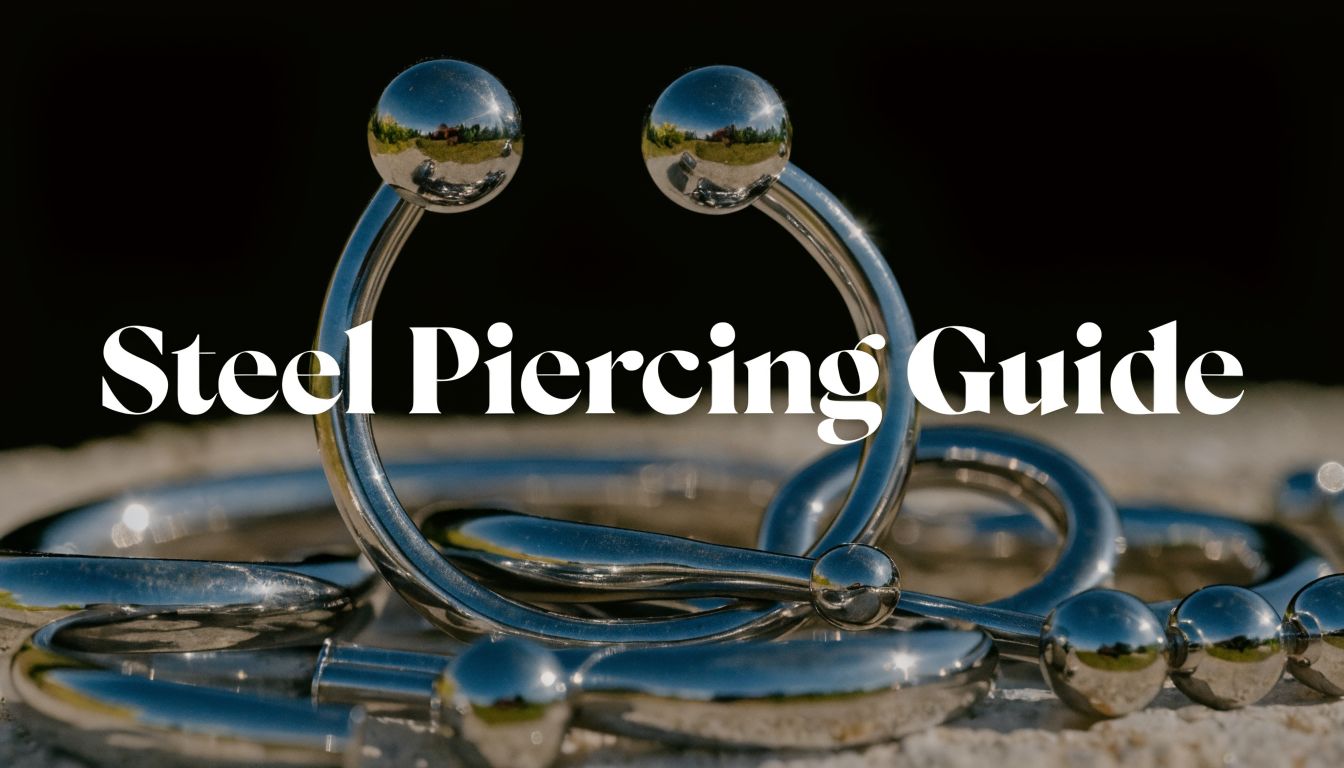
Surgical steel can work for some healed piercings, but it is not the automatic safe pick people sometimes assume it is. Steel may contain nickel, so if your skin is sensitive or your piercing is still healing, it is often smarter to start elsewhere.
Niobium gets less attention, but it deserves a mention. It is often well tolerated by sensitive skin and tends to show up in simpler, polished styles. If you like clean-looking hoops or understated pieces, niobium can be a solid option.
Then there are materials that deserve a little side-eye for fresh or irritated cartilage piercings:
- Plated metals, because surface coatings can wear off
- Sterling silver, because tarnish and irritation are not great roommates for healing tissue
- Mystery alloys, because a vague listing usually means the material is not a selling point
- Cheap novelty pieces, because fun and skin-friendly are not always the same thing
Cartilage Jewelry Material Showdown
| Material | Best For | Pros | Cons |
|---|---|---|---|
| Implant-grade titanium | New piercings, sensitive skin, daily wear | Lightweight, hypoallergenic, easy healing choice | Cooler-toned look if you want gold warmth |
| 14k solid gold | Healing or healed piercings when clearly specified | Warm color, polished look, often well tolerated when nickel-free | Higher cost, easy to confuse with plated pieces |
| Surgical steel | Healed piercings for people without nickel sensitivity | Durable, common, easy to find | May contain nickel, not ideal for reactive ears |
| Niobium | Sensitive skin, simple styles | Often well tolerated, good for clean designs | Fewer style options in some collections |
| Sterling silver | Occasional fashion wear away from healing piercings | Familiar look | Tarnish and irritation can be a problem |
| Plated or unknown metal | High-risk choice for cartilage | Lower upfront price | Coating wear, hidden base metals, more chance of irritation |
What to buy first, and what can wait
For a new cartilage piercing, keep your standards high. Early healing is not the time to experiment with questionable materials just because the product photo looks amazing.
A smart first cart usually includes:
- Implant-grade titanium flat backs
- Clearly labeled 14k solid gold pieces
- Simple designs with smooth finishes
Save these for later, once your piercing is settled and your ear has proven it can handle more:
- Decorative hoops
- Heavier statement jewelry
- Anything with fuzzy material details
Your ear is not judging the product styling. It is judging what sits in that piercing hour after hour.
Finding Your Perfect Style Match
Once material is sorted, style gets fun. At this stage, cartilage jewelry stops feeling like a medical decision and starts feeling like a personality choice.
The trick is matching the style to the placement instead of forcing one trendy piece onto every part of the ear.

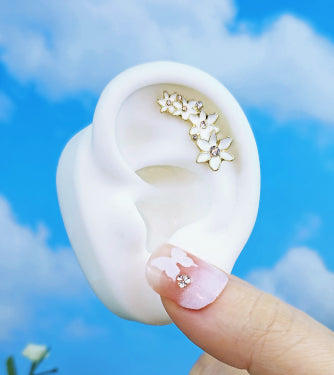
Flat back studs for the calm, smart start
If cartilage jewelry had an MVP, it would be the flat back labret stud.
The back sits flush against the ear, which means less poking, less snagging, and less drama with pillows, hoodies, or hairbrushes. For fresh cartilage piercings, that comfort matters a lot.
Flat backs are especially good for:
- Helix
- Forward helix
- Tragus
- Conch
- Some rook setups, depending on anatomy
They also work for people who want a polished look without much effort. A tiny gem, bead, or shape can look sleek without shouting.
If you’re the kind of person who sleeps on your side and forgets your ear exists until it gets caught on a sweater, flat backs are your friend.
Hoops for movement and edge
Hoops are usually what people picture when they think of a styled cartilage ear. They frame the ear beautifully and can make even a simple piercing look intentional.
But not all hoops behave the same.
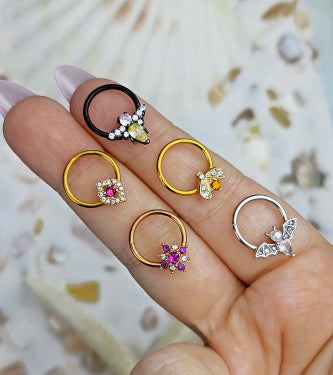
Continuous rings have a cleaner visual line. Clickers open and close with a hinged section, which makes them much easier for many people to handle. Captive bead rings have that tiny bead held in place by tension, which looks cool but can be fiddly if you’re changing jewelry yourself.
Here’s the practical match-up:
- Daith loves a ring-friendly shape
- Healed helix can look amazing with a snug hoop
- Conch can carry a statement hoop beautifully
- Tragus can wear a tiny hoop, but only if the fit is right
What people get wrong is jumping to hoops too soon. A fresh piercing often prefers something steadier and less mobile.
A hoop changes the whole vibe of a piercing. It also changes how that jewelry moves, catches, and sits against the ear.
Barbells for curved spots and sharper looks
Barbells come in two main flavors for cartilage: straight and curved.
A straight barbell can work in some outer ear placements where the channel is fairly direct. A curved barbell tends to make more sense in spots that naturally bend, like the rook.
This is one of those style choices that’s secretly an anatomy choice.
A curved barbell often suits:
- Rook
- Some anti-tragus placements
- Certain ear layouts where a straight piece would sit awkwardly
Straight barbells can look clean in select placements, but they shouldn’t be used just because they were on sale and looked edgy. Shape matters.
This video gives a good visual feel for different cartilage jewelry styles and how they sit in the ear.
Easy style pairing by piercing
Sometimes you don’t need a speech. You need a cheat sheet.
Helix
A flat back stud is the easy everyday winner. Once healed, a small hoop gives that classic clean edge.
Forward helix
Tiny studs look best here. This area usually rewards minimalism.
Tragus
Go petite. A flat back with a very small decorative top tends to look balanced.
Conch
This spot can do both. A centered stud feels crisp. A healed conch hoop feels bold.
Daith
Rings usually look the most natural because they follow the fold.
Rook
Curved barbells are often the most visually and physically harmonious.
Anti-tragus
Small curved or ring-style pieces usually make more sense than bulky tops.
Style should match your real life too
There’s one more layer to this.
The best jewelry for cartilage piercings isn’t just “what looks coolest in a close-up photo.” It’s what works with your habits.
Ask yourself:
- Do you wear over-ear headphones often
- Do you sleep on that side
- Does your hair catch on everything
- Do you want a piece you can leave in daily
- Are you dressing for subtle sparkle or full tiny chaos goblin energy
A tiny flat back can be your everyday hero, and a clicker hoop can be your healed-piercing weekend flex. You don’t need one forever answer. You need the right answer for right now.
Nailing The Perfect Fit With Sizing And Gauges
You’re staring at a jewelry listing with numbers everywhere, your piercing is still pretty new, and suddenly “cute little hoop” feels way more complicated than it looked in your cart. That reaction is normal. Sizing sounds technical until you know what each number controls.
The fit comes down to three things: gauge, length, and diameter.

If you want a clearer explanation before you shop, keep this guide to cartilage piercing gauges and measurements open in another tab.
Gauge means thickness
Gauge is the thickness of the post or ring. It has to match the piercing channel you already have.
That part trips people up because a smaller-looking number is thicker jewelry. So if your piercer used one gauge and you buy another at random, the piece may not go in comfortably, or it may feel loose and unstable. Cute jewelry stops being cute fast when it irritates the piercing.
Your safest move is simple. Check the size your piercer used, then shop for that same thickness unless a professional tells you to change it.
Length and diameter change the way jewelry sits
For studs and flat backs, look at length. That is the wearable space that passes through your ear.
A post that’s too short can pinch and press. A post that’s too long can shift around, catch on hair, and sit crooked. Fresh piercings often start with a little extra room for swelling, while healed piercings usually feel better with a closer fit.
For hoops and clickers, look at diameter. That number tells you how wide the ring is. A small change can completely change the look. One hoop may hug a helix neatly, while another hangs lower and gives your conch more drama.
Your piercing map matters. A diameter that works beautifully in a daith may look tiny in a conch, and a tragus piece that seems delicate online can feel bulky once it’s in your ear.
Threading affects comfort too
Product details also mention internally threaded, externally threaded, or threadless jewelry.
Here’s the easy version:
- Internally threaded jewelry keeps the post smoother as it goes through the piercing
- Externally threaded jewelry has threads on the post itself
- Threadless jewelry uses tension to hold the decorative end in place
For cartilage, smoother insertion usually feels better. If you’re shopping for a healed piercing and plan to change jewelry yourself, internally threaded and threadless styles are often easier to handle without that scratchy, snaggy feeling.
Good sizing is personal. Your friend’s perfect helix hoop can be totally wrong for your anatomy.
A quick cart check before you buy
Before you hit checkout on that BodyCandy clicker or flat back, run through this:
- Confirm the piercing location. Rook, conch, tragus, and helix jewelry are not interchangeable just because the gem size looks similar.
- Match the gauge to your current piercing. Do not guess.
- Check post length or hoop diameter carefully. Photos can be very misleading.
- Look at the closure style. Flat backs, barbells, and clickers all wear differently day to day.
- Ask your piercer if you’re unsure. A fast size check beats ending up with jewelry that only looks good on the screen.
Shopping for cartilage jewelry gets much easier once you stop treating size like background info. It’s the part that decides whether your new piece feels effortless or annoys you by lunchtime.
Healing Aftercare And When To Upgrade Your Jewelry
You leave the piercing studio feeling unstoppable, then a week later your ear gets caught on your sweatshirt and suddenly you are googling whether your helix is mad at you. That part is normal.
Cartilage usually heals more slowly than a lobe piercing, and it often takes many months before the inside of the piercing is settled. It can look fine on the surface while still acting delicate underneath. That is why starter jewelry and everyday habits matter so much during the healing stage.
Fresh cartilage is in its "protect the peace" era. The less irritation you throw at it, the happier it tends to be.
What good aftercare usually looks like
Aftercare is basically damage control for all the tiny annoyances your ear deals with every day. Pressure, friction, and snagging cause a lot more drama than people expect.
A good routine usually looks like this:
- Touch it only when you need to clean it
- Clean gently and keep the area dry afterward
- Try not to sleep on that side
- Watch out for hair, hats, hoodie strings, towels, and over-ear headphones
- Leave the starter jewelry in place unless your piercer says otherwise
Your piercing is a lot like wet nail polish. It may seem okay, but one accidental bump can mess up the finish fast.
Why starter jewelry deserves more respect
The jewelry you get pierced with is chosen for healing, not for maximum sparkle. That can feel a little boring when you are already building a fantasy ear stack in your shopping cart, but there is a reason for it.
Safer starter pieces are usually simple, stable, and made from body-friendly materials such as implant-grade titanium or solid gold meant for fresh piercings, as noted earlier. A flat back post or a correctly fitted curved barbell gives the piercing room to calm down without extra movement. Save the ornate ends, snug hoops, and statement pieces for later.
From piercing chair to checkout cart, the rule is simple. Fresh piercing first, cute upgrade second.
Signs it is too soon to switch
A cartilage piercing does not become ready for a jewelry change just because it stopped being dramatic.
Hold off if:
- It still feels tender
- It gets cranky when bumped
- You still see recurring crust, swelling, or irritation
- The area feels tight around the jewelry
- You are not sure whether it is healed
That last one matters. Guessing with cartilage usually leads to setbacks, and setbacks can stretch healing out even longer.
When an upgrade makes sense
Upgrading works best once the piercing has stayed calm for a while and your piercer agrees it is ready. That is the point where shopping gets fun again, because you can match the jewelry to the exact spot in your ear and how it behaves day to day.
For example:
- Healed helix: often a good time to try a clicker or small hoop
- Healed tragus: a decorative flat back can add style without sticking out too much
- Healed conch: many people start with a stud, then switch to a hoop once the piercing is stable
- Healed rook or daith: wait until the piercing is fully settled before changing shape or style
Healing jewelry works like a cast. Upgrade jewelry is the outfit you put on after the recovery phase is over.
If you are eyeing BodyCandy styles, build your cart around your current stage, not your final aesthetic plan. For a healing piercing, choose pieces that support recovery. For a healed piercing, that is when you can start playing with bolder tops, hoops, and a more curated ear look without asking your cartilage to do too much, too soon.
Ready For Your Cartilage Glow Up
The easiest way to shop smarter is to think in this order. Placement, material, style, then size.
Pick jewelry that suits the exact part of your ear. Choose a material your skin is likely to tolerate. Match the style to whether the piercing is fresh or healed. Then double-check the gauge and fit before you buy.
That’s how you find the best jewelry for cartilage piercings without wasting money on pieces that only look good in the product photo.
Your Top Cartilage Jewelry Questions Answered
Can I put a hoop in a brand new helix piercing
It’s usually smarter to start with a stud, especially a flat back. Hoops move more, catch more, and can make a fresh helix grumpier than it needs to be.
My cartilage piercing seems healed after a few months. Can I change it
Maybe it looks healed. That doesn’t always mean it is healed. Cartilage takes much longer than people expect, so early changes can set you back. If you’re unsure, ask your piercer before swapping anything.
What’s the difference between a tragus stud and an anti-tragus stud
The jewelry can look similar at a glance, but the placement changes what fits comfortably. The tragus is that small flap in front of the ear canal. The anti-tragus is above the lobe on the opposite side. Because the angles differ, one piece won’t automatically suit both.
How do I open a seamless ring without bending it out of shape
Don’t pull it apart sideways into an oval. Twist it gently open, then twist it back closed the same way. That preserves the circular shape much better.
Is titanium better than gold
Not in a dramatic winner-takes-all way. Titanium is often the easier first choice for healing and sensitive piercings. Solid 14k gold can also work well when it’s properly specified and nickel-free. The better option is the one your skin tolerates and your piercing can handle.
Why does my cartilage jewelry keep snagging on everything
Usually it’s one of three things. The top is too large, the post is too long, or the style just isn’t ideal for that placement yet. Snagging is often a fit problem, not just bad luck.
Ready to upgrade your ear stack with smarter picks? Browse BodyCandy for cartilage jewelry styles that match your placement, your vibe, and your healing stage, then choose the piece that makes sense for your ear.