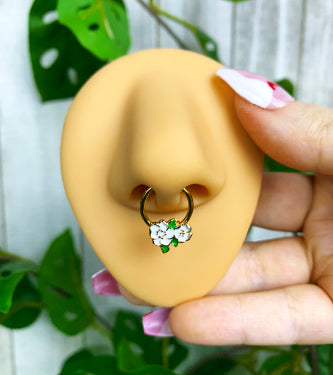




















So, you got a super cute new piercing, but now your skin is throwing a total fit. Sound familiar? Finding the right body jewelry when you have sensitive skin can feel like a major quest, but don't worry, we've got you. The secret to happy piercings isn't some magic potion—it's all about the metal.
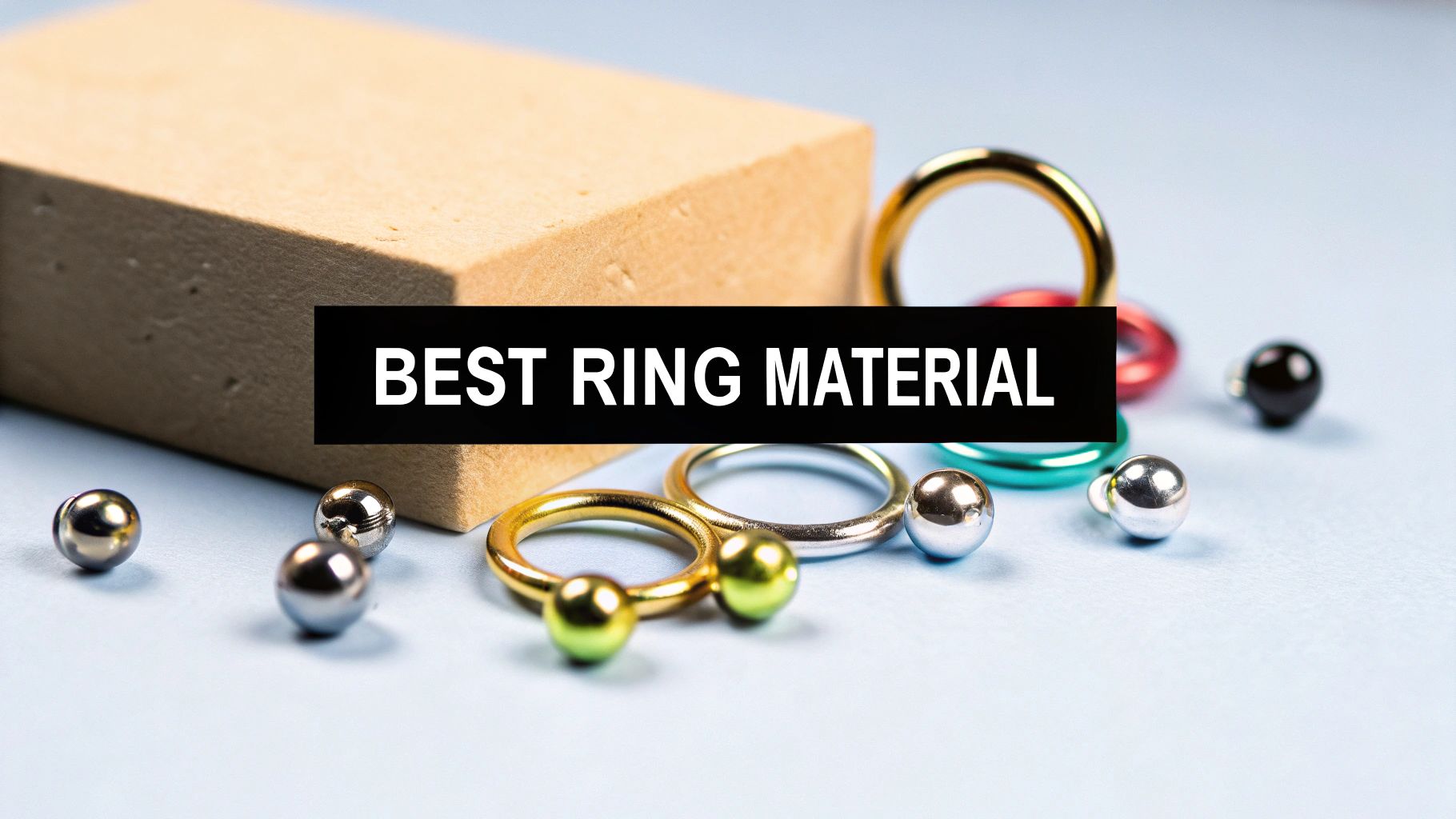
The absolute best materials you can rock are things like implant-grade titanium (ASTM F-136), 14k or 18k solid gold, and niobium. Think of these as the VIPs of the piercing world. They're biocompatible and nickel-free, which is just a fancy way of saying they're the least likely to make your piercing itchy, red, or swollen.
Your Ultimate Guide to Irritation-Free Piercings
There's nothing more frustrating than the excitement of a new piercing fizzling out because of an angry, painful reaction. If you've ever had a piercing that just refuses to heal, feels constantly itchy, or turns a weird shade of red, you're definitely not alone. It's easy to blame your aftercare routine, but a lot of the time, the real problem is the jewelry itself.
Your skin is pretty smart—it has a way of telling you when it doesn't like something. When you put in jewelry made from cheap, mystery-metal alloys, your body can have a full-blown protest against certain metals, especially nickel. And this is way more common than you'd probably guess.
Why Your Skin Protests
It might come as a surprise, but a huge chunk of the population has a sensitivity to nickel. Research shows that the prevalence of a nickel allergy is around 11.4% in the general population. That's more than one in ten people who are likely to have a bad time with cheap jewelry.
For those of us who already have piercings, the numbers can be even higher, which really drives home why the material you choose is so critical. If you want to dive deeper, you can explore the research on metal allergies and piercing inflammation.
This infographic breaks down what you should be looking for to have a happy, irritation-free piercing experience.
The main takeaway here? Prioritizing safe, high-quality materials right from the start is the secret to a piercing that heals beautifully and feels great for years to come.
The Material Matters Most
Think of your piercing jewelry as a long-term roommate for your body. You’d want that roommate to be respectful and not cause any trouble, right? It's the exact same principle for your jewelry. Materials like implant-grade titanium are the gold standard for a reason—they're the same materials used in medical implants because our bodies don't see them as a threat.
To make things super simple, here’s a quick guide to what you should be looking for—and what you should run away from.
- The Heroes: Stick with implant-grade titanium, 14k+ solid gold (and we mean solid, not plated!), and niobium. These are your best bets for guaranteed comfort.
- The Villains: Be wary of mystery metals, sterling silver (it tarnishes and can irritate a healing piercing), and anything plated. That shiny coating can flake off and expose your skin to whatever is underneath, like nickel or brass.
Quick Guide to Skin-Friendly Jewelry Materials
To help you make the best choice at a glance, we've put together this quick comparison table. It summarizes the best (and worst) materials for sensitive skin so you can shop with confidence.
| Material | Best For Sensitive Skin? | Why It Works (Or Doesn't) |
|---|---|---|
| Implant-Grade Titanium | Yes! | The top choice. It's completely nickel-free, lightweight, and biocompatible. Used for medical implants. |
| Solid 14k+ Gold | Yes! | A great, classic option. Make sure it's at least 14k and solid—not plated—to avoid nickel exposure. |
| Niobium | Yes! | Similar to titanium, it's highly biocompatible and nickel-free. Comes in lots of cool anodized colors. |
| Surgical Steel | Maybe. | It's complicated. Only implant-grade (316LVM) is safe. Regular surgical steel often contains enough nickel to cause a reaction. |
| Sterling Silver | No. | Prone to tarnishing (oxidizing), which can stain your skin and irritate a healing piercing. Best avoided for body jewelry. |
| Plated Metals | No. | The thin outer layer can wear away, exposing your skin to irritating base metals like nickel, brass, or copper. |
| Acrylic/Bioplast | For short-term use. | Good for temporary wear or retainers, but it's porous and can degrade over time, potentially trapping bacteria. |
Ultimately, choosing the right material is the single most important step you can take for a happy piercing. When in doubt, always go for the heroes: titanium, solid gold, or niobium. Your skin will thank you!
Why Is My Piercing So Mad? The Science Behind Skin Reactions
Ever wondered what’s actually happening when a new piercing gets angry and just refuses to calm down? That red, itchy, or swollen skin is your body’s alarm system, and it's frantically trying to tell you that something isn't right. It’s not just some random irritation; there’s real science behind it, and figuring it out is the key to happy, healthy piercings.
Think of your immune system as a super-dedicated bodyguard. Its entire job is to spot and neutralize threats. Most of the time, it's brilliant at telling the difference between your own cells and foreign invaders like bacteria. But every now and then, it gets its signals crossed.
When you wear jewelry made from certain materials, tiny metal particles—called ions—can leach out as they come into contact with your sweat and skin oils. This is especially true for lower-quality alloys that contain a very common troublemaker: nickel.
The Nickel Nightmare
Nickel is a cheap and durable metal that's often mixed into alloys to make them stronger, which is exactly why it’s so common in fast-fashion jewelry. The problem is, for a whole lot of people, the immune system sees these nickel ions as a dangerous threat. It launches a full-scale defensive attack, leading to what’s known as allergic contact dermatitis.
This is the classic "jewelry allergy" that causes all the symptoms you dread:
- Intense itching and redness right around the piercing site.
- A rash that might look bumpy or even start to blister.
- Swelling that makes your jewelry feel uncomfortably tight.
Your body isn't overreacting; it's simply trying to protect you from something it incorrectly identifies as harmful. This reaction can pop up at any time, even if you've worn the same piece of jewelry before without any issues. This immune response is why choosing the best body jewelry for sensitive skin isn't just a style preference—it's absolutely essential for your health and comfort.
It’s All About the Ions
So, what makes some metals heroes and others villains for your skin? It all comes down to how stable they are.
Metals like implant-grade titanium and pure niobium are incredibly stable and corrosion-resistant. They don't easily release those pesky ions that set off your body’s alarm bells, which is why your skin tends to just leave them alone.
On the other hand, metals like nickel, copper, and brass are way more reactive. They break down more easily, flooding the area with the very particles your immune system is trained to attack. This is also why "gold-plated" jewelry can be a trap—once that thin outer layer of gold wears away, the reactive base metal underneath gets exposed, and the irritation begins. By becoming a savvy shopper, you'll learn to spot these potential problems before they ever touch your skin. Our guide on allergic reactions and what metals are right for you dives even deeper into this topic.
The Best Hypoallergenic Metals for Your Body Jewelry
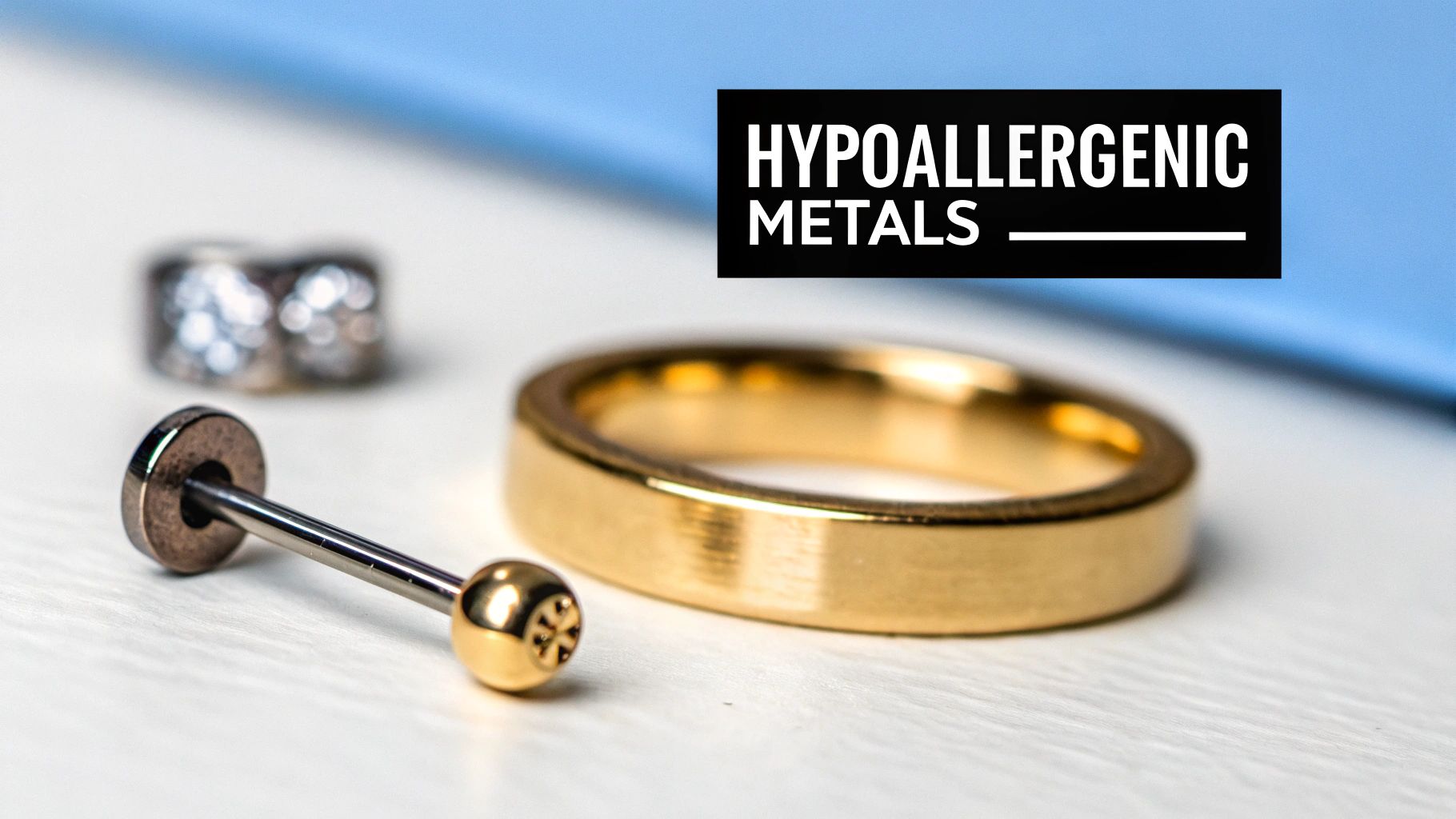
Alright, let's meet the champions of the piercing world. When your skin is prone to throwing a fit, these are the materials you can count on to keep everything calm, cool, and collected. Think of this as your ultimate guide to the best body jewelry for sensitive skin, so you can shop with total confidence.
We're going to get into why these metals are your piercing's best friends. Understanding what sets them apart will make you a pro at picking out pieces that not only look amazing but feel even better.
The Undisputed King: Implant-Grade Titanium
If hypoallergenic metals were royalty, implant-grade titanium (ASTM F-136) would be sitting on the throne. This isn't just any old titanium; it's a specific grade certified by the American Society for Testing and Materials to be safe for long-term implantation in the human body. That’s right—it’s the same stuff used for surgical implants like joint replacements.
So, why is it the best of the best?
- Completely Nickel-Free: This is the big one. Since nickel is the #1 culprit behind most skin reactions, a 100% nickel-free material is your absolute safest bet.
- Lightweight Comfort: Titanium is incredibly light, which means less stress and pressure on your piercing, especially when it's fresh and still healing.
- Corrosion-Resistant: It won't tarnish or break down when exposed to your body's natural fluids, ensuring it stays pure and non-irritating forever.
For a brand-new piercing or for anyone with a known metal allergy, implant-grade titanium is the absolute gold standard. There's a reason professional piercers trust it for initial piercings. To get the full scoop, check out our deep dive into all the need-to-know facts about titanium body jewelry.
The Classic Choice: 14k and 18k Solid Gold
Who doesn't love a touch of luxury? When it comes to body jewelry, 14k or 18k solid gold is a beautiful and safe option for sensitive skin—but there's one very important rule: it must be solid gold, never plated.
Gold-plated jewelry is just a super-thin layer of gold over a base metal, which is often a nickel alloy. That plating can eventually wear off, exposing your skin to the irritating metal underneath. Solid gold, on the other hand, is the real deal through and through.
The karat number (like 14k or 18k) tells you how much pure gold is in the alloy. Higher karats are generally safer because they contain less of other metals.
The Colorful Contender: Niobium
Think of Niobium as titanium's cool, artsy cousin. It’s another elemental metal that is highly biocompatible and completely nickel-free, making it an excellent choice for anyone with extreme sensitivities.
What really makes niobium stand out is its ability to be anodized into a whole rainbow of vibrant, iridescent colors without using any dyes or plating. This process creates a stable, hypoallergenic oxide layer on the surface, so you can rock bold colors without ever worrying about irritation.
The Budget-Friendly Option: 316L Surgical Steel
You’ll see 316L surgical steel everywhere, and for many people with healed piercings, it’s a perfectly fine and affordable option. It's important to know, however, that most surgical steel contains a small amount of nickel.
While it's trapped within the alloy and unlikely to cause a reaction in most people, it can still be a problem if you're highly sensitive.
Think of it as the "proceed with caution" choice. If you have a known nickel allergy or are dealing with a fussy piercing, it's best to stick with titanium or niobium to be safe.
Shop Bodycandy’s Top Picks for Sensitive Skin
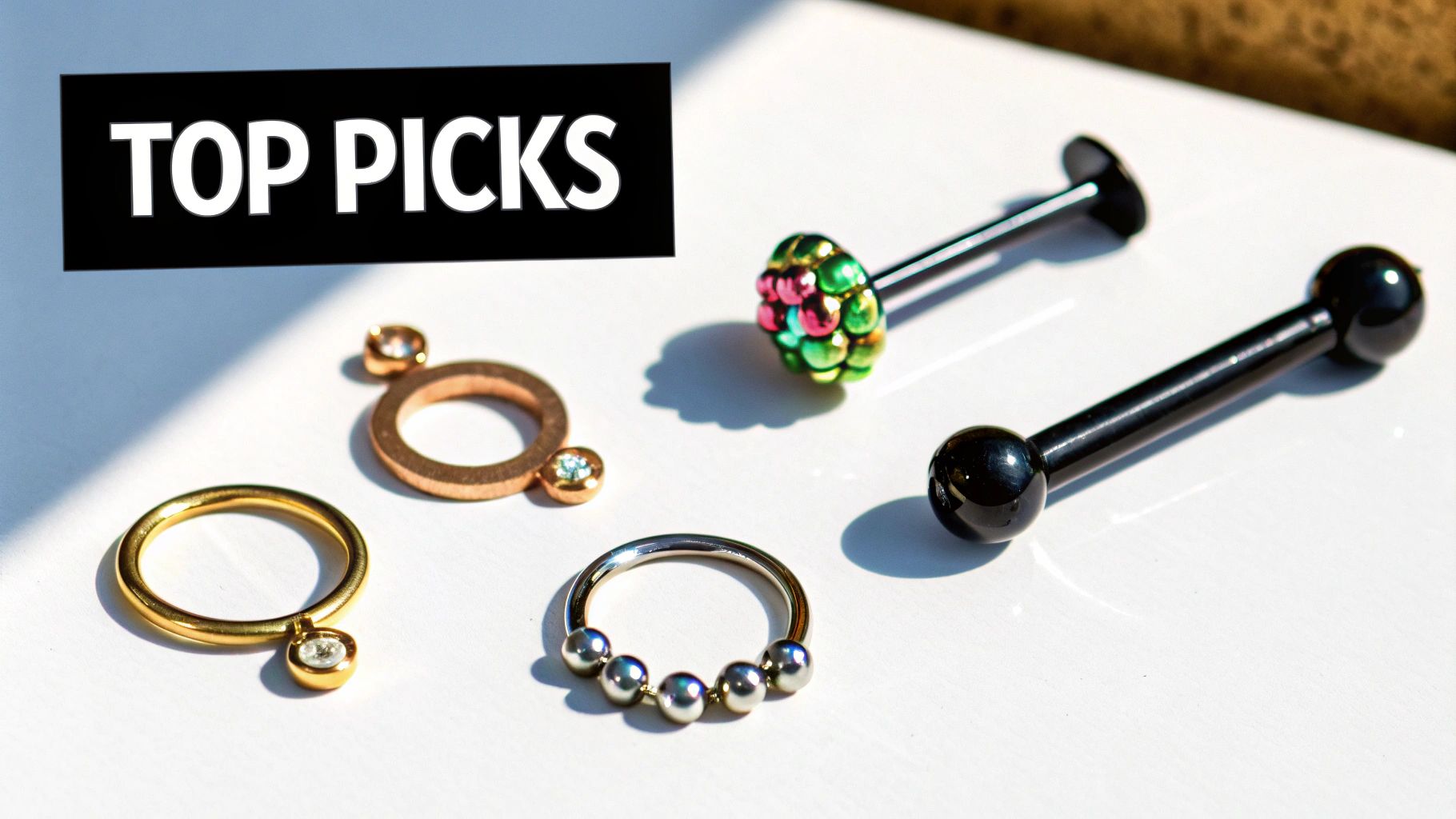
Alright, now for the fun part—shopping! Just because you know which materials are safe doesn't mean you have to sacrifice your personal style. At Bodycandy, we’ve got you covered with tons of stunning, skin-friendly options that let you express yourself without worrying about an angry piercing.
You don't have to spend hours hunting for the good stuff. We’ve already curated our top collections to make finding your next favorite piece of body jewelry for sensitive skin a total breeze. Ready to find a piece your skin will love as much as you do?
Titanium Treasures: The Ultimate Safe Bet
When you need a guarantee of comfort and style, our implant-grade titanium collection is where it’s at. This is the top-tier, piercer-recommended material that’s perfect for fresh piercings, easily irritated skin, or anyone who just wants the absolute best.
But safe doesn't have to mean boring! Check out our anodized titanium pieces for a pop of vibrant, permanent color that's created without any dyes or sketchy coatings. Think electric blues, purples, and rainbows—all completely hypoallergenic.
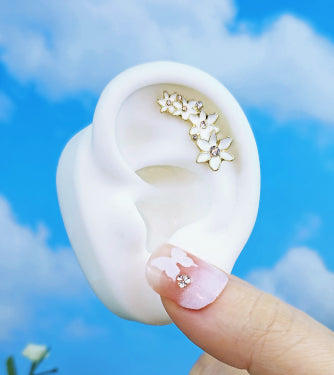
- For Lip & Cartilage Piercings: Our implant-grade titanium labret studs are a must-have. Their flat-back design offers a comfortable, snag-free fit that’s ideal for all-day wear.
- For Eyebrow & Belly Piercings: Explore our collection of titanium curved barbells for a secure and lightweight option that moves with you.
Luxurious and Luminous: 14k Solid Gold
Ready to add a touch of timeless elegance to your look? Our 14k solid gold body jewelry collection is pure luxury that your skin will adore. We're talking real-deal, solid gold—never plated—to ensure you get that beautiful shine without any hidden nickel.
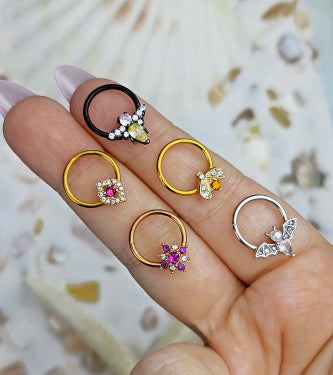
This is the perfect choice for showing off a healed piercing you’re proud of. From delicate nose hoops to dazzling belly rings, our gold pieces are crafted to be both beautiful and biocompatible. It’s an investment in style and comfort that you’ll cherish for years.
Reliable and Radiant: 316L Surgical Steel
For a budget-friendly option that's a reliable workhorse for fully healed piercings, look no further than our massive 316L surgical steel collection. While it’s not for the super-sensitive or freshly pierced, it’s a durable and classic choice for many.
The demand for high-quality, hypoallergenic metals is no joke. Industry insights show that around 36% of consumers are worried about allergic reactions when shopping for jewelry. This concern is why brands are focusing more on providing safe, skin-friendly options that you can trust. You can read more about body jewelry market trends and see why materials matter so much to buyers like you.
No matter your style or piercing, Bodycandy has the perfect piece to keep you looking and feeling amazing.
How to Care for Your Piercings and Jewelry
Picking out the perfect piece of jewelry is the first major win for your sensitive skin, but the game isn't over yet! Think of it like this: you just brought home a beautiful new plant (your piercing). Choosing the right pot (hypoallergenic jewelry) was essential, but now you need to water it and give it sunshine. Consistent, gentle care is what will make your piercing thrive for years to come.
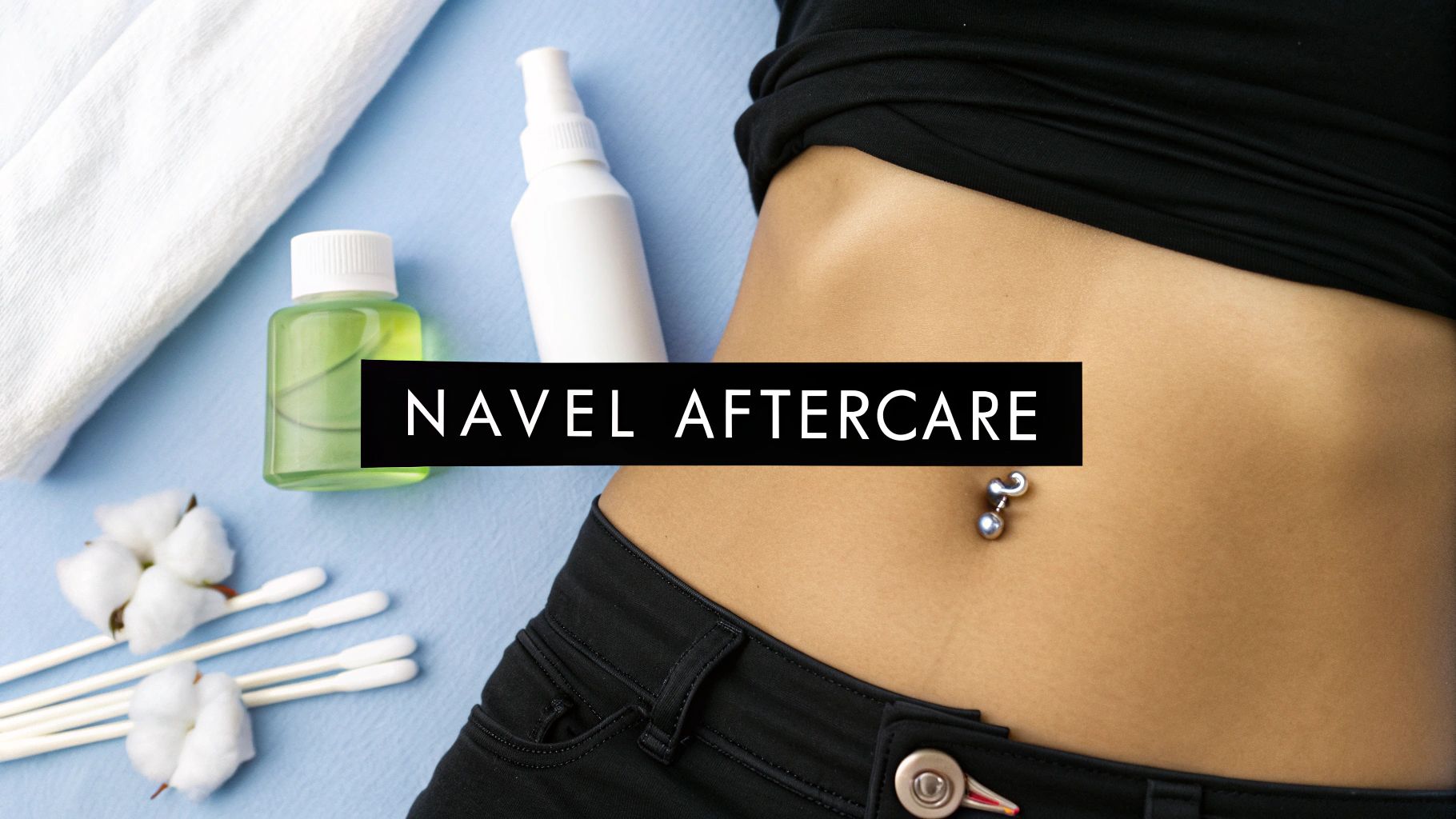
Proper cleaning is non-negotiable, especially for new piercings, but it's also key for keeping healed ones healthy. The golden rule here is to be gentle. Your body is already doing the hard work of healing, and your job is just to support it by keeping the area clean without causing more irritation.
That means you'll want to avoid harsh chemicals like alcohol or hydrogen peroxide. They can seriously dry out your skin and actually slow down the healing process.
Your Daily Cleaning Ritual
For new or fussy piercings, a simple sterile saline solution is your absolute best friend. It’s gentle, effective, and mimics your body's natural fluids, making it the ideal cleanser.
You only need to clean your piercing two to three times a day. It might be tempting to clean more, but over-cleaning can be just as irritating as not cleaning at all!
For a deeper dive into piercing aftercare, including the benefits of specific products, you should check out our complete guide to H2Ocean aftercare products. It’s packed with tips to keep your healing process right on track.
Remember: A happy piercing is a clean piercing. But "clean" means gentle and consistent, not scrubbing it with harsh chemicals. Less is often more when it comes to aftercare.
Keeping Your Jewelry Sparkling and Safe
Once your piercing is all healed up, you still need to show your jewelry some love. This keeps it looking its best and prevents any gunk buildup that could cause irritation later on. Different materials need slightly different care, but it's all pretty straightforward.
Here’s a quick guide to cleaning your favorite hypoallergenic pieces:
- Titanium & Niobium: These metals are super low-maintenance. A simple wash with mild, fragrance-free soap and warm water is all you need to restore their shine. Just be sure to rinse thoroughly to get rid of any soap residue.
- Solid Gold: Gold is a soft metal, so you'll want to be gentle. Clean it with a soft cloth and a solution of warm water and a few drops of mild soap. Stay away from abrasive cleaners or brushes that could scratch the surface.
- Surgical Steel: This durable metal can also be cleaned with mild soap and water. Since it’s less prone to scratching than gold, you can use a soft-bristled brush for any stubborn grime that's built up.
By following these simple steps, you're not just cleaning your jewelry—you're creating a long-term care plan. This ensures your piercings stay comfortable, healthy, and looking absolutely amazing for years.
Your Piercing Questions, Answered!
We’ve covered a lot of ground, but you might still have a few questions rolling around in your head. That's totally normal! Figuring out the world of body jewelry, especially with sensitive skin, can sometimes feel like a pop quiz you didn't get to study for.
Don't sweat it, we've got the cheat sheet right here. We've rounded up the most common questions we get from piercing lovers just like you. Let's clear up any confusion so you can feel 100% confident in your jewelry choices.
Is Surgical Steel Always Safe for Sensitive Skin?
This is probably one of the biggest myths out there, so let's set the record straight: not always. While 316L surgical steel is a solid, budget-friendly choice for a lot of people with fully healed piercings, it's not a guaranteed safe bet for everyone.
The key thing to remember is that surgical steel is an alloy, which means it contains a small amount of nickel. For most people, that nickel is locked so tightly into the metal that it never causes a problem. But if you have a known nickel allergy or just super reactive skin, even that tiny bit can be enough to trigger an itchy, red reaction.
The Bottom Line: For brand-new piercings or if you already know you're extra sensitive, it's always smarter to play it safe. Stick with materials that are 100% nickel-free, like implant-grade titanium, niobium, or 14k+ solid gold.
Can I Be Allergic to Gold Body Jewelry?
It's incredibly rare for someone to have a true allergy to pure gold itself. When people react to gold jewelry, they're almost always reacting to the other metals mixed into the alloy—and the number one culprit is, you guessed it, nickel.
This is exactly why the karat number is so important.
- 14k and 18k Solid Gold: These are generally considered the gold standard (pun intended!) for sensitive skin. They contain a high percentage of pure gold, and the other metals used in the alloy are typically biocompatible and safe.
- Lower-Karat Gold (like 10k): This has less pure gold and a higher percentage of other metals, which definitely increases the risk of a reaction.
- Gold-Plated Jewelry: This is a huge no-go for sensitive skin. That thin gold layer can wear away in no time, exposing your skin to whatever mystery base metal is hiding underneath, which is often a cheap, nickel-heavy alloy.
To keep your piercings happy and healthy, always choose 14k or higher solid gold. It's a gorgeous and reliable option that your skin will thank you for.
Is It an Allergy or Just Normal Piercing Irritation?
Okay, this is a tricky one because the initial signs can look pretty similar. But there are some key differences to watch out for. Think of it like your body whispering versus your body screaming.
Normal healing irritation is your body's whisper. It usually involves:
- Mild redness and swelling right around the piercing itself.
- Some tenderness when you touch it.
- A clear or whitish fluid seeping out (don't panic, this is just lymph fluid, a normal part of healing).
An allergic reaction, on the other hand, is your body screaming for help. The symptoms are way more intense and just won't quit. Be on the lookout for:
- Severe, unrelenting itching that makes you want to climb the walls.
- A red rash that starts to spread out from the piercing site.
- Blistering, oozing, or crusting that isn't clear or whitish.
- Swelling that just keeps getting worse after the first couple of days.
If your symptoms are getting worse instead of better and your daily saline soaks aren't making a dent, you're most likely dealing with an allergy. The best thing to do is swap the jewelry for an implant-grade titanium stud and go see your professional piercer for advice.
What About Materials Like Bioplast or Acrylic?
Metal-free options like Bioplast, BioFlex, or acrylic can seem like a perfect solution, and they definitely have their place. They're super lightweight and flexible, which can be awesome for things like pregnancy belly rings or as temporary retainers for an MRI or surgery.
But these materials come with a major catch: they are porous. Think of the difference between a glass plate and a wooden cutting board. The glass is non-porous and super easy to sterilize completely. The wood, however, has microscopic pores where bacteria can set up camp.
Because Bioplast and acrylic can harbor more bacteria, they demand extremely diligent cleaning. They're generally not recommended for new or still-healing piercings because they can complicate the healing process. It's best to save them for short-term wear in fully healed piercings only.
Ready to find the perfect piece that your skin will absolutely love? BodyCandy has a massive collection of implant-grade titanium, 14k solid gold, and other hypoallergenic options waiting for you.
Shop our full collection of skin-friendly body jewelry today!