



















Congratulations on that cool new piercing you just got! If this is your first, you may be making some common mistakes that could turn it into that cool piercing you used to have. Don’t fear though, we’re here to tell you about some common mistakes people make with fresh piercings and how to fix your aftercare game so you can love that piercing for as long as you like.
1. Playing With It
This is a huge no-no for multiple reasons. A piercing is an open wound. Touching a healing piercing is a great way to introduce bacteria that could result in a nasty infection. Nobody wants that. Also, moving the jewelry around can disturb the delicate cells forming inside the fistula, which can delay the healing process. The only time you should touch your jewelry (with CLEAN hands) is while you’re cleaning it. Otherwise, let your motto be “LITHA”, an easy-to-recall acronym for “Leave It The Hell Alone”.

2. Overcleaning/Undercleaning
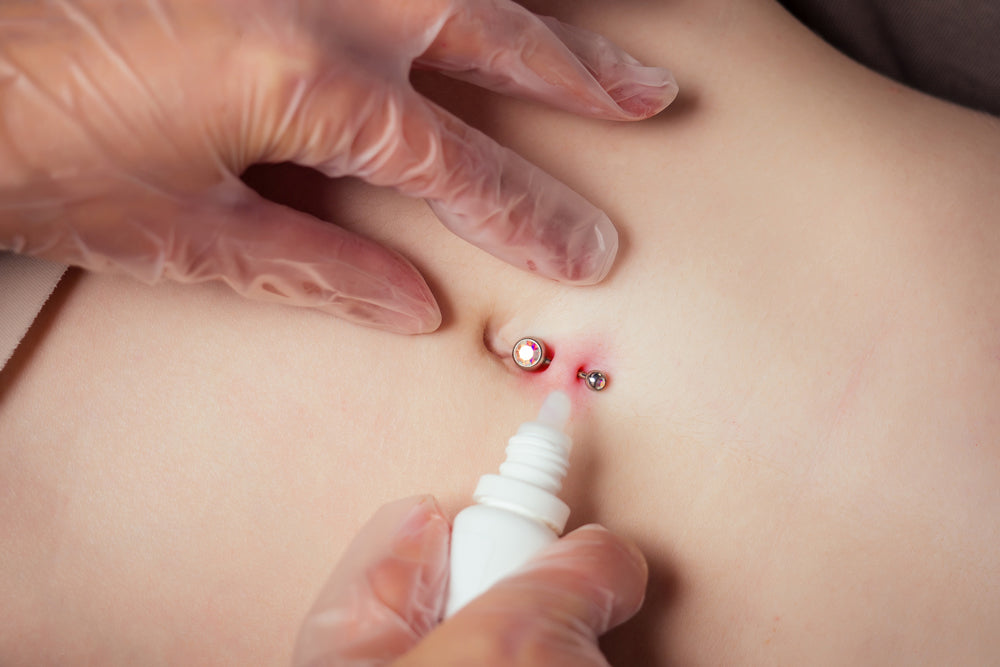
You need to strike the right balance for proper aftercare. Too much cleaning can dry out the skin and lead to irritation while not cleaning the piercing enough leads to a buildup of gunk and can also lead to infection. Clean it twice a day, once in the morning and once in the evening, and you’ll be good to go. You can grab our gentle aftercare spray here
3. Harsh Products
There’s a lot of stuff that gets recommended for cleaning piercings but almost none of it should actually be used. Antibacterial soap, tea tree oil, homemade salt soaks, alcohol, hydrogen peroxide, benzalkonium chloride, antibiotic ointment…. These have no place on your piercing. The best possible aftercare product you can use is sterile saline wound wash spray. Oral piercings require cleaning with alcohol-free mouthwash as well, your piercer should be able to recommend a good one. All of the other products mentioned are entirely inappropriate for a healing piercing. They can have effects ranging from dryness and irritation to burning your skin to providing a warm, wet home for bacteria to grow in. Avoid all of them.

4. Sleeping On It
This can put pressure on your piercing which can lead to irritation bumps or even potentially starting the migration or rejection process. If your piercing is on whatever side you generally sleep on, it’s best to use a traveler’s neck pillow and put your piercing right in the hole at the center. You’ll sleep better knowing your piercing is safe from trauma and irritation.
5. Jewelry Changes
Changing the jewelry too soon is a recipe for disaster. Once again, the movement of the jewelry can disturb the fragile cells forming in the fistula, causing a delay in the healing process. On the other hand, not having your jewelry downsized when the piercer said to, is also an issue. This is because you now have overly long jewelry in your piercing that is no longer required to accommodate swelling. When your jewelry sticks out like that, it’s far more vulnerable to getting snagged on things which can result in actual injury. Don’t change your jewelry until your piercing is fully healed and don’t forget to go back for that downsize!
6. Wearing The Wrong Jewelry
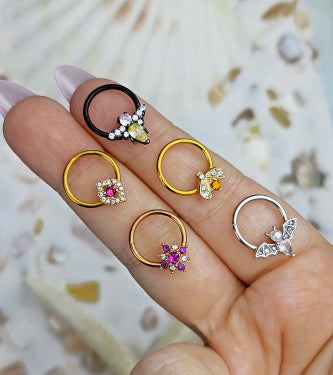
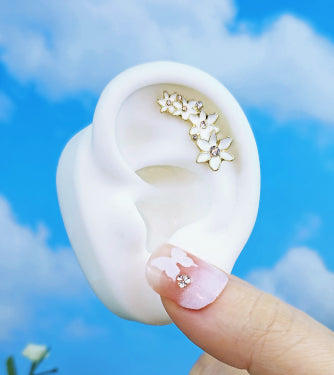
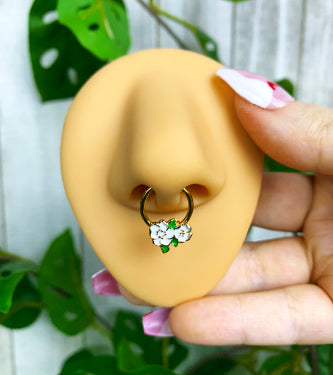
Jewelry that is the wrong size, the wrong style, or of poor quality can all cause your piercing to become a problem. Poor quality materials can cause allergies or irritation. Jewelry that is the wrong size or style can lead to migration or rejection. This is an easy fix – just change your jewelry! Make sure it’s the correct size and style for your piercing and remember that ASTM F-136 titanium and high-quality stainless steel are affordable and biocompatible.

7. Ignoring Red Flags
Ignoring a problem doesn’t make it go away. When you see a picture on social media of someone else’s piercing tragedy and wonder “How did they let it get that bad??” it’s usually because they ignored it. If you are having unusual swelling, redness, bumps, discharge, or anything that is NOT normal, go see your piercer! That’s what they’re there for so don’t be afraid to utilize their expertise. (Unless you have symptoms of infection, in which case go see a doctor. Please don’t wait if you need medical attention.)
Bonus Tip: Trust The Process
Healing takes time and it is not necessarily linear! Most piercings aren't fully healed for several months, even if they “look fine.” Be patient, consistent, and when in doubt, consult your piercer… not TikTok.
We all make mistakes, sometimes without even realizing it. The most modified people still had to start somewhere and still had to learn. And learning is a lifelong thing because every new piercing teaches you something different. But with this post, you can avoid some of the most common mistakes people make and care for your new addition with confidence. Happy piercing!